Portugal and Italy Refuse Biometric Exemptions for UK Travelers Amid Queue Chaos
Portugal and Italy will not waive EU biometric checks for British travelers, even as long queues cause missed flights and airlines cut schedules.
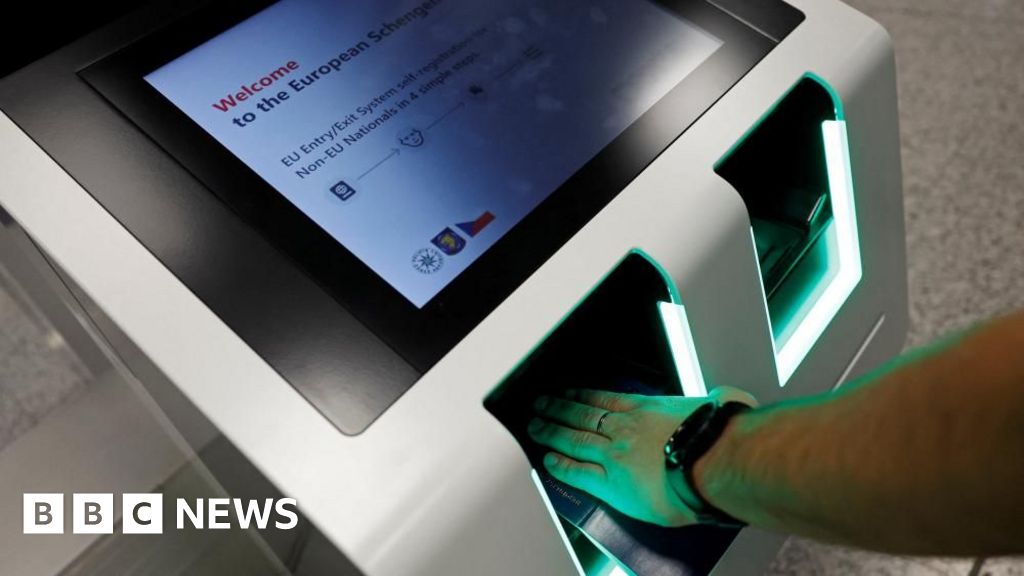
A man's hand holds his passport face down in a machine with a screen that says "Welcome to the European Union".
TL;DR
Portugal and Italy will not exempt British nationals from the EU’s Entry‑Exit System biometric checks, despite recent queue disruptions that left over 100 EasyJet passengers stranded.
Context The European Union’s Entry‑Exit System (EES) requires short‑term visitors from outside the EU and European Economic Area to submit fingerprint and facial data at each border crossing. Launched in October 2023 and slated for full operation on 10 April, the system aims to tighten security and improve migration tracking across the Schengen zone. Early implementation has produced long passport queues at several airports, prompting speculation that some member states might temporarily suspend checks for British travelers.
Key Facts - Portugal and Italy have confirmed they will not grant any nationality a blanket exemption from EES biometric checks. The European Commission reiterated that exemptions may only be applied briefly at specific crossings in exceptional circumstances, not as a permanent measure for a particular country. - Last month, more than 100 EasyJet passengers missed a Milan Linate to Manchester flight after being held up in what the airline called “unacceptable” passport queues. Ryanair reported similar missed departures from Milan Bergamo to Manchester due to the same bottleneck. - Airlines worldwide reduced schedules by 13,000 flights in May, roughly 1 % of total May flights, as they grapple with soaring jet‑fuel costs and supply concerns ahead of the summer travel surge.
What It Means Travelers from the United Kingdom should expect the same biometric screening requirements in Portugal and Italy as in other EU states, with no special relief forthcoming. The decision underscores the EU’s commitment to uniform border security despite operational hiccups that have already caused flight delays and missed connections. Airlines, already trimming capacity to manage fuel price volatility, may face additional pressure if queue lengths grow during the peak holiday period.
Passengers are advised to arrive well ahead of departure times, allow extra time for passport processing, and monitor airline communications for any schedule adjustments. As the summer travel season approaches, the interaction between strict border controls and airline capacity constraints will be a key factor in on‑time performance across Europe.
Looking ahead, watch for updates from the European Commission on any temporary procedural tweaks and for airline announcements on further schedule changes as fuel markets evolve.
Continue reading
More in this thread
Conversation
Reader notes
Loading comments...