Pope Leo XIV Warns AI Amplifies Elite Power, Calls for Justice‑Driven Standards
Pope Leo XIV’s encyclical Magnifica Humanitas argues AI is not morally neutral, warns it amplifies elite power, and calls for justice‑driven standards to protect human dignity and the common good.
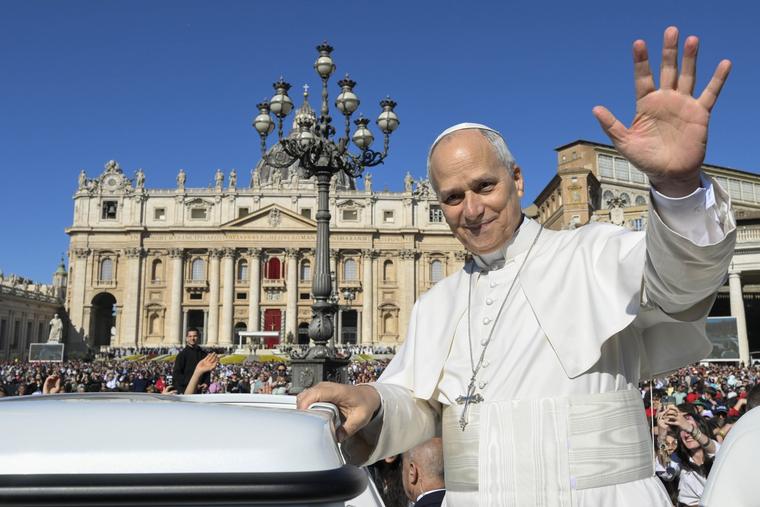
TL;DR: Pope Leo XIV’s encyclical *Magnifica Humanitas* declares artificial intelligence is not morally neutral and warns that it amplifies the power of those already wealthy, urging justice‑based standards for its design and use.
Context
Published Monday, *Magnifica Humanitas* is the first encyclical of Pope Leo XIV. The text runs 245 paragraphs divided into an introduction and five chapters. It applies Catholic Social Doctrine to the challenges posed by artificial intelligence, touching on education, work, the economy, and human dignity. The document builds on earlier papal teachings, referencing Pope Francis’ concept of the technocratic paradigm and drawing on thinkers such as St. Augustine, Hannah Arendt, and J.R.R. Tolkien.
Key Facts
The pope states that AI’s moral value depends on both how it is used and how it is designed. He warns that humanity is entering a violent culture of power, where technology reinforces existing inequalities. The encyclical proposes shared standards of social justice as criteria to judge whether AI serves the common good or subjugates it. Leo also notes that a more moral AI is insufficient if its morality is determined by a few, emphasizing that AI tends to amplify the power of those with economic resources, expertise, and access to data.
What It Means
By linking AI development to principles such as dignity, solidarity, and subsidiarity, the pope frames the debate as a moral choice rather than a technical one. He calls on developers, policymakers, and citizens to shape technology so it protects human relationships instead of optimizing them for efficiency alone. The encyclical uses biblical images—comparing the Tower of Babel with Nehemiah’s rebuilding of Jerusalem—to illustrate the choice between a technocratic vision that dominates and a communal vision that fosters peace. Leo invokes St. Augustine’s idea of two loves building two cities, suggesting that the same tension plays out in today’s hearts regarding technology.
Looking ahead, observers will watch how governments and tech firms respond to the call for justice‑driven AI standards and whether the encyclical influences upcoming regulatory debates.
Continue reading
More in this thread
Trump Administration Requests Nearly $1 Billion for White House Ballroom Security Upgrade
Nadia Okafor
Vietnamese Embassy in Thailand Hosts Art Exchange for 50‑Year Diplomatic Milestone
Nadia Okafor
FRSC Cites Route Violation by Fuel‑Loaded Trailer in Fatal Gombe Highway Crash
Nadia Okafor
Conversation
Reader notes
Loading comments...