Physicians Warn Nigerians to Avoid Bush Meat Amid Ebola Surge
Physicians advise Nigerians to avoid bush meat as Ebola cases rise in DRC and Uganda, citing zoonotic transmission risks and urging heightened surveillance.
TL;DR
Physicians advise Nigerians to refrain from bush meat consumption as Ebola cases climb in the Democratic Republic of Congo and Uganda, citing zoonotic transmission risks.
Context The World Health Organization reported eight laboratory‑confirmed Ebola cases, 246 suspected cases and 80 suspected deaths in Ituri Province, eastern Congo. Two imported cases, one fatal, were identified in Kampala, Uganda, linked to travel from Congo. Although Nigeria has recorded no confirmed cases, the Nigeria Centre for Disease Control says surveillance has been heightened nationwide.
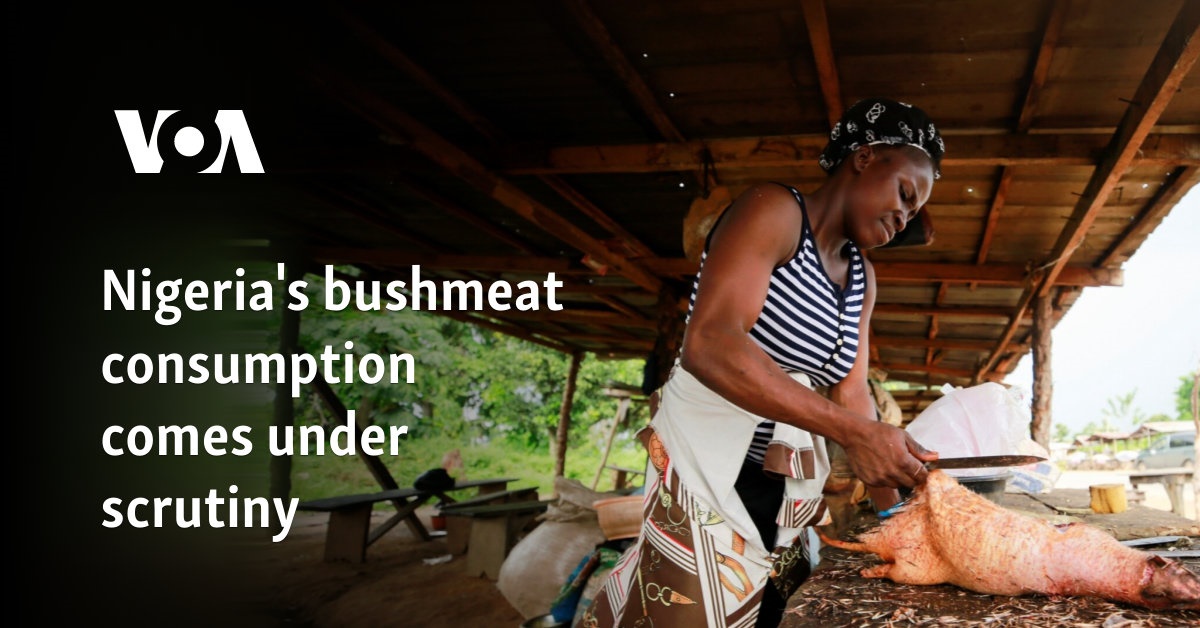
Key Facts Professor Tanimola Akande of the University of Ilorin explained that Ebola is a zoonotic virus that can jump to humans through handling or eating infected wildlife such as bats, monkeys and gorillas. He noted that hunting, butchering and selling bush meat create additional exposure routes beyond consumption. No randomized controlled trials exist for ethical reasons; outbreak investigations (cohort studies) have repeatedly linked bush meat handling to primary spillover events, with sample sizes ranging from dozens to over a hundred exposed individuals in past outbreaks. These studies show association, not proven causation, but the biological plausibility is strong. Akande urged Nigerians to stop bush meat during outbreaks, use protective gear when handling animal carcasses, and report early symptoms like fever, headache, muscle pain and unexplained bleeding.
What It Means For the average Nigerian, avoiding bush meat reduces a plausible pathway for Ebola introduction, especially given increased regional travel. Practical steps include sourcing meat from licensed vendors, cooking all animal products thoroughly, and practicing hand hygiene after any contact with wild animals. Public health officials recommend staying alert to official alerts and seeking care promptly for suggestive symptoms.
Watch for updates on case numbers in DRC and Uganda, any cross‑border alerts, and potential changes in Nigeria’s travel‑related screening protocols.
Continue reading
More in this thread
Nurses Warn of Rising Child Mental Health ER Visits and Tripled Wait Times
Dr. Priya Sharma
Surgeons Warn AI‑Generated ‘Perfect Face’ Images Fuel Unrealistic Cosmetic Surgery Demand
Dr. Priya Sharma
Trump Administration Pauses Refugee Returns Amid DRC Ebola Outbreak, Leaving Detained Woman in Limbo
Dr. Priya Sharma
Conversation
Reader notes
Loading comments...