Philly Writers Confirm $20 Cocktails Drive F1 Arcade Revenue
A year after opening, writers reveal Philadelphia's F1 Arcade thrives on $20 cocktails, with racing simulators playing a secondary role in its business model.
TL;DR
After a year-long delay, local writers visited the Philadelphia F1 Arcade, observing that $20 cocktails likely drive significant revenue, with simulator racing serving as a secondary attraction.
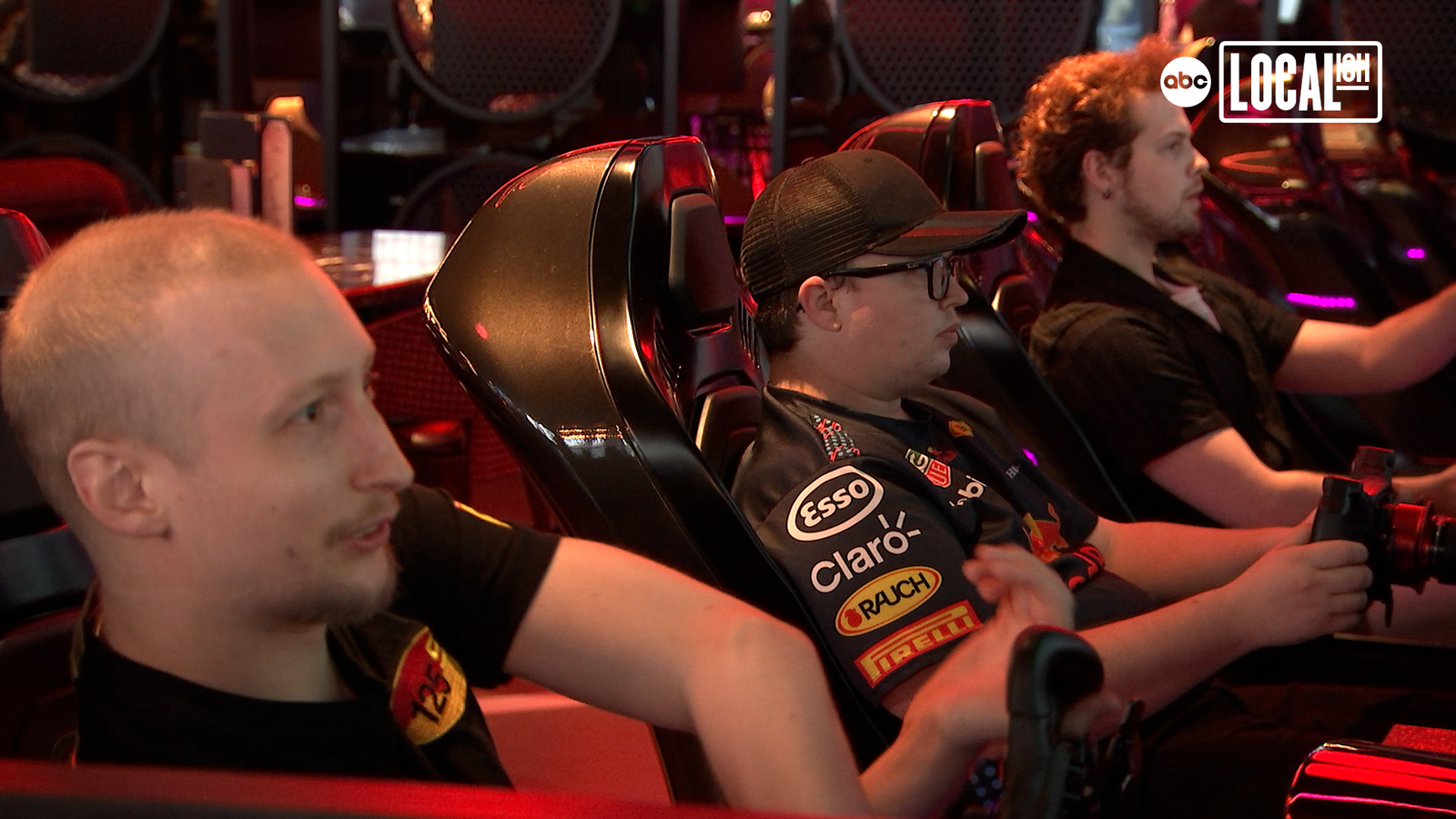
Local writers recently concluded a long-awaited visit to the Formula 1 Arcade in Philadelphia, approximately one year after its official opening. This establishment, integrating F1 racing simulators with a bar and social lounge, offers an immersive entertainment experience. The delayed visit provided direct insight into the venue's operational strategies.
Initial outlooks on the arcade's longevity were mixed. One writer, Kathryn Xu, expressed considerable skepticism, stating she was certain the F1 Arcade would fail and close before a visit could materialize. However, the venue has maintained continuous operation for a full year, defying early predictions.
During their recent visit, another writer, Luis Paez-Pumar, offered an assessment of the arcade's financial drivers. Paez-Pumar concluded that the F1 Arcade likely earns the majority of its income from its beverage sales. He specifically identified $20 cocktails as a primary revenue generator for the establishment.
This observation positions the simulator racing, central to the F1 theme, as a secondary attraction within this financial framework. The venue combines dozens of simulators with large display screens and a distinct bar area, designed to accommodate both active participation and social interaction. Its environment, characterized by dark lighting and neon accents, caters to a broad clientele.
This revenue model exemplifies a common business strategy for experiential entertainment venues. It emphasizes how high-margin food and beverage sales can effectively supplement income from core activities like simulator rentals. For the F1 brand, this extends its reach into a social gathering space, moving beyond a sole focus on racing simulation. This diversified approach likely contributes to the venue's continued viability. What to watch next is how other F1-themed entertainment centers adapt their business models to maximize revenue from both activities and hospitality.
Continue reading
More in this thread
Oregon Coach Lanning Praises Transfer Hooks’ Tez‑Like Slot Skills as Ducks Add Versatile Lineman Bennett
Marcus Cole
Oregon Coach Dan Lanning Compares Transfer Iverson Hooks to Tez Johnson
Marcus Cole
Gabriel Araujo Wins 2026 Laureus Disability Sportsperson Award, Marking Sixth Para Swimming Honor
Marcus Cole
Conversation
Reader notes
Loading comments...