Philippine central bank raises rates to 4.5% as Middle East war fuels inflation breach
The Bangko Sentral ng Pilipinas raised its benchmark interest rate to 4.5% on April 23, driven by worsening inflation outlook linked to the Middle East conflict, ending a multi-year easing cycle.
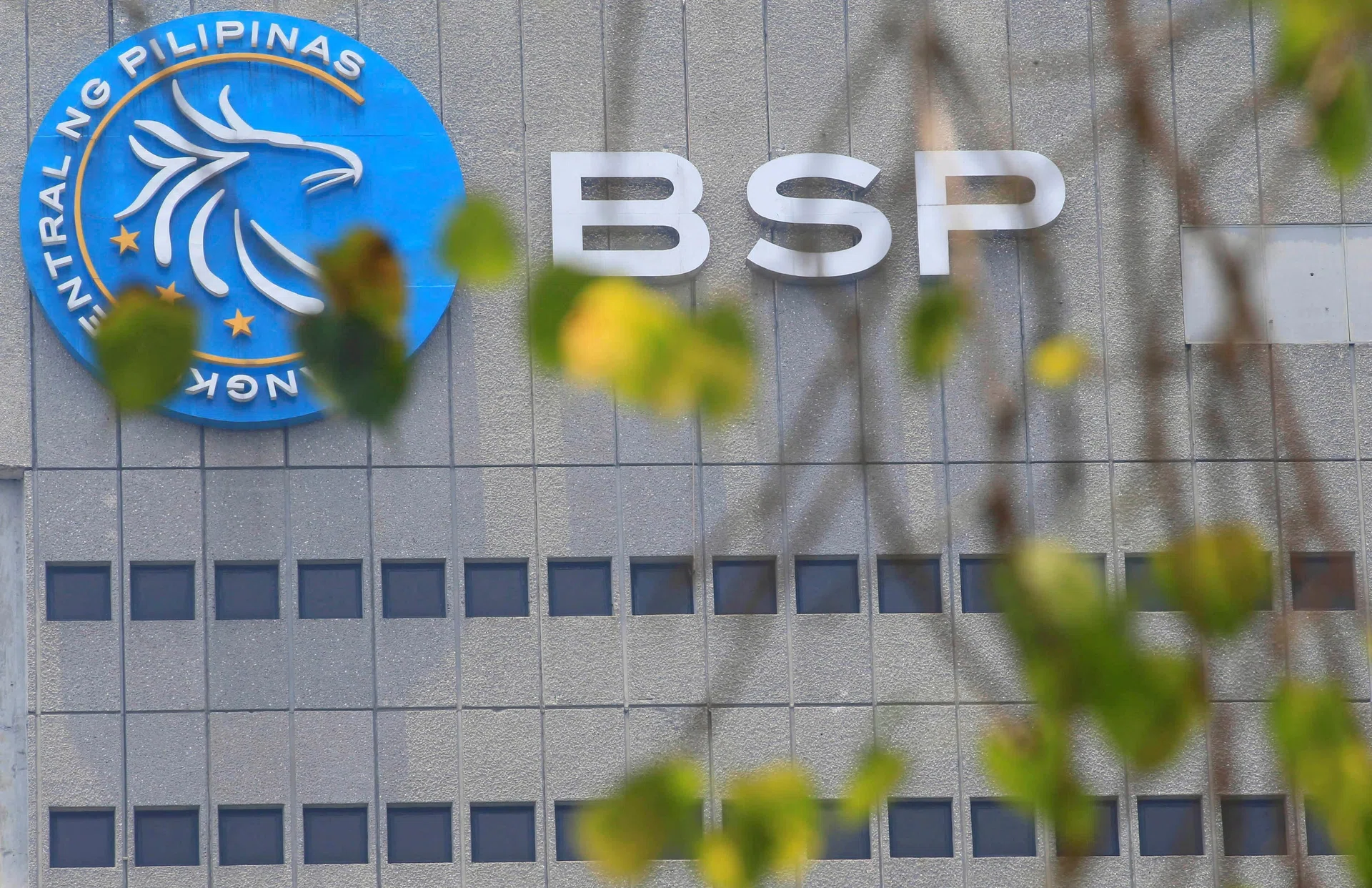
“The inflation outlook has deteriorated amid the ongoing conflict in the Middle East,” the Bangko Sentral ng Pilipinas said.
TL;DR
The Philippine central bank hiked its benchmark interest rate to 4.5% on April 23, marking an abrupt policy shift driven by escalating inflation concerns fueled by the Middle East conflict. This action concludes an easing cycle that began in August 2024.
Context The Bangko Sentral ng Pilipinas (BSP) increased its benchmark interest rate by 0.25 percentage points, raising it to 4.5% on April 23. This marks the central bank's first rate hike in over two years, signaling a significant pivot in monetary policy. The decision directly addresses a worsening inflation outlook, which the BSP attributed to the ongoing Middle East conflict. As a nation heavily reliant on imported oil, the Philippines faces immediate economic pressure from rising global energy prices.
This action officially concludes a period of accommodative monetary policy, specifically ending an easing cycle that had been in effect since August 2024. Increases in global energy prices, particularly for crude oil and agricultural fertilizers, directly translate into higher domestic costs for fuel, transport, and food, impacting household purchasing power across the archipelago.
Key Facts The BSP explicitly stated that the inflation outlook has deteriorated amid the Middle East conflict. The central bank emphasized the necessity of timely and preemptive policy action to safeguard price stability. Philippine inflation already accelerated in March, reaching its fastest pace in nearly two years and breaching the central bank’s target range of 2 to 4 percent.
Following the rate announcement, the Philippine peso experienced a slight depreciation, trading 0.5 percent lower against the US dollar at 60.40. Meanwhile, the main Philippine stock index registered a steady performance. The central bank's updated projections suggest that average headline inflation is expected to exceed the 2-to-4 percent target for both 2026 and 2027, indicating persistent inflationary pressures beyond the immediate term.
What It Means This recent policy tightening positions the Philippines as one of the initial Asian economies to move towards higher interest rates in response to escalating global inflationary pressures. The BSP’s rate hike intends to anchor inflation expectations—meaning, to prevent consumers and businesses from expecting even higher prices in the future—and to contain the buildup of what are known as second-round effects, where initial price increases spread throughout the economy. Despite this hawkish shift, the central bank stated that a measured increase in the policy rate will still accommodate economic recovery over the medium term. This indicates a careful balancing act between controlling inflation and fostering sustainable growth.
Regional central banks, particularly those in Southeast Asia, will now observe the Philippine experience. Market participants will closely monitor the BSP's future communications and subsequent inflation reports for any indications of further monetary policy adjustments or shifts in the economic outlook.
Continue reading
More in this thread
Norway Secures Top Spot in Global Prosperity 2026, Ireland and Luxembourg Close Behind
David Amara
Portugal’s Crypto Regulation Tightens, Creating Grey Area for ETH Gambling Platforms
David Amara
Portugal Shifts from Crypto Tax Haven to Regulated Market as ETH Betting Gains Speed
David Amara
Conversation
Reader notes
Loading comments...