PepsiCo Secures 10‑Year Wind Power Deal to Cut 32,000 Tons CO₂ Annually
PepsiCo's 10‑year virtual power purchase agreement with Statkraft will deliver Spanish wind power and reduce emissions by 32,000 metric tons annually.
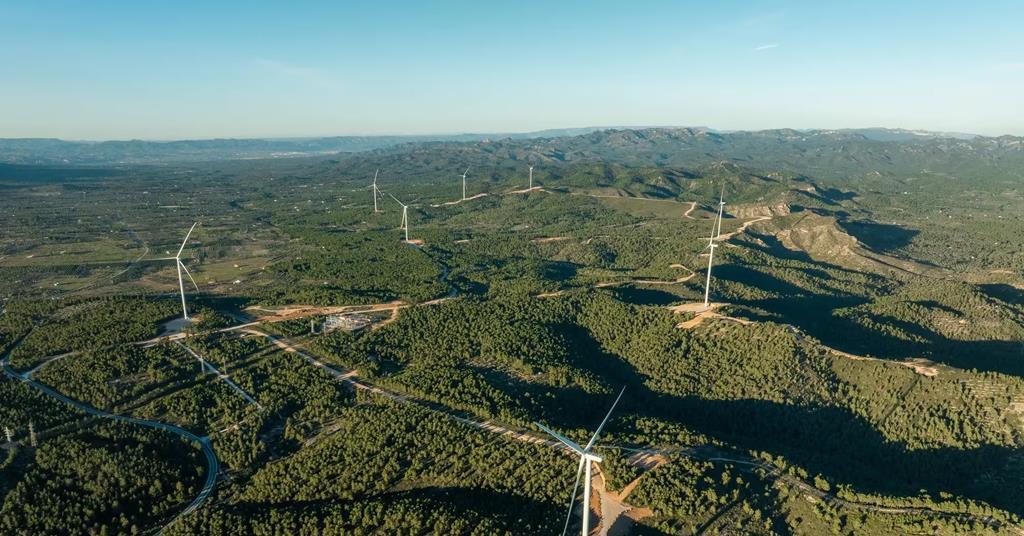
*TL;DR PepsiCo has locked in a decade‑long virtual power purchase agreement with Statkraft, delivering Spanish wind electricity that will cut 32,000 metric tons of CO₂ annually across its European operations and supply chain.
Context The food and beverage giant announced the deal on Tuesday as part of its broader “pep+ Renew” program, which partners with suppliers to shift to renewable electricity. The agreement follows a 2022 initiative with Schneider Electric that aims to help manufacturers, bottlers and ingredient providers secure long‑term clean energy.
Key Facts - PepsiCo, along with ingredient maker Givaudan and packaging firm Smurfit Westrock, signed a 10‑year virtual power purchase agreement (VPPA) with Statkraft, a leading clean‑energy producer. A VPPA is a contract that guarantees the buyer a set amount of renewable electricity without taking physical delivery; the power is fed into the grid while the buyer receives renewable energy credits. - The wind project in Spain is being upgraded with higher‑efficiency turbines, boosting its output. The electricity generated under the VPPA will be counted toward PepsiCo’s European energy use and that of its two partners. - The agreement is projected to eliminate 32,000 metric tons of carbon‑dioxide emissions each year, equivalent to the annual emissions of about 7,000 passenger cars. - Archana Jagannathan, PepsiCo’s chief sustainability officer for Europe, the Middle East and Africa, said the deal “advances emissions‑reduction efforts across our operations and value chain.” - The contract was structured with Schneider Electric’s SE Advisory Services, marking the second pep+ Renew cohort to sign a VPPA and the first focused on European renewable electricity.
What It Means The deal gives PepsiCo a reliable source of renewable power while locking in favorable commercial terms that smaller buyers typically cannot secure. By extending the agreement to key suppliers, the company amplifies its climate impact beyond its own facilities, aligning with its revised pep+ sustainability strategy that now targets net‑zero by 2050. The annual CO₂ reduction contributes directly to PepsiCo’s 2030 emissions‑reduction goals and demonstrates how virtual power purchase agreements can scale clean energy across complex supply chains.
Looking Ahead Watch for additional VPPA signings under the pep+ Renew program and for updates on the Spanish wind farm’s performance as it ramps up under the new turbines.
Continue reading
More in this thread
Conversation
Reader notes
Loading comments...