Pentagon Signs Eight AI Deals to Build AI‑First Force
The Pentagon announced eight AI agreements with major tech firms, allowing AI for any lawful operational use and noting over a million defense staff have reduced task times from months to days.
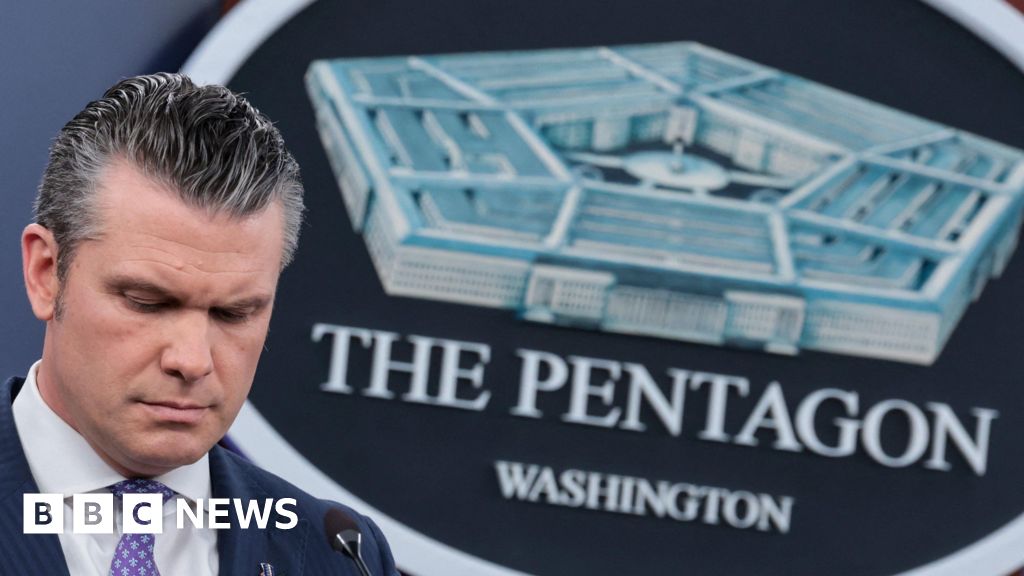
US Secretary of Defense Pete Hegseth, wearing a blue suit jacket, purple and blue tie, and a white dress shirt, stands beside a logo for the Pentagon as he looks downward.
TL;DR: The Pentagon announced eight agreements with Google, OpenAI, Amazon, Microsoft, SpaceX, Oracle, Nvidia and the startup Reflection to let the military use AI for any lawful operational purpose. Officials say the deals speed the shift to an AI‑first fighting force and note that over a million Defense Department staff have already cut task times from months to days using the department’s AI platform.
Context
The U.S. military has been expanding its artificial intelligence capabilities for years, seeking tools that can speed planning, logistics and analysis. Earlier this year a dispute with AI firm Anthropic over concerns about surveillance and autonomous weapons led the Pentagon to label the company a supply‑chain risk and opened the door for other vendors to step in. The new contracts formalize arrangements that were already in place with several of the firms.
Key Facts
- The Pentagon said the eight agreements allow AI use for any lawful operational purpose, covering activities such as intelligence processing, mission planning and equipment maintenance. - Officials quoted the deals as accelerating the transformation of the U.S. military into an AI‑first fighting force, meaning AI will be prioritized across doctrine, training and equipment. - More than one million Defense Department personnel have used the military’s AI platform since its launch last year, reducing the time needed for many tasks from months to days.
What It Means
By spreading AI work across eight different contractors, the Pentagon aims to avoid reliance on a single vendor and to gain access to a broader set of models and tools. The move could shorten decision cycles and improve efficiency in areas like target identification and supply‑chain management. Critics warn that wider AI adoption raises questions about accountability and the potential for autonomous actions in combat.
What to watch next
Observers will monitor how the new AI tools are deployed in exercises and whether any legal or ethical challenges emerge from the expanded use of artificial intelligence in defense operations.
Continue reading
More in this thread
AI‑Generated Tracks Gain Ground as One‑Third of Musicians Adopt the Tech
Alex Mercer
AI Monitoring Boosts White-Headed Langur Numbers to 1,400; Uber Commits $1.25 B to Robotaxi Fleet
Alex Mercer
White House Directs NASA to Build Lunar Nuclear Reactors by 2028, Deploy by 2030
Alex Mercer
Conversation
Reader notes
Loading comments...