Panthalassa Raises $140 Million to Deploy Wave‑Powered AI Nodes by 2026
Panthalassa raises $140 million to build ocean‑based AI computing nodes, with a pilot launch in the northern Pacific in 2026 and commercial rollout in 2027.
Panthalassa Raises $140 Million to Deploy Wave‑Powered AI Nodes by 2026
*TL;DR Panthalassa has secured $140 million to build floating wave‑powered AI servers, aiming to launch its Ocean‑3 pilot in the northern Pacific in 2026 and begin commercial operations in 2027.*
Context The tech industry faces a dual surge in electricity demand and AI workloads, while land‑based data centers wrestle with grid limits, cooling shortages, and permitting delays. Ocean‑based power offers an untapped alternative: the open sea holds tens of terawatts of energy potential, comparable to solar and nuclear sources.
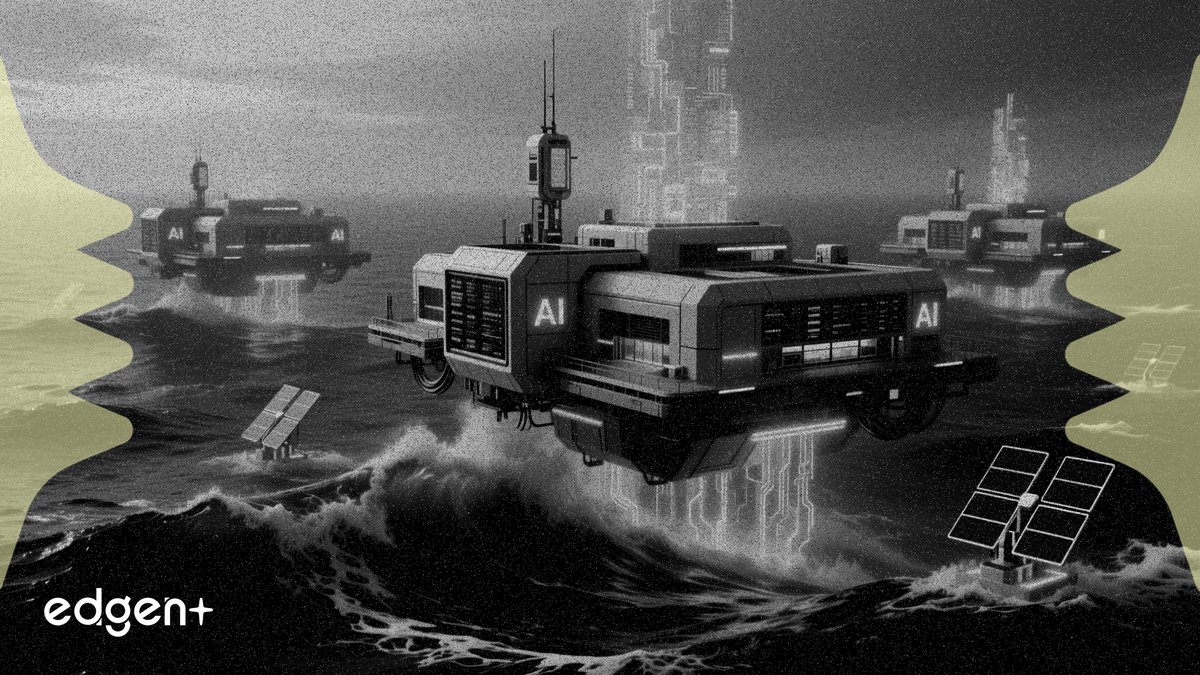
Key Facts - Panthalassa announced a $140 million financing round to complete its pilot manufacturing plant near Portland, Oregon, and accelerate the Ocean‑3 series. - Co‑founder and CEO Garth Sheldon‑Coulson highlighted that wave energy in the planet’s most energetic zones can deliver reliable, clean power. - The Ocean‑3 nodes are autonomous, steel‑plate platforms that convert wave motion into electricity, run AI chips on‑board, and transmit inference results via satellite. - A pilot fleet will be deployed in the northern Pacific in 2026 to demonstrate at‑sea AI inference, with full commercial deployment targeted for 2027. - Earlier prototypes—Ocean‑1, Ocean‑2 and the Wavehopper—validated power generation, propulsion, and computing capabilities in 2021 and 2024.
What It Means By generating electricity directly at sea, Panthalassa eliminates the need for new land‑based power plants and data‑center cooling infrastructure. The ocean’s natural cold water provides continuous super‑cooling, extending chip lifespans and reducing energy waste. Satellite‑linked inference tokens allow the system to feed AI results to terrestrial users without feeding power back to the grid. If the pilot succeeds, the model could relieve pressure on overloaded electrical networks, lower energy costs for businesses and households, and create a new exportable technology for the United States. The approach also sidesteps many permitting hurdles tied to terrestrial construction, potentially accelerating AI capacity growth.
Looking Ahead Watch for performance data from the Ocean‑3 pilot later this year and any partnership announcements that could scale wave‑powered AI computing into commercial markets.
Continue reading
More in this thread
Conversation
Reader notes
Loading comments...