Pakistan’s Army Chief Visits Tehran as Iran Reviews US Peace Offer
Pakistan’s top military leader heads to Tehran as Iran reviews a US 14‑point peace proposal and Trump warns of swift action if answers are unsatisfactory.
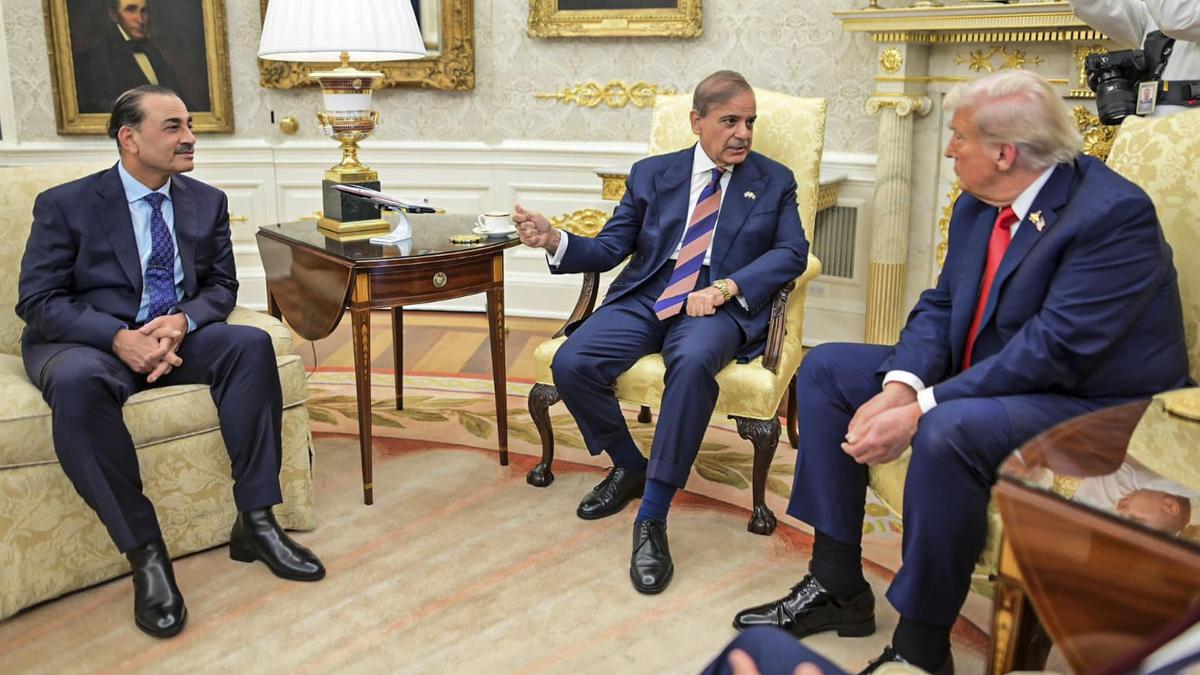
TL;DR: Pakistan’s top military commander travels to Tehran for talks as Iran reviews a US peace proposal, while President Trump warns Tehran that the United States will act quickly if it does not provide satisfactory answers.
Context The United States, Israel and Iran have been locked in a three‑month conflict that began on Feb. 28. A US naval blockade has restricted traffic through the Strait of Hormuz, a vital oil passage. Diplomatic pressure has intensified, with Pakistan stepping in as a mediator after hosting the only direct US‑Iran talks in April.
Key Facts - Field Marshal Asim Munir, Pakistan’s chief of army staff, will be in Tehran on Thursday for “talks and consultations” with Iranian officials, according to Iranian media. - The visit follows Interior Minister Mohsin Naqvi’s second trip to Iran this week, aimed at discussing Washington’s latest peace proposal. - Iran’s foreign ministry confirmed it has received the US’s views on its latest offer and is reviewing them. The proposal mirrors Tehran’s original 14‑point plan, which demands control of the Strait of Hormuz, reparations for war damage, sanctions relief, release of frozen assets and withdrawal of US troops. - President Donald Trump warned reporters at Joint Base Andrews that if Iran does not give “the right answers,” the United States is ready to act quickly, adding that the talks are on the “borderline” between a deal and renewed strikes. - Iranian Foreign Minister Abbas Araghchi said Tehran is prepared for both negotiation and combat, while the Islamic Revolutionary Guard Corps warned that any renewed aggression could expand the conflict regionally.
What It Means Munir’s trip signals Pakistan’s deepening role as a broker, potentially giving Tehran a channel to press its 14‑point demands without direct US pressure. The US, meanwhile, appears to be recalibrating its stance, shifting focus from Iran’s nuclear program to the strategic Strait of Hormuz. Trump’s warning underscores a low‑tolerance approach: failure to meet US expectations could trigger swift military action, including further vessel inspections under the blockade.
The next week will test whether Iran’s review leads to a revised offer or a hardening of its position. Watch for any statements from the US National Security Council and for movements of naval assets in the Gulf, which could indicate whether diplomatic talks remain viable or give way to renewed hostilities.
Continue reading
More in this thread
Conversation
Reader notes
Loading comments...