Oxford AI Expert Wins Faraday Prize, Downplays Robot Takeover Fears
Michael Wooldridge, Oxford AI expert, wins the 2025 Faraday Prize for science communication, downplays robot takeover fears, and notes Wikipedia’s small share in GPT‑3 training data.
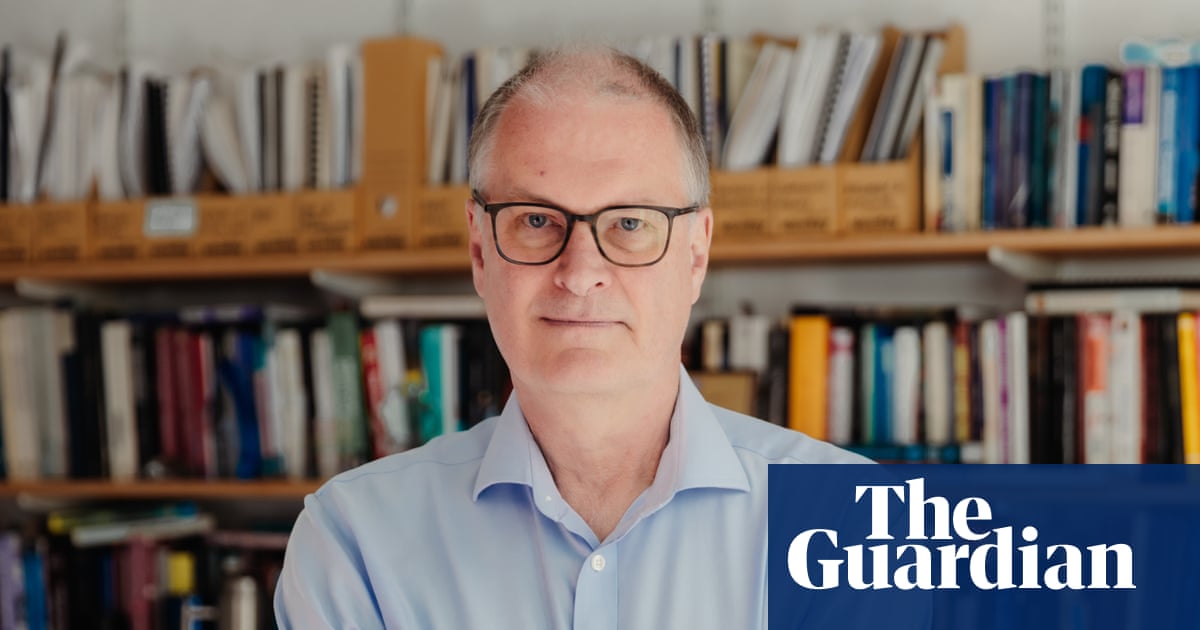
TL;DR: Michael Wooldridge, an Oxford professor of computer science, received the Royal Society's 2025 Faraday Prize for his work explaining AI to the public. He said a robot takeover ranks low among his worries and noted that only about three percent of GPT-3's training data comes from Wikipedia.
Context: Wooldridge has spent over thirty years studying artificial intelligence and is known for turning complex ideas into plain language. He authored a Ladybird Expert Book on AI and frequently uses pop-culture references, such as scenes from WarGames, to illustrate concepts like reinforcement learning. His approachable style earned him the Faraday Prize, which honors outstanding science communication.
Context (continued): Beyond books, he delivers lectures for the Royal Institution and contributes to expert panels that advise policymakers on AI safety and ethics. Colleagues describe him as enthusiastic yet skeptical, balancing optimism about AI's potential with caution about its misuse. This combination of expertise and accessibility makes him a trusted voice in public debates about technology.
Key Facts: The Royal Society announced the 2025 Faraday Prize for Wooldridge's contributions to public understanding of AI. In interviews, he downplayed fears of a robot takeover, saying it is a minor concern compared with challenges such as climate change and inequality. He also pointed out that Wikipedia makes up roughly three percent of the data used to train the GPT-3 language model, underscoring the limited role of crowd-sourced text in large AI systems.
Key Facts (continued): The prize includes a medal and a £2,500 grant, which recipients often use to further outreach activities. Wooldridge plans to allocate part of the funding to develop new interactive tools that help students grasp machine-learning basics. He emphasized that clear communication can reduce misinformation and foster realistic expectations about AI capabilities.
What It Means: The award highlights a growing recognition that effective communication is as vital as technical breakthroughs in the AI field. By emphasizing modest risks and transparent data sources, Wooldridge aims to temper hype and encourage informed public debate. His focus on accessible explanations may help bridge the gap between researchers and non-specialists as AI technologies continue to spread.
What It Means (continued): Policymakers increasingly rely on experts who can convey technical nuances without jargon when drafting regulations. Wooldridge's work suggests that improving public literacy could lead to more balanced decisions about AI deployment in areas such as healthcare, finance, and transportation. Continued investment in science communication may therefore shape the societal impact of emerging technologies.
What to watch next: Expect Wooldridge to deliver further public lectures and possibly new books that translate emerging AI topics into everyday language, while policymakers evaluate how training data composition influences model behavior.
Continue reading
More in this thread
Colossal Unveils Artificial Eggshell That Supports Shell‑Free Chicken Development
Alex Mercer
Google’s AI Mode Reaches 1 Billion Monthly Users as Usage Doubles Each Quarter
Alex Mercer
Google’s AI Search Surpasses 1 Billion Users as Overviews Dominate Queries
Alex Mercer
Conversation
Reader notes
Loading comments...