Over 170 Planetary Society Advocates Rally on Capitol Hill to Oppose 46% NASA Science Cut
More than 170 Planetary Society members meet lawmakers to reject a White House proposal cutting NASA’s science budget by 46%, citing public support from Artemis II.
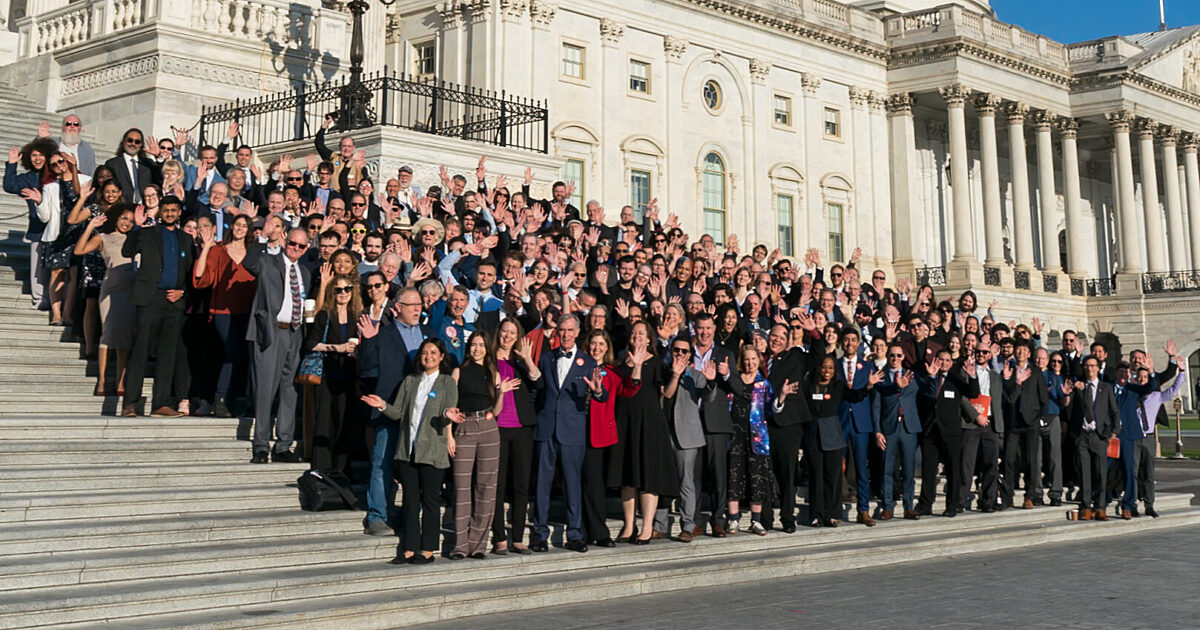
Save NASA Science Day of Action participants at the Capitol Building
**TL;DR** More than 170 Planetary Society members will meet lawmakers on April 20 to reject a White House proposal that would cut NASA’s science budget by 46 %. Bill Nye says past advocacy stopped similar cuts and points to strong public support shown by the Artemis II mission.
## Context The Planetary Society organizes an annual Day of Action where citizen advocates travel to Washington, D.C., to speak directly with congressional staff. This year’s event follows the successful return of Artemis II, a crewed lunar flyby that demonstrated broad public enthusiasm for space exploration. The group says the upcoming budget request threatens more than 50 active science missions and thousands of jobs. Participants fund their own travel and come from states ranging from Maine to Arizona.
## Key Facts The White House’s fiscal year 2027 budget request would reduce NASA’s Science Mission Directorate funding from $7.25 billion to $3.9 billion, a 46 % cut. Adjusted for inflation, this would be the lowest science funding level since 1984, according to the Office of Management and Budget’s inflation calculations using the Consumer Price Index. Bill Nye, the Society’s chief ambassador, noted that last year’s similar advocacy prevented major cuts and argued that Artemis II showed cross‑partisan backing for space science. The proposal would end more than 50 missions, including New Horizons, Chandra, Fermi, and multiple Mars projects, and would waste over $13 billion already spent on spacecraft.
## What It Means If Congress adopts the cut, U.S. leadership in planetary science, astrophysics, and Earth observation could decline, potentially shifting priorities to other nations. Advocates urge lawmakers to restore funding to at least $7.48 billion, the level they say is needed to keep current missions operational and protect the scientific workforce. The outcome will shape the nation’s space research agenda for the next decade.
## What to watch next Watch for the House and Senate appropriations committees’ markup of the FY 2027 budget later this spring, and for any bipartisan letters or amendments that aim to preserve NASA science funding.
Conversation
Reader notes
Loading comments...