Oscars Bar AI-Created Films as Automation Threatens 30% of Jobs by 2030
The Academy bans AI-made movies as automation threatens 30% of U.S. jobs by 2030, highlighted by recent AI-driven layoffs.
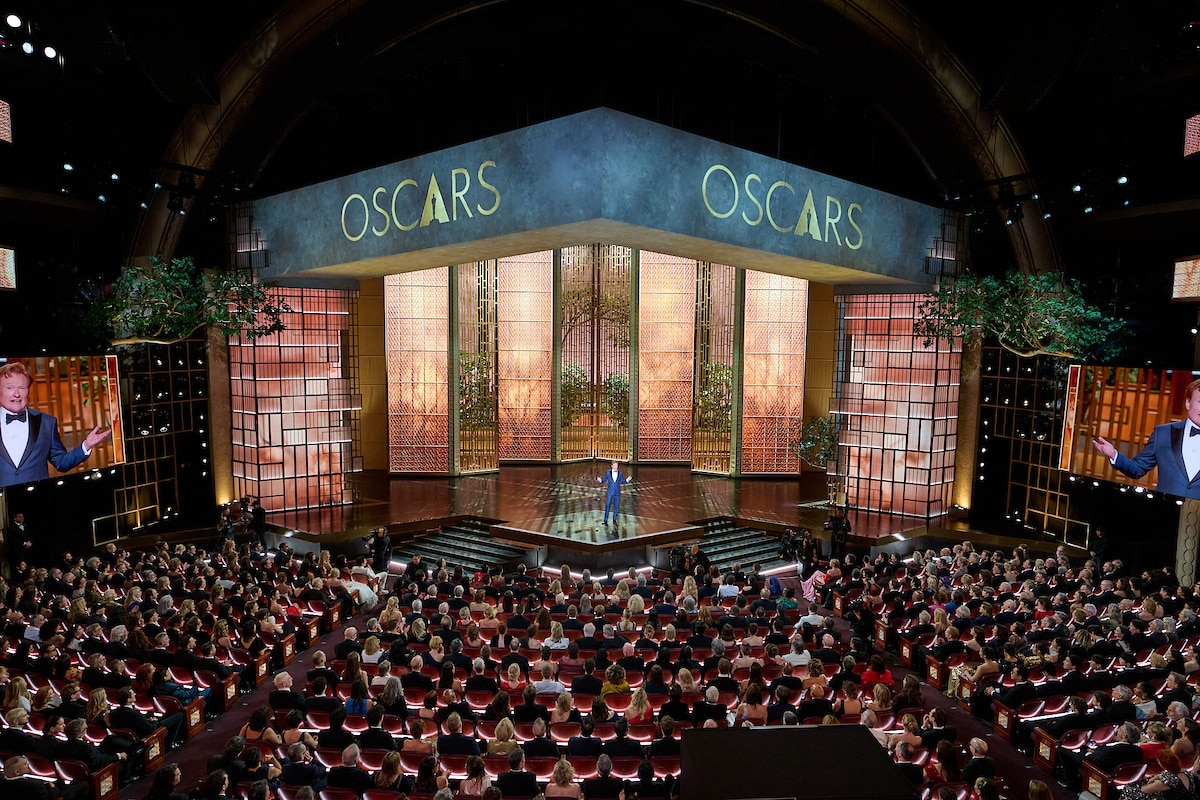
TL;DR: The Academy of Motion Picture Arts and Sciences now excludes AI‑generated movies from Oscar eligibility, a move that mirrors a broader wave of AI‑driven job cuts that could eliminate 30% of current U.S. positions by 2030.
Context Los Angeles, May 4, 2026 – AI tools such as ChatGPT now serve nearly half of American companies, delivering productivity gains but also prompting widespread workforce disruption. In El Paso, call‑center layoffs have risen sharply, with 800 jobs lost annually in 2024‑2025, up from under 200 in prior years.
Key Facts - The Academy revised its rules on Friday, allowing only films whose screenplay and performance are demonstrably human‑authored. The new language lets the Academy request proof of human involvement whenever generative AI is used. - Projections from industry analysts estimate that by 2030 AI and automation will replace roughly 30% of today’s jobs, while 60% will be reshaped, demanding new skill sets. - On March 31, HGS Solutions cut 92 El Paso call‑center positions as it transitions to AI‑driven workforce solutions, exemplifying the trend across low‑skill and high‑skill sectors alike. - AI is already handling tasks from graphic design for film marketing to code generation for software startups, eroding demand for programmers, legal support staff, and finance analysts.
What It Means The Oscars’ ban signals a cultural pushback against AI’s encroachment on creative labor, reinforcing the value placed on human authorship in high‑profile art forms. For workers, the rule change underscores a widening gap between AI‑enhanced productivity and employment security. Companies like HGS Solutions illustrate how cost‑saving AI deployments can trigger rapid layoffs, especially in roles that involve repetitive communication tasks.
As AI tools become more capable, sectors that once seemed insulated—film production, programming, legal research—face mounting pressure to upskill or risk obsolescence. Policymakers and industry leaders will need to address reskilling programs and safety nets to mitigate the projected 30% job loss.
Looking ahead, monitor how other cultural institutions respond to AI, and watch for legislative proposals aimed at protecting workers in the AI transition era.
Continue reading
More in this thread
China Blocks Meta's $2 B Manus AI Purchase as US Tightens Model‑Distillation Rules
Alex Mercer
IBM Declares Agentic Era Arrived, Unveils Bob Development Suite and 90% Faster Fraud Tool
Alex Mercer
ReN3 Secures $5 Million Seed Round to Accelerate Enterprise AI Platform
Alex Mercer
Conversation
Reader notes
Loading comments...