Orange County Evacuates 40,000 Over GKN Aerospace Chemical Tank Threat
40,000 residents ordered to evacuate in Orange County as a GKN Aerospace tank threatens a 6,000‑7,000 gallon spill or explosion.
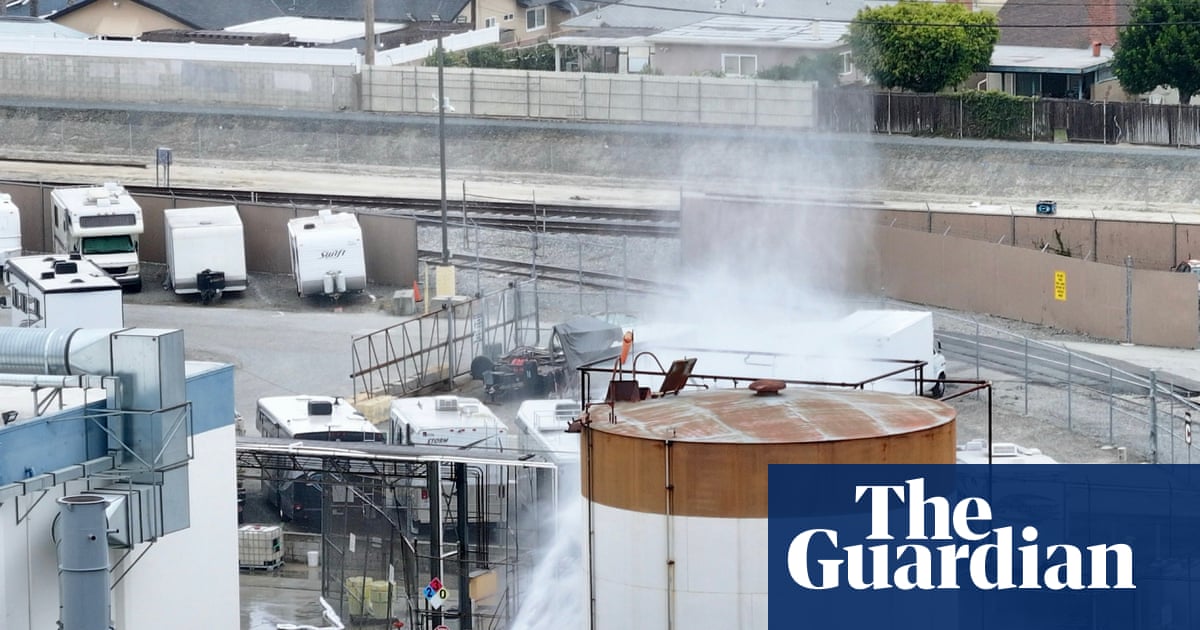
TL;DR: 40,000 people in Orange County were ordered to evacuate after a GKN Aerospace tank began leaking a highly flammable chemical, posing spill or explosion risks.
Context On Thursday, a storage tank at GKN Aerospace’s Garden Grove plant started off‑gassing methyl methacrylate, a volatile compound used in resin and plastic production. The leak triggered a hazardous‑materials (hazmat) response and an initial evacuation that was lifted later that day. Damage to a valve worsened the situation, forcing officials to re‑issue orders covering six neighboring cities by Friday.
Key Facts - Orange County fire division chief Craig Covey warned that the tank could either release 6,000‑7,000 gallons of the chemical onto the parking lot or enter a thermal runaway, a self‑accelerating reaction that could cause an explosion and affect adjacent fuel‑filled tanks. - Police chief Amir El‑Farra reported that roughly 15 % of those ordered to leave were refusing evacuation, despite the establishment of at least two shelters for displaced residents. - Emergency crews have placed sand barriers around the tank to contain a potential crack, which Covey described as “the best‑case scenario.” - GKN Aerospace is a division of a British aerospace parts manufacturer.
What It Means Methyl methacrylate’s flammability and volatility make both spill and explosion scenarios hazardous to public health. A spill could release toxic vapors, increasing the risk of respiratory irritation and fire ignition. An explosion would generate a blast wave and secondary fires, endangering nearby structures and residents.
For individuals in the evacuation zone, the immediate priority is to follow shelter instructions and avoid the plant perimeter. Those refusing evacuation should be aware that non‑compliance can lead to forced removal and potential exposure to hazardous fumes.
Long‑term, the incident underscores the need for robust secondary containment and regular valve inspections at facilities handling large volumes of flammable chemicals. Regulatory agencies may review safety protocols for similar plants nationwide.
What to watch next Monitor updates from Orange County officials on the tank’s condition, any containment breaches, and the timeline for lifting evacuation orders.
Continue reading
More in this thread
UN Warns 35 Million Nigerians Face Acute Hunger as Aid Funding Falls Short
Dr. Priya Sharma
Indoor Air Exposure Tops 90% of Daily Life, Lawmakers Warn of Health Risks
Dr. Priya Sharma
Parabilis Files for $100M IPO After Securing Up to $2.3B Regeneron Deal
Dr. Priya Sharma
Conversation
Reader notes
Loading comments...