Open‑Source Tools Aim to Cut Cloud Power Use as Data Center Demand Nears Double by 2030
Open‑source projects like Kepler and KEIT provide the metrics needed to curb a projected near‑doubling of data‑center electricity use by 2030.
TL;DR
Open‑source carbon‑tracking tools are poised to help cloud operators curb a near‑doubling of data‑center electricity demand by 2030.
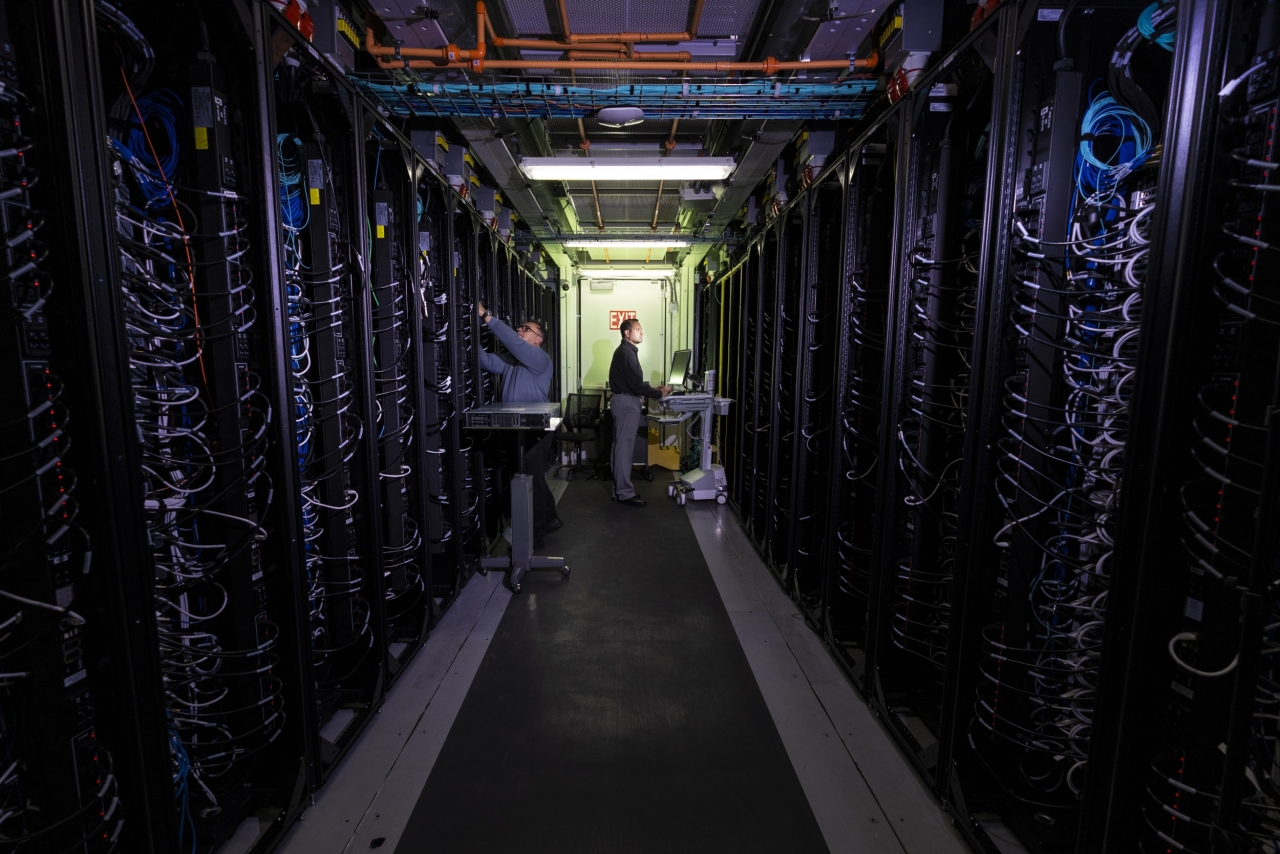
Context Data centers already draw 1.5% of the world’s electricity. The International Energy Agency warns that AI‑driven workloads could push that share close to 3% by the end of the decade. As power use climbs, businesses face tighter cost controls and growing regulatory pressure, especially in Europe where carbon‑reporting mandates are tightening.
Key Facts - The FinOps Foundation’s 2025 survey shows 36% of global and 53% of European cloud‑cost teams now publish carbon metrics, reflecting a shift toward sustainability accounting. - More than 80% of a cloud user’s emissions fall under Scope 3, the indirect impacts of hardware production and supply‑chain logistics that traditional monitoring tools miss. - Open‑source projects are filling the visibility gap. Kepler, a CNCF‑hosted project, uses eBPF (extended Berkeley Packet Filter) to attach low‑overhead probes to Kubernetes workloads and applies a machine‑learning model to estimate power draw per container. The Software Carbon Intensity (SCI) specification provides a standard method for converting those estimates into carbon‑equivalent figures. The Kubernetes Emissions Insights Tool (KEIT) merges Kepler data with SCI calculations, delivering actionable dashboards for platform engineers. - Early adopters of advanced autoscalers such as Karpenter report up to 40% reductions in compute spend, a direct proxy for energy savings when workloads are packed more tightly.
What It Means With AI workloads accelerating, efficiency gains alone risk triggering Jevons’ paradox—cheaper compute spurs more use, eroding any carbon savings. Open‑source tooling offers a two‑pronged solution: granular, bottom‑up energy data that complements top‑down billing exports, and a shared standard (SCI) that lets organizations compare carbon impact across clouds and regions. By exposing the hidden Scope 3 emissions, these tools enable procurement and design teams to choose hardware and suppliers with lower embodied carbon.
The next frontier will be integrating these metrics into cloud provider APIs and automating workload placement on grids powered by 24/7 carbon‑free energy. As open‑source ecosystems mature, watch for broader adoption of carbon‑aware scheduling and for policy frameworks that require real‑time emissions reporting from major cloud platforms.
Continue reading
More in this thread
Conversation
Reader notes
Loading comments...