One Practice, High Stakes: Sprint Format Redefines Canadian GP Prep
Teams have a single practice session before the sprint at Montreal, reshaping set‑up and tyre strategies for the Canadian Grand Prix.
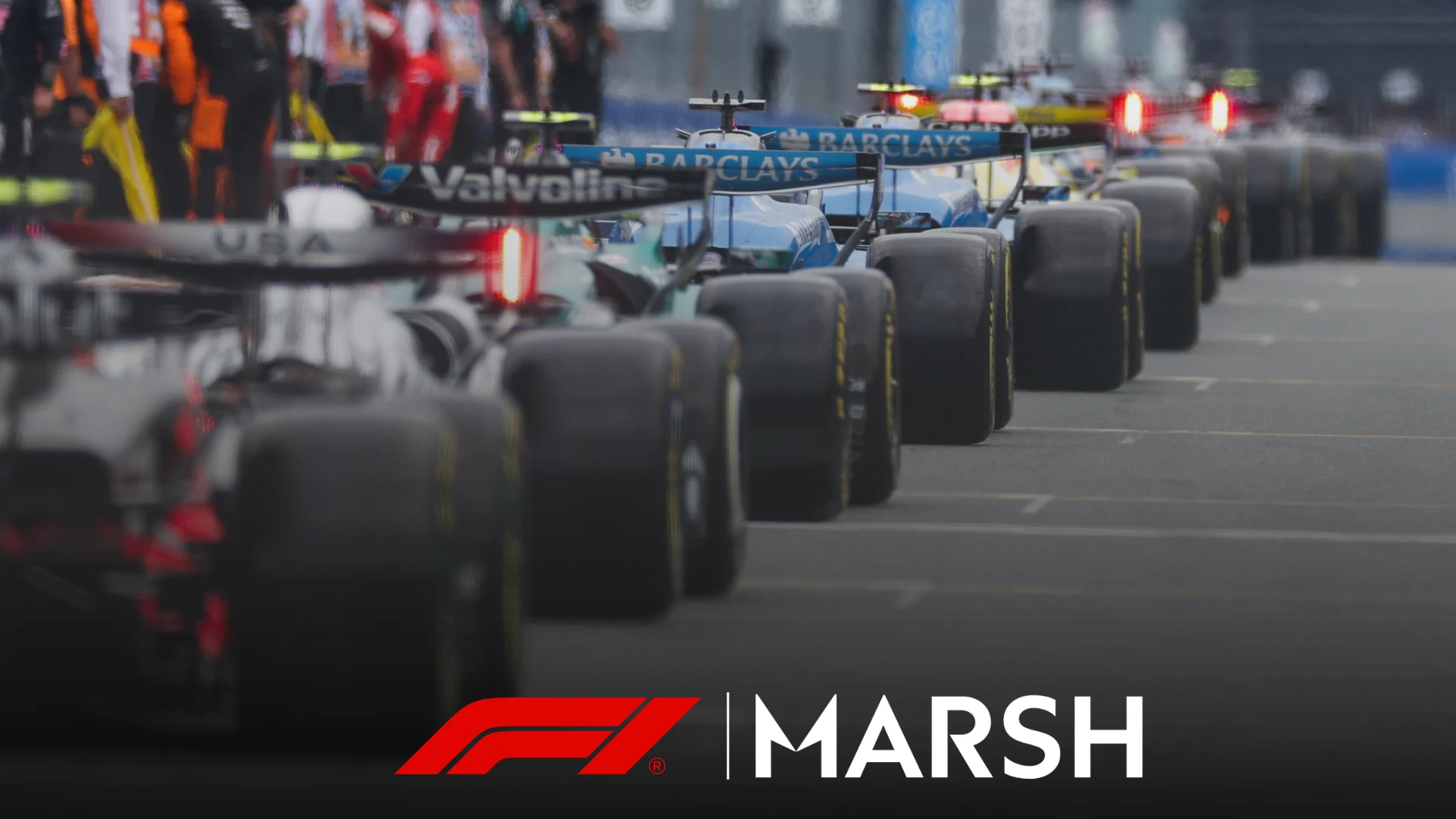
TL;DR
Only one free‑practice session precedes the sprint, forcing teams to lock in car set‑up and tyre plans with limited on‑track data.
The 2025 Canadian Grand Prix arrives a month earlier than usual, bringing cooler track temperatures and a new tyre lineup after Pirelli dropped the C6 compound. Montreal’s Circuit Gilles Villeneuve remains a bumpy, narrow layout with concrete walls and heavy braking zones, especially at Turn 10 – a low‑speed hairpin that often decides race outcomes.
Historically, teams use three practice sessions to refine aerodynamics, suspension stiffness, and brake cooling. This year the sprint weekend compresses that window to a single session, followed by sprint qualifying on Friday afternoon. Drivers and engineers must therefore rely heavily on simulator work; Racing Bulls’ Liam Lawson notes that energy management – a constant concern on hybrid F1 cars – will be less critical at Montreal, allowing drivers to push harder without draining the battery.
The limited on‑track time revives strategic gambles reminiscent of past races. In 2012, Sergio Pérez climbed from 15th to third using a one‑stop tyre strategy, demonstrating how a single pit stop can yield a podium when tyre wear aligns with track conditions. Conversely, the 2011 Canadian Grand Prix set the record for the longest F1 race at 4 hours 4 minutes, underscoring how extended durations can amplify tyre degradation and brake wear.
What it means for teams: set‑up decisions will hinge on a trade‑off between a stiff chassis for aerodynamic stability in the medium‑speed “Goldilocks” zones and a softer suspension that can navigate the chicanes without sacrificing speed. With no chance to iterate over multiple sessions, any mis‑calculation in brake cooling or tyre choice could lock a car into a sub‑optimal pace for both the sprint and the main race.
The sprint format also shifts the importance of the Saturday window. Parc Ferme – the rule that locks cars after qualifying – is suspended between the sprint and the main qualifying, permitting teams to adjust set‑up based on sprint data. Successful adaptation could mirror Pérez’s 2012 leap, while failure may echo the attrition of the 2011 marathon.
What to watch next: how teams translate sprint performance into Saturday qualifying set‑ups and whether the reduced practice time produces unexpected tyre strategies on race day.
Continue reading
More in this thread
Conversation
Reader notes
Loading comments...