Oklahoma Policy Institute Chief Says Taxes Fund Vital Services, Urges Civic Action
Executive director Shiloh Kantz argues taxes fund vital services and urges Oklahomans to get involved in local government.
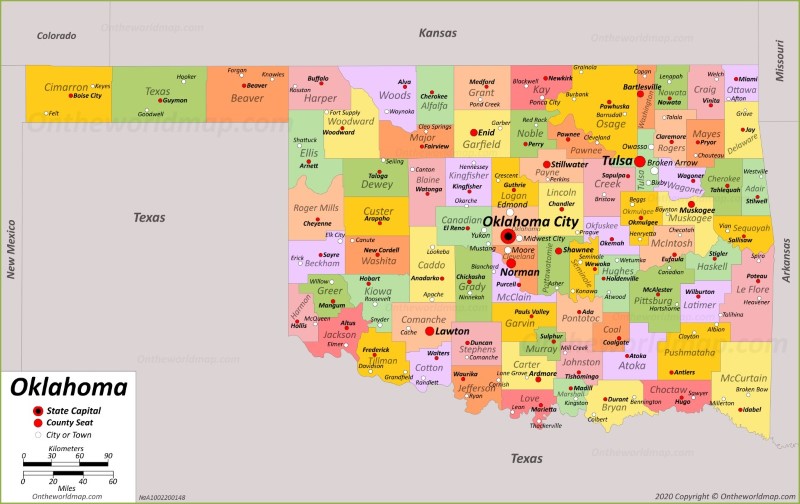
Map of Oklahoma
TL;DR: Oklahoma Policy Institute leader Shiloh Kantz says taxes pay for life‑saving services and urges residents to participate in government.
Context Oklahomans often notice government only when infrastructure fails or a disaster strikes. Daily functions—911 dispatch, public‑health programs, and weather forecasting—run quietly in the background, yet they are essential for community safety.
Key Facts Shiloh Kantz, executive director of the Oklahoma Policy Institute, frames taxes as the cost of living in a community and the means to maintain shared resources. He points to towns such as Moore and Enid, where residents know that rapid tornado response depends on public investment. The presence of trained first responders within minutes of a tornado is not accidental; it results from sustained funding of emergency services.
Kantz acknowledges that government does not always perform perfectly, but he warns against disengagement. He lists concrete ways for citizens to influence policy: contacting elected officials, attending town halls, joining grassroots groups like Together Oklahoma, serving on boards or commissions, and voting in every state and local election. He stresses that silence preserves the status quo, while participation drives improvement.
What It Means If Oklahomans accept Kantz’s premise, tax dollars become a collective insurance policy rather than a burden. Continued investment in 911 systems, public‑health infrastructure, and meteorological services would preserve the rapid emergency response that saved lives in Moore and Enid. At the same time, active civic engagement could address service gaps, ensuring that funding translates into reliable outcomes.
The call to action is clear: treat taxes as a community contract and use every available channel to hold officials accountable. Watching upcoming local elections and upcoming budget hearings will reveal whether Oklahomans translate this message into measurable policy shifts.
Continue reading
More in this thread
Conversation
Reader notes
Loading comments...