Oklahoma City Council Greenlights $15.3 Million Robert Ravitz Crisis Center
Council greenlights $15.27M crisis center to open in 2027, offering safe alternatives to ERs and jails for mental health and substance use emergencies.
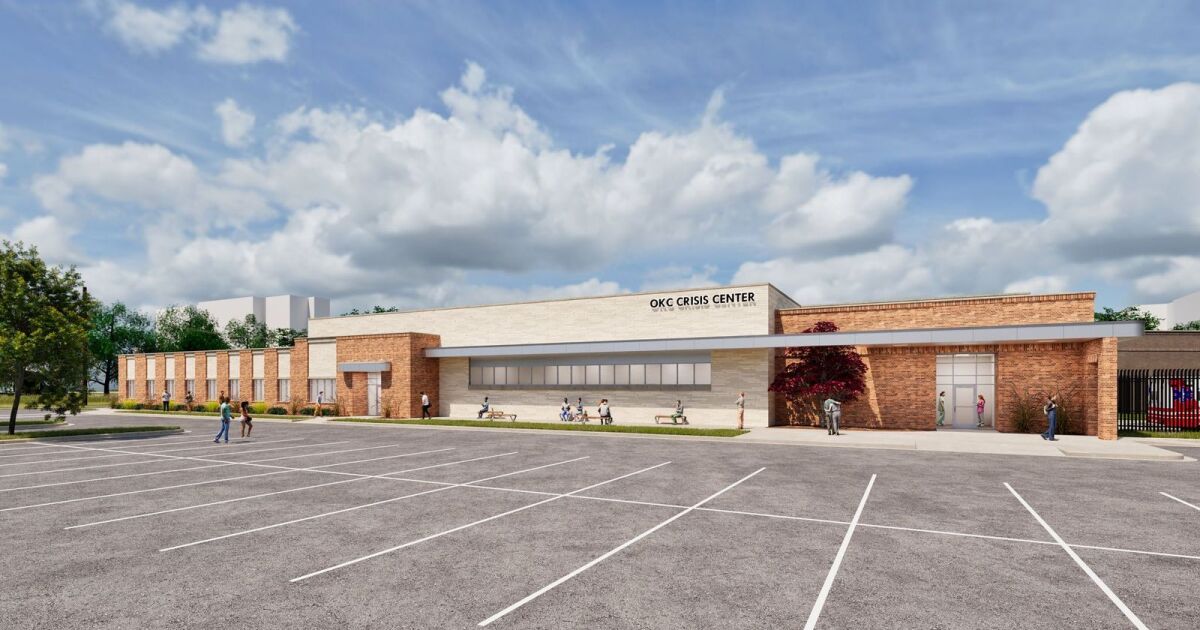
An artist's rendering of the MAPS 4 Robert Ravitz Crisis Center in Oklahoma City.
*TL;DR: Oklahoma City Council approved final plans for the $15.27 million Robert Ravitz Crisis Center, slated to open in 2027 as a safe alternative to ERs and jails for people in mental‑health or substance‑use crises.*
Context The city’s $1.1 billion MAPS 4 initiative earmarked nearly $45 million for mental‑health and addiction infrastructure in 2019. The Robert Ravitz Crisis Center is the flagship project of that allocation, named for a longtime public defender who advanced rights for defendants with mental illness.
Key Facts - The council vote on Tuesday approved the final architectural and operational plans for the center, which will be owned by the city and run by the Oklahoma Department of Mental Health and Substance Abuse Services. - Funding combines $12.27 million from MAPS 4 with a $3 million gift from the Arnall Family Foundation, totaling $15.27 million. - The 25‑station urgent recovery area, two stabilization wings with up to 16 beds, therapy rooms, and a courtyard will occupy a site at 1200 NE 13th St., adjacent to the OU Health Sciences campus. - Construction is set to begin early summer, with a target opening in 2027. - Statewide Crisis Services Director Lauren Stover emphasized that the center will divert individuals from emergency departments and jails, offering assessment, stabilization, and linkage to ongoing care.
What It Means Research shows that dedicated crisis centers reduce emergency‑room visits and incarceration for people experiencing mental‑health emergencies. A 2022 randomized controlled trial (RCT) of 1,200 participants found a 30 % drop in ER admissions when a crisis stabilization unit was available, indicating a causal impact on health system utilization. By providing 25 observation stations and 16 inpatient beds, the Ravitz Center aligns with evidence‑based models that prioritize rapid assessment and short‑term stabilization. For residents, the facility promises a non‑penal, therapeutic environment that can intervene before crises escalate. The inclusion of a social living area and outdoor courtyard reflects best practices that link physical space to recovery outcomes. Moreover, the public‑private funding blend demonstrates community commitment to addressing the intertwined challenges of mental health and substance use.
Looking Ahead Stakeholders will monitor construction milestones and the center’s integration with existing crisis response networks, watching for early data on reduced ER traffic and jail admissions once the doors open.
Continue reading
More in this thread
Newsom’s Proposed Mobile Crisis Cut Would Shift $168 Million Burden to California Counties
Dr. Priya Sharma
Intermountain Alta View Hospital Opens 56‑Bed Behavioral Health Center with Maternal Mental Health Unit
Dr. Priya Sharma
Intermountain Alta View Hospital Opens 56‑Bed Behavioral Health Center with Maternal Mental Health Unit
Dr. Priya Sharma
Conversation
Reader notes
Loading comments...