Oil Prices to Stay Above $100 Through 2026, Aramco Profits Jump >25%
JP Morgan forecasts oil to stay in the low $100s through 2025, averaging $97 in 2026. Aramco’s Q1 profit rose over 25% as the Strait of Hormuz remains closed.
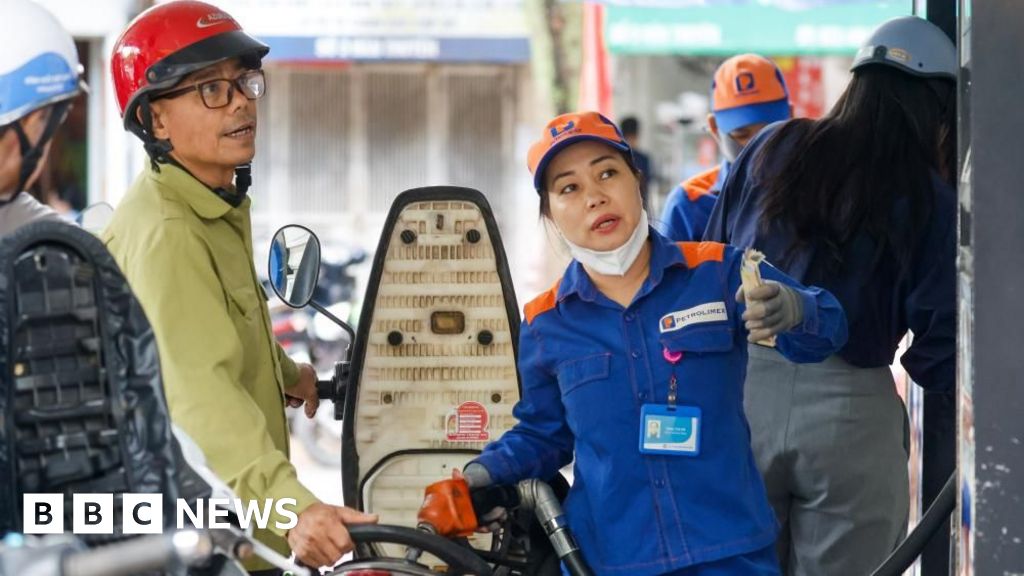
An employee pumps fuel into a customer's motorbike at a petrol station in Hanoi, Vietnam
TL;DR: JP Morgan forecasts oil prices will remain in the low $100s for most of this year and average $97 for 2026. Aramco reported first‑quarter earnings up more than 25% year‑on‑year amid continued disruption in the Strait of Hormuz.
Context
The Strait of Hormuz, which carries about a fifth of global oil shipments, has been effectively closed since late February after Iran threatened to attack vessels attempting to pass. This closure has cut a major artery for crude and liquefied natural gas, forcing tankers to take longer routes around Africa.
Although a ceasefire began in early April and was extended indefinitely by President Trump, actual tanker traffic has not resumed. Market participants remain wary of renewed Iranian threats, keeping freight rates high.
Brent crude has hovered above $100 a barrel since the truce started, reflecting tighter supplies and the risk of further disruption. Analysts note that even modest improvements in flow would take time to translate into lower prices.
Key Facts
JP Morgan’s analysis says prices should stay in the low $100s for the remainder of 2025, with a 2026 average of $97. The bank cautions that a quick rebound is unlikely once the Strait reopens.
Aramco’s first‑quarter profit jumped over 25% compared with the same period in 2025, helped by its cross‑country pipeline that bypasses the blocked waterway. The Saudi firm also noted higher refining margins contributed to the gain.
Aramco chairman Amin Nasser warned that even if the Strait reopened today, market rebalancing would take months, and any further delay could push normalization into 2027. He cited an unprecedented loss of about a billion barrels of oil from the region.
What It Means
Higher oil prices keep energy costs elevated for manufacturers and households, while major producers enjoy stronger cash flows. This dynamic can influence inflation trends and central bank policy decisions.
The lingering bottleneck suggests that supply‑side relief will be gradual, keeping upward pressure on prices through at least 2026. Traders are watching for any sign of increased OPEC output or renewed diplomatic progress.
Investors should watch for shifts in Iranian policy, OPEC production decisions, and changes in US‑Iran diplomatic talks that could alter the timeline for market normalization.
The next developments to watch are signals on Strait reopening, OPEC production decisions, and any changes in US‑Iran diplomatic talks.
Continue reading
More in this thread
Conversation
Reader notes
Loading comments...