Oil Prices Drop as Trump Hints at US‑Iran Deal, Asian Markets Rally
Brent falls 5.5% and Japan's Nikkei climbs on hopes the Strait of Hormuz will reopen after a near‑deal between the US and Iran.
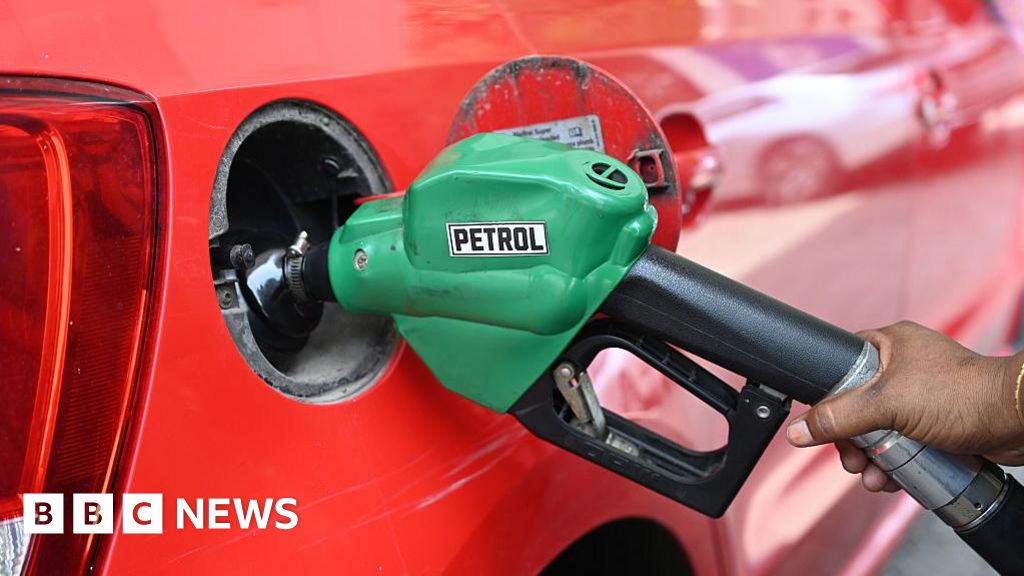
A worker fills a red car with fuel with a green pump labelled petrol on 23 May, 2026 in New Delhi, India.
TL;DR: Brent crude slid 5.5% to $97.90 and Japan’s Nikkei 225 jumped 2.9% after President Trump said a US‑Iran peace agreement is largely negotiated.
Context President Donald Trump announced on Saturday that a peace deal with Iran had been “largely negotiated” and was awaiting final details. The statement came amid a war that has kept the Strait of Hormuz—through which roughly 20% of global oil and liquefied natural gas passes—effectively closed since late February. Traders interpreted the news as a signal that the narrow waterway could reopen, prompting a sharp reversal in oil prices.
Key Facts - Brent crude, the global benchmark, fell 5.5% to $97.90 per barrel, while U.S. West Texas Intermediate dropped 5.8% to $90.99. - Japan’s Nikkei 225 index broke the 65,000 mark, rising 2.9% on expectations that the Hormuz bottleneck will ease. - Trump’s remarks included a “very good call” with Saudi, UAE and Qatari leaders about a memorandum of understanding for peace, and a separate positive conversation with Israeli Prime Minister Benjamin Netanyahu. - The president cautioned against rushing the final steps, urging his team to avoid mistakes.
What It Means The price decline reflects market optimism that a diplomatic breakthrough could restore oil flow through Hormuz, easing the supply crunch that has kept crude prices elevated since the conflict began. Even with the drop, Brent remains near $100 a barrel, far above pre‑war levels around $70. Analysts warn that normalising shipments will take months, as damaged facilities and depleted global oil stocks require time to recover. Consequently, oil markets are likely to stay tight through 2027, despite short‑term relief.
Asian equities, particularly in energy‑dependent Japan and South Korea, are poised to benefit from lower import costs if the strait reopens. Investors will watch for any official announcement from the United States, Iran and regional partners in the coming days, as the details of the deal will determine the pace of oil‑price adjustments and the broader market reaction.
Continue reading
More in this thread
Conversation
Reader notes
Loading comments...