Ohio Bans Cell Phones in Schools Amid Youth Mental Health Surge
Governor DeWine bans cell phones in Ohio K‑12 schools and expands 24/7 crisis‑text services as the state confronts a growing youth mental‑health crisis.
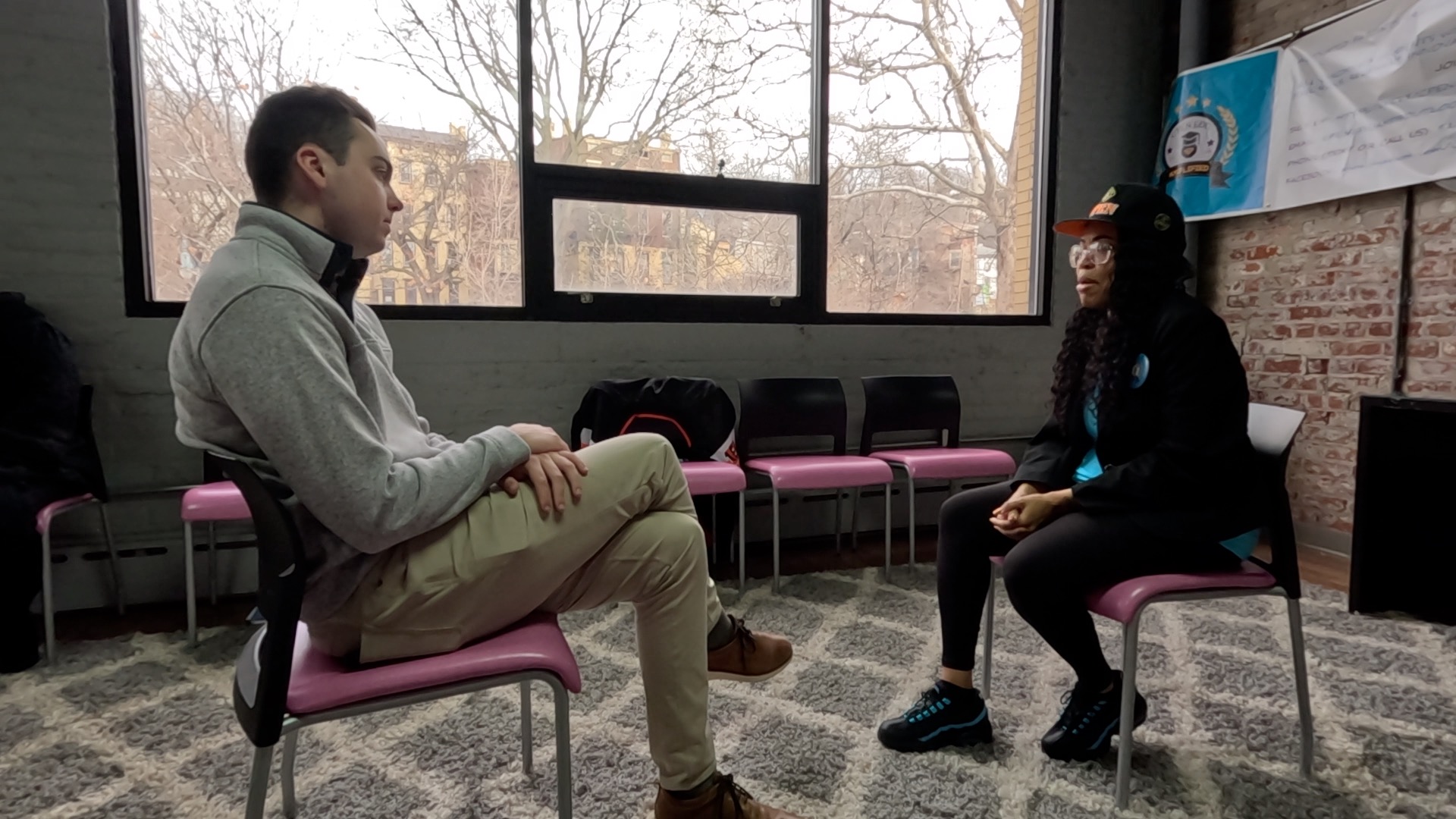
Parents, teachers share thoughts on new Ohio law banning cell phones in schools
*TL;DR: Ohio’s governor has prohibited cell phones in all K‑12 classrooms and highlighted new 24/7 crisis‑text services to address a rising youth mental‑health emergency.
Context Ohio’s education system faces mounting pressure as families report overwhelming stress during adolescent mental‑health crises. Parents like Rochelle Montes describe feeling ill‑equipped to manage both their child’s distress and their own emotions, underscoring gaps in community support.
Key Facts - In the 2026 State of the State address, Governor Mike DeWine identified child mental health as a top priority and, with the General Assembly, enacted a ban on personal cell phones in every public K‑12 school across Ohio. The policy aims to reduce digital distractions and create safer, more focused learning environments. - The ban coincides with a broader rollout of the 988 Lifeline, a free, confidential crisis‑call service operating 24/7. Ohio residents can also text “START” to 741‑741 or “4HOPE” for state‑specific assistance, connecting callers with trained counselors at any hour. - State health agencies have released an Ohio 988 Toolkit, enabling schools and community groups to produce customized awareness materials. Additional resources from Nationwide Children’s Hospital and the Kids Mental Health Foundation offer free guides and curricula for early intervention. - Funding continues for school‑based health centers, reinforcing physical and mental‑health services on campus.
What It Means The cell‑phone ban removes a common source of distraction and potential cyber‑bullying, but it also eliminates a tool many students use to access mental‑health apps. Educators will need to balance reduced screen time with ensuring students can still reach crisis services quickly. The expanded text‑line options provide a direct, low‑barrier pathway for help, especially for youth who may hesitate to call.
Practical takeaways for families: 1. Register your child’s school for the 988 Toolkit to receive ready‑made flyers and digital posts that explain how to use the text service. 2. Keep the numbers “START” → 741‑741 and “4HOPE” saved on a device that remains accessible at home, as phones will be unavailable during school hours. 3. Connect with local support groups such as Mobile Response and Stabilization Services, which have proven effective in rapid crisis response for families dealing with autism and related conditions.
Looking Ahead Monitor how Ohio schools measure changes in student focus, attendance, and reported mental‑health incidents after the ban takes effect. Data from upcoming cohort studies will reveal whether reduced phone access translates into measurable improvements in youth well‑being.
Continue reading
More in this thread
Never End the Day Angry: Pastor Adeboye’s 59‑Year Marriage Rule
Dr. Priya Sharma
Ohio Mom’s Crisis Fuels Push for Youth Mental Health Resources Amid Statewide School Phone Ban
Dr. Priya Sharma
Nigeria’s ‘Hero Paradox’: Why Shielding Children from Absent Fathers Backfires
Dr. Priya Sharma
Conversation
Reader notes
Loading comments...