Odisha Ends EV Subsidies for Government Employees Amid Green Mobility Push
Odisha’s Finance Department has ended subsidies and interest‑free loans for government employees buying electric vehicles, raising questions about the state’s EV policy as commuters warn of possible charging queues.
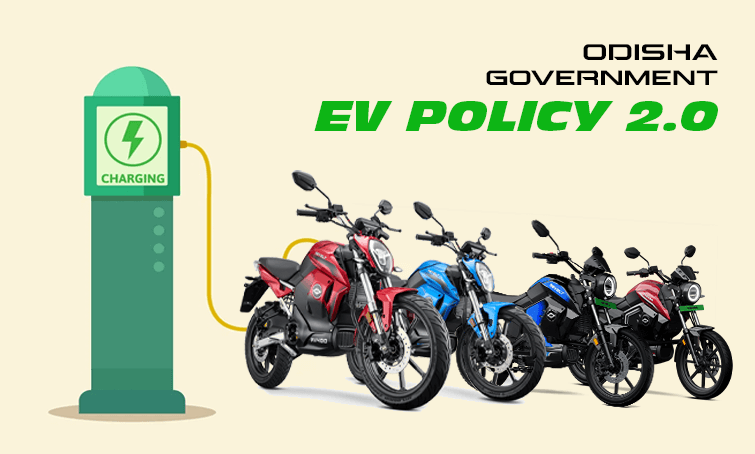
TL;DR
Odisha’s Finance Department has stopped subsidies and interest‑free loans for government employees purchasing electric vehicles. The move comes as the state pushes broader EV adoption while commuters warn that weak charging infrastructure could create new queues.
Context The Odisha government has repeatedly urged citizens to switch to electric vehicles to curb fuel dependence and support sustainable transport. The push comes amid a nationwide fuel shortage that has raised petrol prices and increased queues at pumps. Several departments have pledged to increase EV use in official fleets, and ministers have said incentives may stay in place until 2028. Yet a letter dated April 28 from the Finance Department told all department secretaries to end the employee‑specific subsidies and interest‑free loans that had been offered for EV purchases.
Key Facts The Finance Department’s order ends the financial support that previously lowered the upfront cost for government workers buying EVs. Commuters have warned that, without enough charging stations, drivers could face lines at chargers similar to today’s petrol queues. Ministers have stated that overall EV incentives could continue through 2028, but they have not clarified whether the employee benefits will be restored or replaced. In Bhubaneswar and other urban areas, the number of EVs has grown significantly, yet charging stations remain scarce compared to demand.
What It Means The discontinuation creates a gap between the state’s public encouragement of EVs and the benefits available to its own workforce, raising questions about policy consistency. Employees may now bear the full purchase price, potentially slowing adoption within government fleets. At the same time, the lack of a clear charging network could deter broader consumer confidence, especially if queues develop at limited stations. Battery safety worries and limited after‑sales service have also been cited by buyers as reasons for hesitation. The mixed signals may affect public trust in the state’s green‑mobility agenda.
What to watch next Observers will look for any official clarification on employee EV benefits, progress on charging‑station rollout, and whether the government revisits its subsidy stance in response to feedback.
Continue reading
More in this thread
Conversation
Reader notes
Loading comments...