Nvidia Expands RTX 5070 Laptop VRAM to 12 GB Without Changing Core Specs
Nvidia upgrades the laptop RTX 5070 to 12GB GDDR7 memory while keeping the 128-bit bus and 4,608 CUDA cores unchanged.
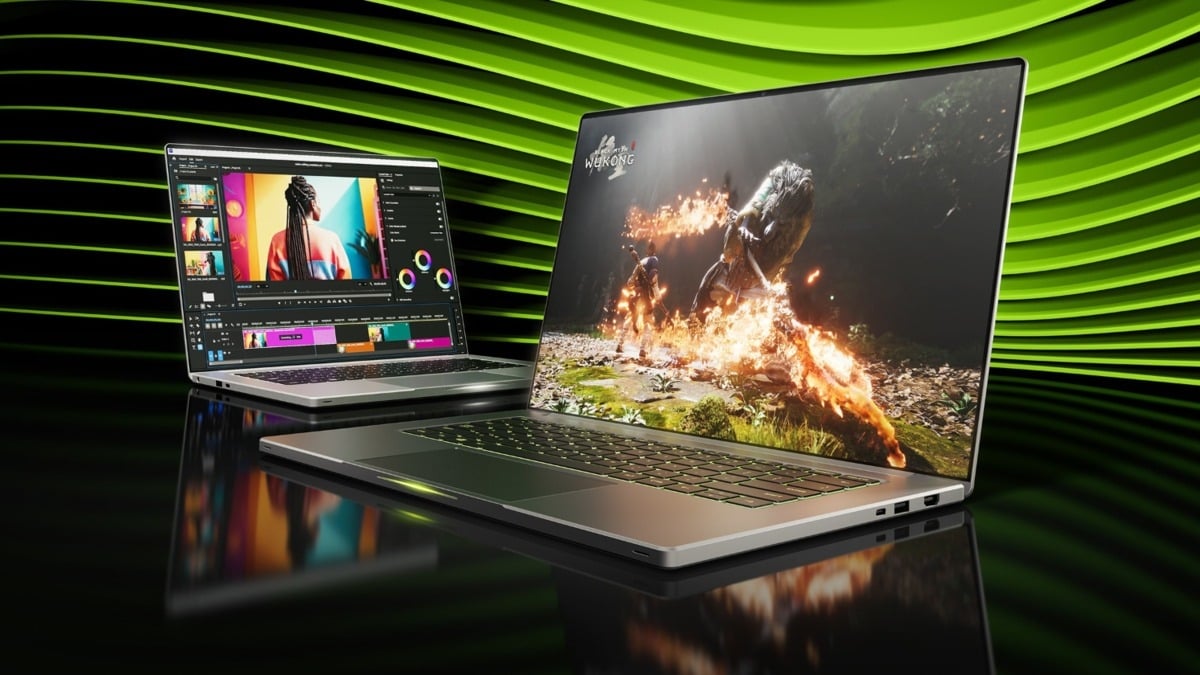
The new memory variant will coexist with the 8GB SKU in the mobile market, allowing OEMs to target two distinct performance and price tiers.
TL;DR
Nvidia upgrades the laptop RTX 5070 from 8 GB to 12 GB of GDDR7 memory, a 50 % increase, while leaving the GPU’s core architecture untouched.
Context Gamers and AI developers increasingly hit the 8 GB memory ceiling on modern laptops. Memory shortages and rising costs have stalled many mid‑generation refreshes, leaving users with limited upgrade paths.
Key Facts - The mobile RTX 5070 now ships with 12 GB of GDDR7 memory, up from 8 GB, to ease bottlenecks in high‑resolution gaming and local AI workloads. - The memory interface remains a 128‑bit bus, and the chip still houses 4,608 CUDA cores, the same parallel processing units as the 8 GB model. - The laptop GPU uses Nvidia’s GB206 silicon die, the same block found in the desktop RTX 5060, not the larger GB205 die that powers the desktop RTX 5070. Consequently, the desktop version retains a clear performance lead despite the laptop’s RAM boost.
What It Means The extra 4 GB of VRAM gives the RTX 5070 more headroom for texture‑heavy titles and larger AI models, reducing frame‑rate drops when memory pressure spikes. Because the memory bus width and core count stay constant, raw compute power does not increase; the upgrade mainly addresses data‑throughput limits rather than raw speed.
For users whose laptops were already bottlenecked by 8 GB, the change should translate into smoother gameplay at 1440p and more stable performance in AI inference tasks. However, the unchanged 128‑bit interface caps the maximum bandwidth, so the GPU will still fall behind higher‑end mobile chips that combine larger buses with more cores.
Looking ahead, watch for Nvidia’s next mobile refresh cycle. If memory costs ease, a broader “Super” refresh could bring wider buses or higher‑core dies to the laptop market, further narrowing the gap with desktop GPUs.
Continue reading
More in this thread
Conversation
Reader notes
Loading comments...