North Carolina Senate Targets AI‑Driven Insurance Denials and Hospital Billing Inflation
North Carolina senators propose a bill to stop AI‑only insurance denials and curb AI‑driven hospital billing inflation, sparking debate over oversight.
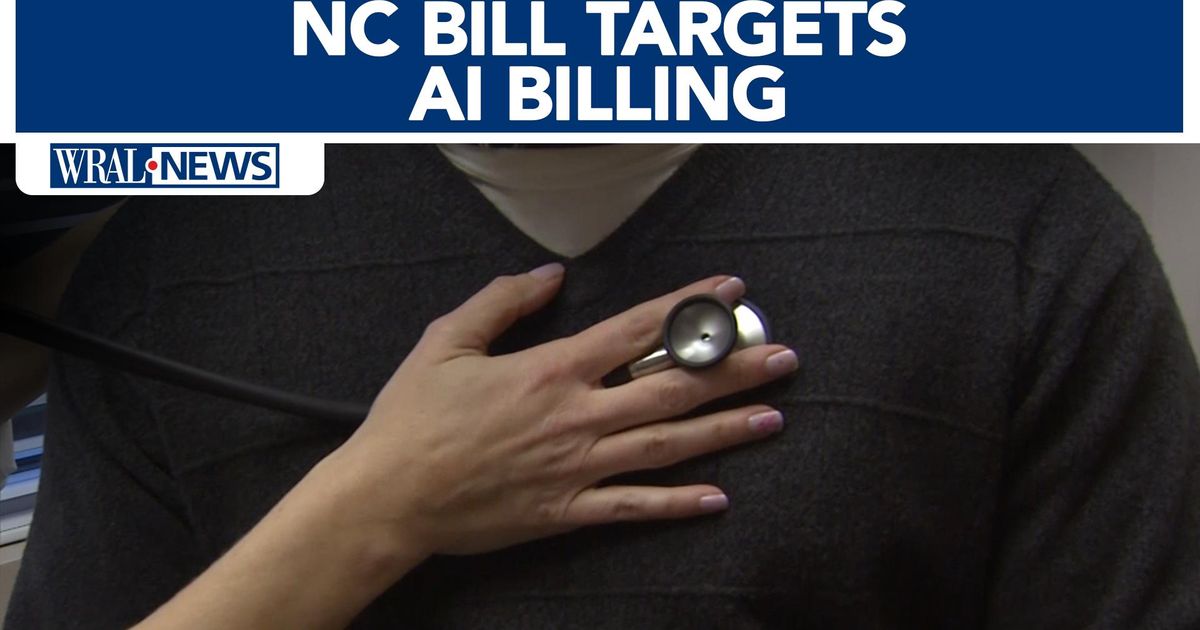
Did a bot deny your claim? NC lawmakers want to regulate AI in health insurance
*TL;DR: North Carolina senators are advancing legislation that would prohibit health insurers from denying claims solely on AI output and would impose new limits on AI‑generated hospital billing codes.
Context Artificial intelligence is reshaping medical research, delivering faster diagnoses and novel treatments. Lawmakers warn the same technology could raise patient costs if left unchecked in insurance decisions and hospital billing.
Key Facts Sen. Amy Galey (R‑Alamance) introduced a committee substitute to House Bill 565 that requires a living human to review any claim the AI rejects. “We do not want robots or computers to deny care to sick people,” she told the Senate Health Committee.
Galey cited a Rice University Baker Institute report showing hospital service prices have risen more than 200 % since 2000. She argues the surge is not driven by labor or patient acuity but by AI systems that select higher‑reimbursement codes—a practice known as upcoding.
The bill would also create rules for AI use in hospital coding, aiming to stop automatic selection of the most lucrative billing codes. “It’s resulting in a higher bill that increases costs for insurers, including Medicaid and the state health plan and the patient,” Galey said.
Sen. Gale Adcock (D‑Wake), a family‑nurse practitioner, called the proposal “one‑sided.” She noted existing regulations already ban upcoding and allow the Department of Health and Human Services to suspend providers caught inflating codes. Adcock said the bill needs extensive work to achieve balance and enforceability, and it fails to address differing charges for inpatient versus outpatient services.
Sen. Natalie Murdock (D‑Durham) highlighted concerns from two large hospitals in her district about how the legislation defines upcoding and fraud. She stressed that the bill must evolve with AI technology and that broader healthcare input is essential.
The North Carolina Healthcare Association warned that AI‑driven coding and billing are complex and expressed willingness to help craft precise language.
What It Means If passed, the bill would force insurers to involve human reviewers before denying claims flagged by AI, potentially slowing automated decision‑making but adding a safeguard for patients. Hospital billing could see tighter oversight, limiting AI’s ability to automatically assign higher‑value codes. Critics argue the measures may duplicate existing rules and create enforcement challenges.
The second committee hearing was canceled, leaving the bill’s future uncertain. Stakeholders from insurers, hospitals, and patient advocates are expected to lobby as the General Assembly refines the language.
What to watch next: The Senate will schedule a revised hearing, and the Department of Health and Human Services may issue guidance on AI‑related billing practices.
Continue reading
More in this thread
Welsh first minister labels UK cost‑of‑living steps a missed chance as Plaid Cymru assumes power
Nadia Okafor
Illinois Senate Passes Uniform $300/$1,000 Fines for Illegal School Bus Passing
Nadia Okafor
Female Nursing Student Beheaded in Imo State Apartment, Police Launch Investigation
Nadia Okafor
Conversation
Reader notes
Loading comments...