Norfolk Elections Proceed After Government Reversal Following Reform UK Challenge
Norfolk's local elections will proceed this May after a government reversal, following a Reform UK legal challenge amidst significant council reforms.
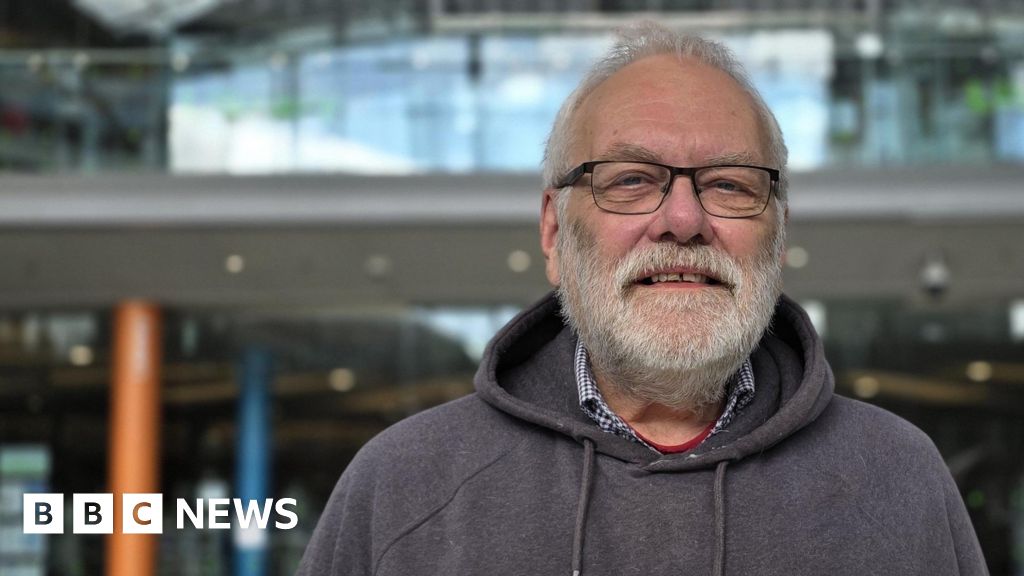
Steve Morphew is wearing a grey hoody with a yellow horizontal stripe across the chest. Beneath the top he is wearing a checked shirt.
The UK government reversed its decision to postpone local elections in Norfolk after a legal challenge from Reform UK, leading to concerns about election outcomes during significant local government reforms.
The government initially sought to postpone Norfolk's local elections scheduled for this May. This proposed delay aimed to provide a smoother administrative period for a significant restructuring of local governance. This reorganization, part of a wider devolution plan, involves the complex task of consolidating various local services and authorities into fewer, larger bodies. Reform UK, a political party, subsequently launched a legal challenge against the government's postponement decision, arguing for the democratic right to vote.
Following this legal challenge, the government reversed its decision, confirming that local elections in Norfolk will proceed as originally scheduled this May. This development places the election directly amidst a major overhaul of local public services. Norfolk's devolution plan is set to replace eight existing councils with three new unitary authorities. These unitary bodies will then assume responsibility for all local government functions, from social care and education to housing and waste management. Labour leader Steve Morphew publicly stated he did not support holding these local elections in May. He expressed concerns about potential "messy" results, emphasizing the critical need for stable, experienced leadership during this complex transitional period. Morphew highlighted fears that newly elected, potentially inexperienced councillors might struggle to maintain essential services and effectively manage the transition, creating instability for local residents.
Holding elections now means new councillors will take office just as the significant administrative changes commence. The transition involves a comprehensive remapping of responsibilities, affecting a wide range of public services previously handled by separate district and borough authorities. The immediate election introduces new political leadership into an already complex process of local government reform. The newly elected officials will be tasked with overseeing the groundwork for the three unitary authorities. These new entities are slated to begin full operations in 2028, consolidating power and responsibility across the county. The outcome will determine the composition of the council tasked with guiding this large-scale transformation. Observers will now watch how these new councils manage both daily governance and the ambitious restructuring project simultaneously, ensuring continuity of services throughout the critical shift.
Continue reading
More in this thread
Assisted Dying Bill Stalls in Lords as Time Runs Out, Exposing Parliament's Weakness on Ethical Legislation
Nadia Okafor
Falana Challenges Military Court Dress Code, Cites Conflict with Legal Ethics Rules
Nadia Okafor
Nigeria Govt to Scrap ‘Irrelevant’ Social Science Courses, Warns Students Against Taking Loans for Them
Nadia Okafor
Conversation
Reader notes
Loading comments...