Nigeria Sets Aviation Fuel Price Band, Recommends Airline Credit
Nigeria's government projects aviation fuel prices will range from N1,760 to N2,037 per litre. A committee also recommended 30-day credit for airlines to stabilize the market.
TL;DR
Nigeria’s government projects aviation fuel prices between N1,760 and N2,037 per litre, following committee recommendations that also include a 30-day credit window for airlines.
Persistent supply and pricing challenges in Nigeria’s aviation sector prompted federal intervention. The government now projects aviation turbine kerosene (ATK), the fuel used by jet aircraft, to range between N1,760 and N2,037 per litre. This projection emerged from high-level engagements convened by the Minister of Aviation and Airspace Management on April 22-23, 2026.
A technical committee, subsequently formed by the Nigerian Midstream and Downstream Petroleum Regulatory Authority (NMDPRA) on April 24, 2026, made key recommendations to stabilize the market. Participants included officials from the Ministries of Aviation and Petroleum Resources, various regulatory bodies, airline operators, and fuel marketers. This broad representation aimed to address systemic issues.
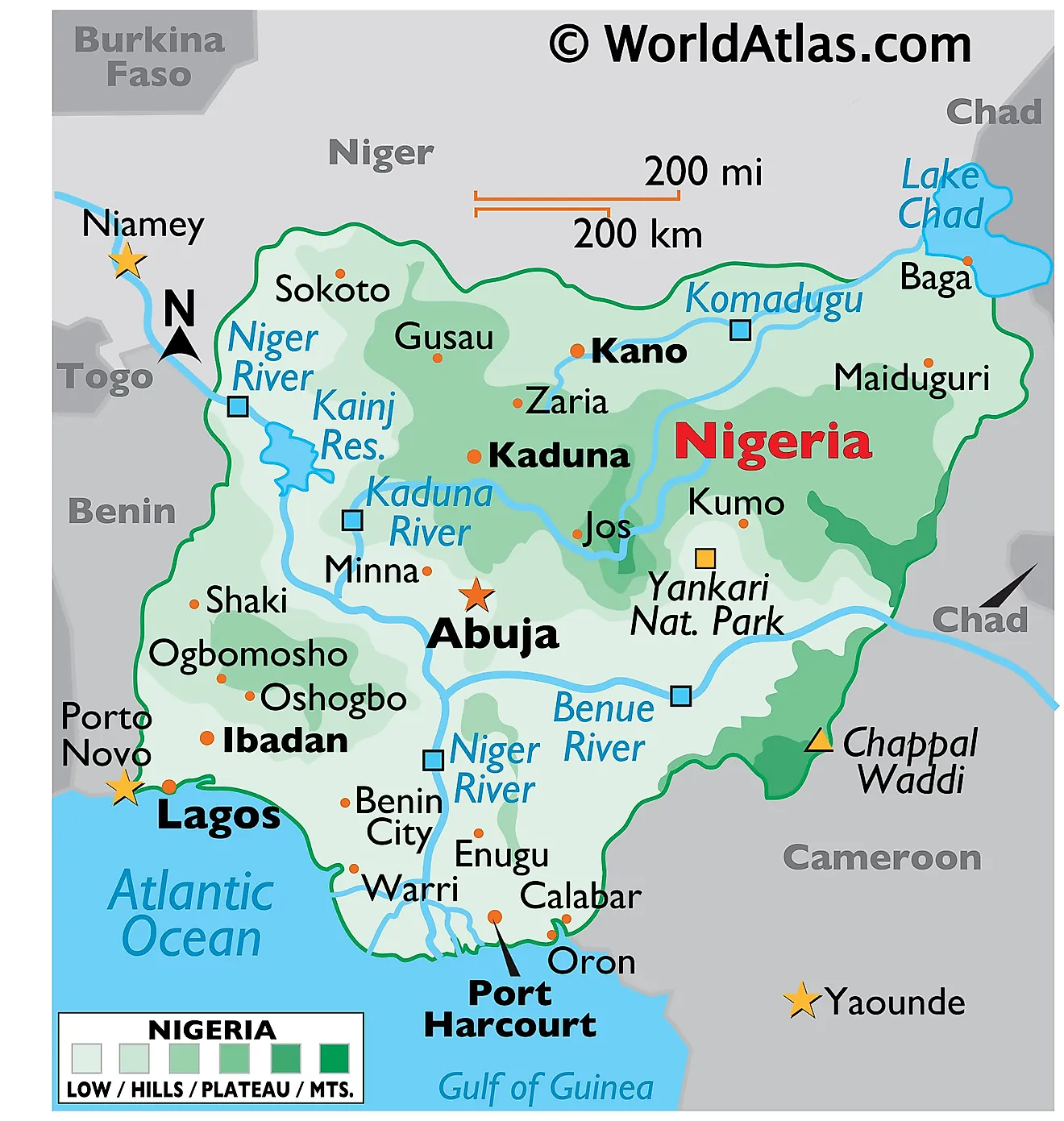
The committee detailed indicative end-user prices for aviation fuel across major hubs. It estimated ATK prices between N1,760 and N1,988 per litre in Lagos. In Abuja, the projected range is N1,809 to N2,037 per litre. These benchmarks were established based on Platts average rates recorded from April 17-23, 2026, providing a current market reference.
To stabilize the market and support airline operations, the panel issued further recommendations. It advised fuel marketers to offer airlines a 30-day credit period for fuel purchases. This measure directly addresses the sector's ongoing debt issues and aims to ease financial strain on operators by improving liquidity.
The committee also recommended that the NMDPRA direct marketers to sell aviation fuel directly to airline operators. This aims to improve distribution efficiency and transparency. Furthermore, it called for regulatory engagement to review pricing components, including premium adjustments and cost variations recently introduced by refineries, with a view to ensuring greater price stability.
These steps collectively seek to create a more predictable and sustainable operating environment for Nigerian airlines. Direct sales, coupled with a credit facility, aim to tackle the twin problems of unreliable supply and mounting airline debt. The established price band offers clearer cost forecasting for carriers, aiding operational planning.
All stakeholders will now monitor the implementation of these recommendations. The impact on fuel availability, pricing stability, and airline financial health remains a key area to observe in the coming months, as the sector navigates these reforms.
Continue reading
More in this thread
Data-Driven Strategies Bolster Startup Funding Chances as 60% Face Hurdles
Elena Voss
Legacy’s $54M Crypto Flop Fuels Anger as Molyneux Charges $25 for Masters of Albion Early Access
Elena Voss
MIT Engineers Pivot from Restaurants to HVAC, Building $1B AI Startup Avoca
Elena Voss
Conversation
Reader notes
Loading comments...