Nigeria Set to Ban Alcohol Sachets Under 200ml from January 2026 to Shield Children from Profit‑Driven Harm
Nigeria's NAFDAC will ban alcohol sachets under 200ml starting January 2026, a move to combat addiction and social problems among children and youth.
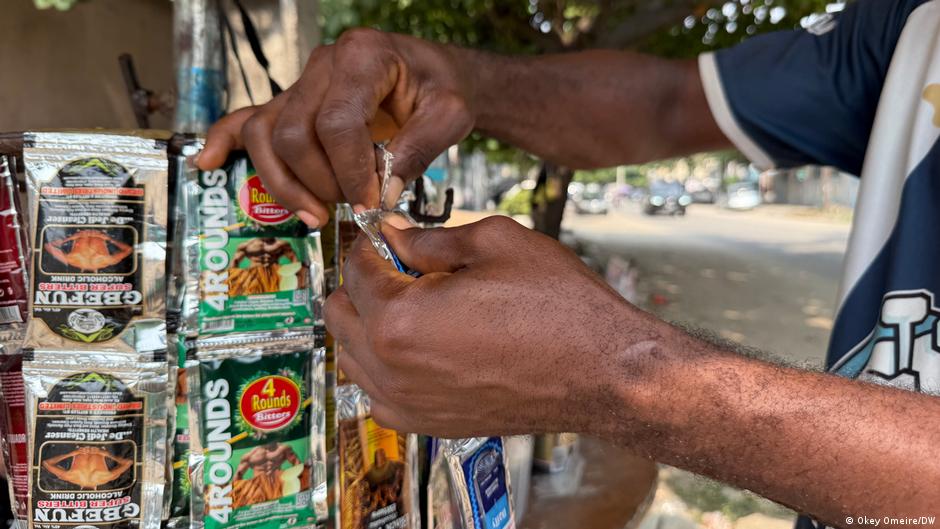
A man opens a small sachet containing alcohol.
Nigeria's National Agency for Food and Drug Administration and Control (NAFDAC) will ban alcohol sachets under 200ml starting January 2026, targeting addiction and social problems linked to these products among young people. This policy aims to prioritize public health over commercial interests, specifically protecting children.
Nigeria will prohibit the production and sale of alcohol in sachets and small bottles under 200ml from January 2026. This measure follows NAFDAC's determination that these readily accessible, often cheaper, alcohol formats contribute significantly to addiction, abuse, and broader social issues, particularly among children and young adults. The agency has observed these effects firsthand.
NAFDAC's ban on alcohol sachets under 200ml, effective January 2026, draws on clear evidence demonstrating a direct link to increased addiction, abuse, and social problems. The agency's assessments point to these small, affordable formats as significant contributors to public health issues, particularly among vulnerable populations.
Manufacturers and sellers have resisted the ban, citing economic impacts and potential job losses. They propose alternatives like stricter age enforcement and better labeling, despite challenges in regulatory oversight within the country.
This regulatory step coincides with broader efforts to enhance national security and law enforcement capabilities. President Bola Tinubu recently directed the Inspector-General of Police to reassign officers from VIP duties and initiate a large-scale recruitment program. This move aims to strengthen frontline policing nationwide, addressing a perceived shortage of law enforcement personnel.
Globally, nations contend with substance abuse crises. For instance, former US President Donald Trump reportedly used tariffs and military force in attempts to apprehend Venezuelan President Nicolás Maduro over alleged fentanyl trafficking. This international example underscores the complex and aggressive measures governments sometimes deploy to combat drug-related issues, highlighting the enforcement challenges even advanced nations face.
The impending ban signifies a governmental commitment to public health, particularly concerning the vulnerability of Nigerian youth. It positions health outcomes above immediate economic considerations for a segment of the industry. The policy implicitly acknowledges the difficulties in enforcing existing age restrictions on alcohol sales, suggesting a preventative approach is deemed more effective.
The discussion surrounding sachet alcohol reflects a recurring societal challenge: balancing economic imperatives with public health needs. This dynamic often sees commercial interests push back against regulations designed for broader societal protection.
Nigerians can expect a shift in the availability of small-format alcoholic beverages and continued debate over the ban's implementation and economic ramifications. The effectiveness of this policy in curbing youth alcohol abuse will be a key area for observation moving forward.
Continue reading
More in this thread
US Hospitals Face 'Barbaric' Boarding Crisis, New Data Reporting Mandated
Dr. Priya Sharma
New Treponema Bacteria Linked to Most Noma Cases, Pointing to Early Detection
Dr. Priya Sharma
Lagos Sanitation Returns: Highways Empty for Football as Cleanup Participation Falters
Dr. Priya Sharma
Conversation
Reader notes
Loading comments...