New Study Challenges Leonardo da Vinci’s Tree Rule, Revealing Greater Climate Vulnerability of Trees
PNAS research finds Leonardo's tree rule fails microscopically, indicating large trees face higher climate vulnerability.
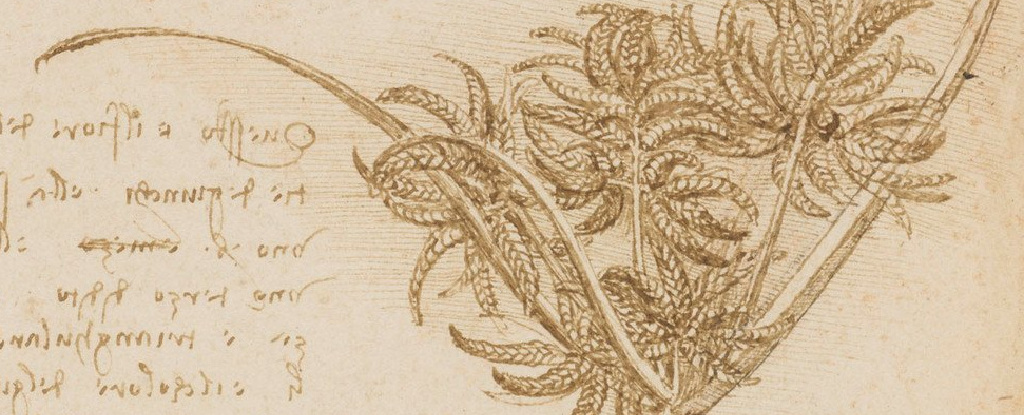
TL;DR A new PNAS study shows Leonardo da Vinci's tree rule fails at the microscopic level, indicating large trees may be more vulnerable to climate change than previously thought.
Context Leonardo da Vinci's tree rule states that a branch's thickness equals the combined thickness of its daughter branches. For centuries artists and scientists used this simple equality to understand tree structure. Researchers Stuart Sopp and Ruben Valbuena examined the internal xylem network that moves water and nutrients.
Key Facts Published in the Proceedings of the National Academy of Sciences, the study by Sopp and Valbuena found the rule does not hold when observing xylem at a fine scale. The internal transport system is more complex than the rule predicts, making large trees' hydraulic resilience lower than earlier models assumed. This discovery suggests increased vulnerability to drought and heat stress.
What It Means If tree branching is less balanced than da Vinci described, climate models that rely on simple structural estimates may overestimate forest carbon uptake. Scientists must revise growth and survival forecasts for big trees under future warming. The work invites fresh experiments on how xylem architecture influences stress tolerance.
Watch next: researchers will test how these microscopic structural differences affect tree responses to prolonged drought and rising temperatures.
Continue reading
More in this thread
Study Overturns Leonardo da Vinci’s Tree Rule, Revealing Greater Climate Vulnerability of Trees
Dr. Leo Tanaka
NAU Study Finds Climate TRACE Misses 70% of City Vehicle CO2 Emissions
Dr. Leo Tanaka
Indonesian rescuers recover hiker’s body as search for two missing Singaporeans continues amid Dukono eruptions
Dr. Leo Tanaka
Conversation
Reader notes
Loading comments...