Nationalist Leaders Meet in Westminster to Push for Self‑Determination After Election Wins
Sinn Féin’s Michelle O’Neill, SNP’s Dave Doogan and Plaid Cymru’s Liz Saville Roberts met in Westminster to discuss cooperation on self‑determination after election results that will see three nationalist first ministers take office.
TL;DR
Nationalist leaders from Sinn Féin, the SNP and Plaid Cymru met in Westminster to discuss cooperation on self‑determination after election results that will see three nationalist and pro‑independence first ministers take office for the first time. They agreed to keep working together, though no joint statement was released.
Context Recent elections in Wales, Scotland and Northern Ireland returned strong showings for parties advocating greater self‑government. Sinn Féin’s Michelle O’Neill became First Minister of Northern Ireland, marking the party’s first time leading the devolved executive. The SNP’s Dave Doogan leads the party’s Westminster group after the Scots returned a record number of pro‑independence MPs. Plaid Cymru’s Liz Saville Roberts continues to represent the Welsh party in parliament following gains that increased its seat share. These outcomes mean that, for the first time, three nationalist‑led administrations will operate simultaneously within the UK.
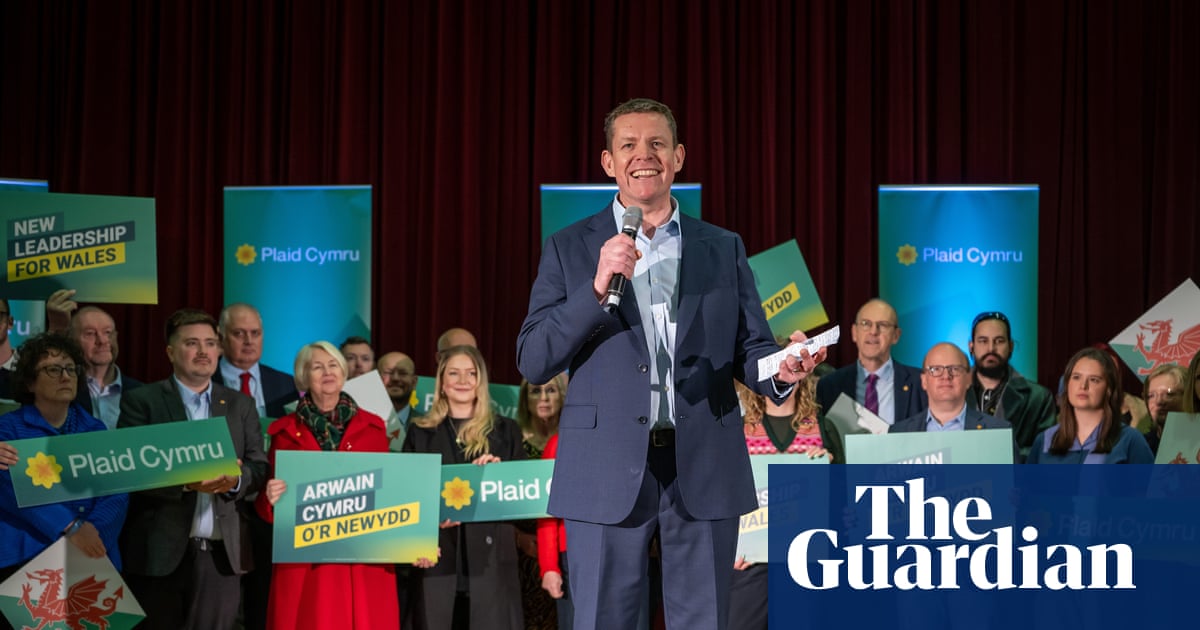
Key Facts On Wednesday evening O’Neill, Doogan and Saville Roberts met in Westminster to talk about the shifting political landscape. O’Neill said they discussed the historic election results and agreed to continue working in common purpose to deliver for their peoples and their right to national self‑determination. She added that people are increasingly looking beyond Westminster’s constraints toward decisions taken closer to home. Although the parties issued no joint statement, they confirmed they would keep collaborating on shared interests such as fiscal policy, cultural affairs and intergovernmental dialogue. The meeting was captured in photos showing the three leaders standing together inside the parliamentary estate.
What It Means The meeting signals a tighter coordination among the UK’s nationalist blocs, which could amplify pressure for new independence referendums and greater devolved powers. Analysts note that joint messaging may help each party strengthen its case domestically and internationally. At the same time, the UK government faces a complex constitutional landscape where divergent aspirations coexist within a single state. Policymakers in London will need to decide whether to accommodate greater devolution, resist further change, or seek a negotiated settlement. The development also raises questions about the future of the Union Jack and the symbolism of shared institutions.
What to watch next: any announcements of joint policy papers, moves toward referendum legislation, or shifts in Westminster’s response to growing nationalist demands.
Continue reading
More in this thread
Conversation
Reader notes
Loading comments...