NASA’s Science Budget Stuck at 2000 Levels as Isaacman Shifts Focus to Lunar Base
NASA’s science budget stays at $7.25 billion, matching its 2000 inflation‑adjusted level, while Administrator Jared Isaacman advocates faster, cheaper missions and a lunar surface base instead of an orbiting station.
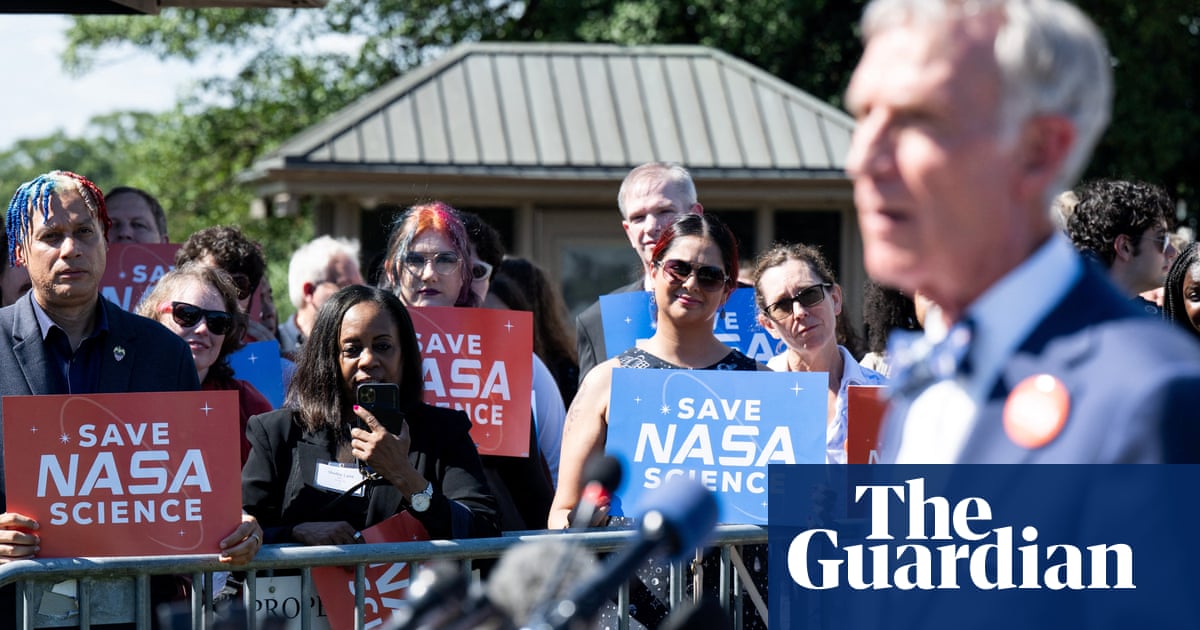
TL;DR: NASA’s science budget remains flat at $7.25 billion, matching its 2000 value after inflation, while Administrator Jared Isaacman pushes for faster, cheaper missions and a lunar surface base instead of an orbiting station.
Context
Over the past quarter‑century, the number of commercial rockets capable of reaching orbit has surged, with reusable boosters from SpaceX’s Falcon 9 and others lowering launch costs. Despite this abundance, NASA has launched fewer telescopes and planetary probes than it did in 2000. To see whether funding explains the slowdown, we adjusted the agency’s 2000 science budget for inflation using the Bureau of Labor Statistics Consumer Price Index, which shows a roughly 70 % price increase since then. The inflated 2000 figure comes to about $7.25 billion, nearly identical to the $7.25 billion appropriated for NASA’s science account in fiscal year 2024. In other words, the budget has grown less than 1 % per year on average over the last two decades, staying essentially flat in real terms.
Key Facts
- NASA’s science budget for the current year is $7.25 billion, about the same as its 2000 budget after adjusting for inflation. - Nicky Fox, associate administrator for NASA’s science mission directorate, said, “Mr. Isaacman is very keen on us doing things quicker and for less… His challenge is he wants 10 $100 million missions to be flying.” - NASA Administrator Jared Isaacman announced he is overhauling the Artemis program by canceling the planned lunar‑orbiting space station and instead pursuing a lunar surface base.
What It Means
A flat science budget limits the agency’s ability to start large‑flagship missions, encouraging a shift toward smaller, more frequent projects as Isaacman’s “more shots on goal” approach suggests. The Artemis overhaul redirects resources from an orbiting gateway to habitats and infrastructure on the Moon’s surface, potentially accelerating crewed landings but raising questions about how lunar science will be conducted without a station. Meanwhile, Isaacman’s push for a nuclear‑powered spacecraft to deliver drone rotorcraft to Mars in 2028 could open new planetary science avenues if funded. Watch for Isaacman’s detailed lunar base roadmap later this year and any revisions to the science budget in the next appropriations cycle.
Continue reading
More in this thread
Conversation
Reader notes
Loading comments...