NASA Publishes 12,000+ Artemis II Photos, Including Animated ‘Hello, World’ Sequence
NASA makes over 12,000 Artemis II photos public, including a new animated 'Hello, world' composite, expanding access to lunar mission visuals.
NASA Publishes 12,000+ Artemis II Photos, Including Animated ‘Hello, World’ Sequence
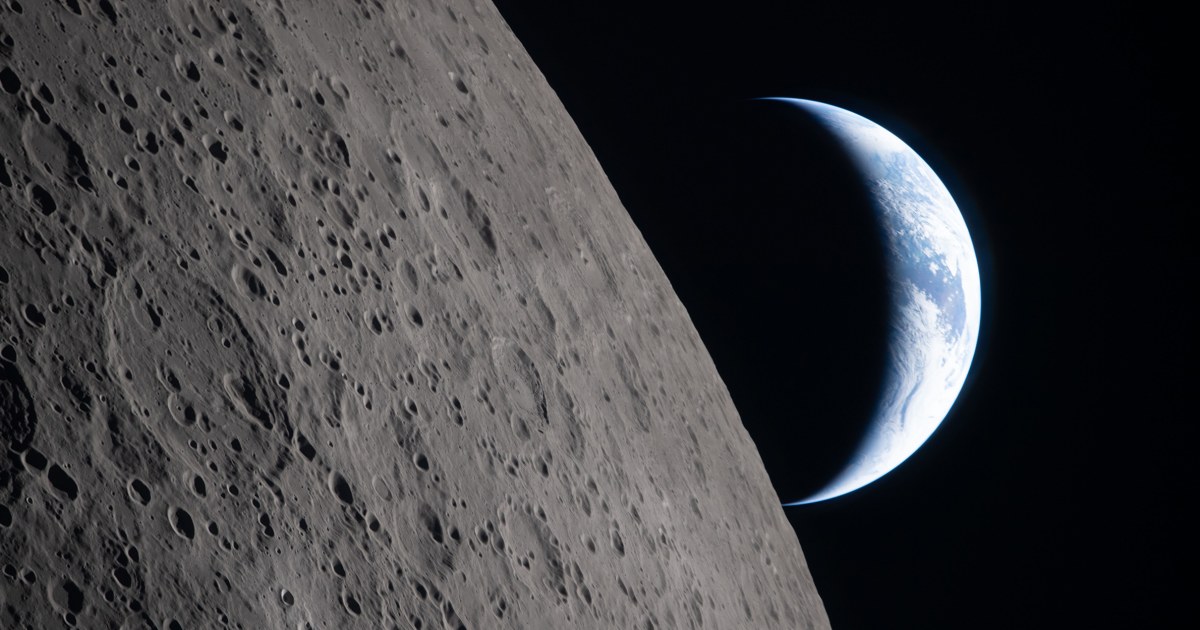
*TL;DR: NASA has made more than 12,000 Artemis II photos publicly available, and a new animated composite of the mission’s “Hello, world” images has been shared online.
Context Last month, Artemis II became the first crewed flight to travel beyond low‑Earth orbit since Apollo. While a handful of striking photos were released during the flight, the full archive remained closed until the weekend.
Key Facts - NASA uploaded the complete set of 12,000+ images to the Gateway to Astronaut Photography, a public repository for space‑flight photography. - The crew captured the pictures with three devices: a Nikon D5 DSLR, a Nikon Z9 mirrorless camera, and an iPhone 17 s smartphone. Each device contributed different perspectives, from high‑resolution stills to quick‑capture video frames. - Among the newly released material are dozens of shots from the “Hello, world” sequence, originally taken by Commander Reid Wiseman as Orion departed Earth. - On Wednesday, image‑processor Andy Saunders posted an animated composite that stitches the sequence into a fluid visual, highlighting the spacecraft’s gradual turn away from the planet.
What It Means The expanded archive offers scientists, educators, and the public a richer visual record of humanity’s return to lunar exploration. High‑resolution Nikon D5 images can support surface‑feature analysis, while the Z9’s fast‑shoot capabilities capture dynamic moments such as thruster firings. The iPhone footage provides a consumer‑grade view that may inspire broader public engagement.
Saunders’ animation demonstrates how archival data can be repurposed for outreach, turning raw frames into a narrative that conveys the mission’s motion and scale. By making the full image set available, NASA enables independent research, such as tracking spacecraft orientation or studying Earth’s limb glow during ascent.
Looking Ahead Future Artemis missions will generate even larger image libraries. Monitoring how NASA curates and shares these data will reveal the agency’s strategy for public access and scientific exploitation of visual assets.
Continue reading
More in this thread
Gibraltar Signs 25‑Year Deal with Eco Waters to End Raw Sewage Discharge
Dr. Leo Tanaka
Morocco and Norway Sign Deal to Deploy 2 GW Renewables and Cut 10 Mt CO₂ by 2030
Dr. Leo Tanaka
Morocco‑Norway Carbon Deal Targets 2 GW Renewables and 10 Mt CO₂ Cut by 2030
Dr. Leo Tanaka
Conversation
Reader notes
Loading comments...