Narrow Weather Window Threatens Evacuation of Hantavirus‑Hit Cruise Ship
A single midday slot on Sunday is the only chance to evacuate the MV Hondius before worsening seas force a delay until May.
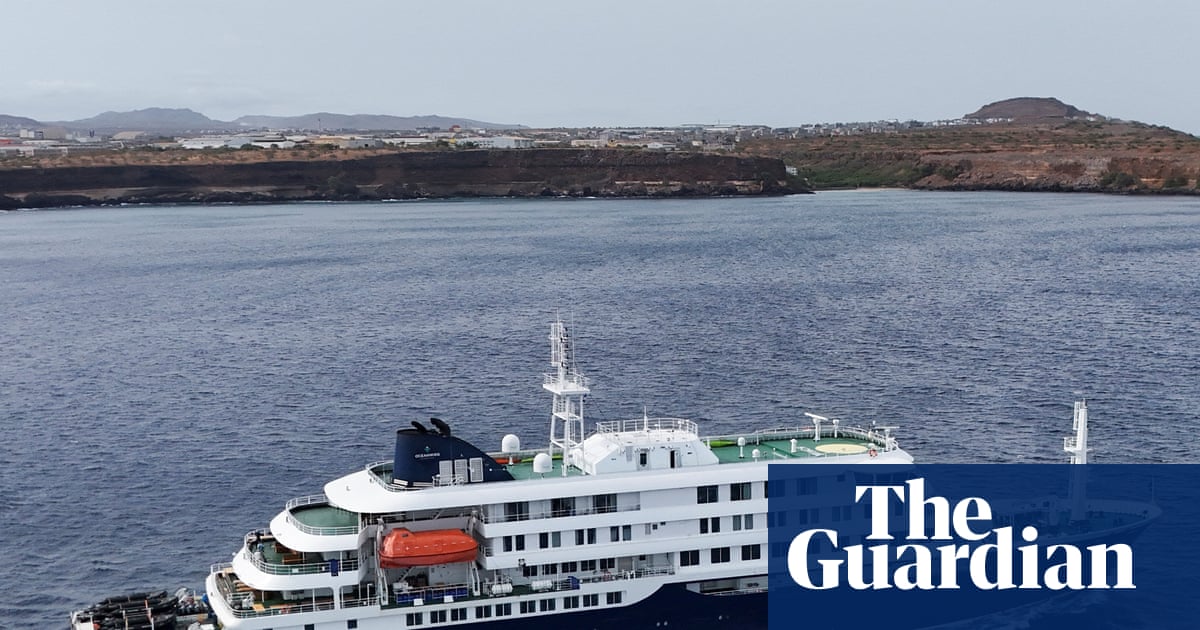
*TL;DR: The MV Hondius must be evacuated around noon Sunday or bad weather will push the operation back to the end of May.
Context The Dutch‑flagged cruise liner MV Hondius is set to anchor off Granadilla, Tenerife, early Sunday after sailing from Argentina to Cape Verde. Health officials have declared the evacuation of its 149 passengers and crew an “unprecedented operation” linked to a 23‑country hantavirus alert. The World Health Organization (WHO) classifies the virus as low‑risk for the general public because it spreads only through very close contact.
Key Facts - Regional spokesperson Alfonso Cabello warned that the only viable window is around 12:00 p.m. Sunday; wind and swell will make any later attempt impossible until at least the end of May. - Spanish Health Minister Mónica García called the effort “unprecedented,” noting coordination with the WHO and the need to assess, isolate, and repatriate all aboard. - Three deaths have occurred on the ship—a Dutch couple and a German national—while four confirmed cases are receiving treatment in the Netherlands, South Africa and Switzerland. - Two possible new cases are under investigation: a British national on Tristan da Cunha and a woman in Alicante who shared a flight with a Dutch patient. - Non‑Spanish passengers without urgent medical needs will be flown home even if symptomatic, following international protocols that prioritize quarantine only for those requiring immediate care.
What It Means The tight timeline forces a rapid, coordinated response. Medical teams will board the anchored vessel, screen each individual, and transport the 14 Spanish nationals to a military hospital in Madrid for compulsory quarantine. All other passengers will be moved to aircraft for repatriation, minimizing contact with the local population.
Hantavirus, specifically the Andes strain, is known to transmit through close, often symptomatic, contact. Existing cohort studies from Argentine outbreaks suggest person‑to‑person spread is rare and usually limited to household settings. No randomized controlled trial (RCT) exists for treatment, so care remains supportive.
For travelers, the practical takeaway is clear: avoid close, prolonged contact with anyone showing hantavirus symptoms and follow any quarantine instructions from health authorities. The WHO’s assessment that the outbreak poses “absolutely low” risk to the public remains unchanged, but contact‑tracing teams are extending their window to two days before symptom onset as a precaution.
Looking ahead, authorities will monitor weather forecasts and sea conditions closely; any shift could force a postponement, extending the quarantine period for those on board and complicating international repatriation efforts.
Continue reading
More in this thread
Hantavirus Claims Three Lives on Luxury Cruise Ship Hondius
Dr. Priya Sharma
Arisa Health to Close Clinics in 41 Arkansas Counties After $4.4 Million Funding Loss
Dr. Priya Sharma
Arisa Health Cuts Mental Health Services Across 41 Counties After $4.4M Funding Loss
Dr. Priya Sharma
Conversation
Reader notes
Loading comments...