Naira Holds at ₦1,360/$ Officially, Parallel Market at ₦1,400‑₦1,480/$ on April 29
On April 29, 2026, Nigeria's official naira rate steadied at ₦1,360 per dollar while the parallel market ranged between ₦1,400 and ₦1,480.
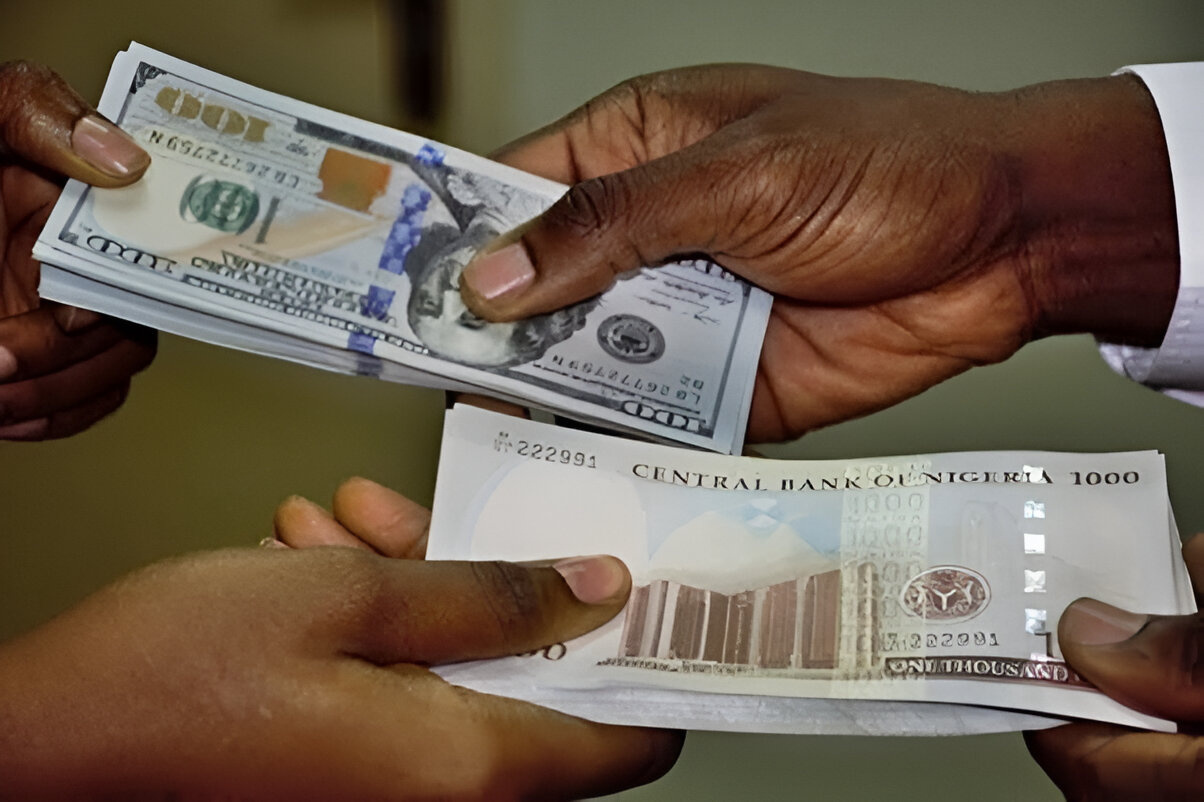
“Naira vs Dollar: Calm at ₦1,360… But Black Market Surge Signals Brewing Storm
TL;DR: The official naira rate steadied at ₦1,360 per US dollar on April 29, 2026, while the parallel market quoted between ₦1,400 and ₦1,480 per dollar.
Context Nigeria’s foreign exchange system splits into an official window, the Nigerian Foreign Exchange Market (NFEM), and an informal or parallel market. The NFEM sets the rate used for most corporate and government transactions, while the parallel market serves importers, travelers, and individuals who cannot access formal channels. Recent sessions have shown the official rate hovering in the mid‑₦1,350 to ₦1,360 band, a range supported by central bank interventions and limited dollar inflows.
Key Facts - On April 29, the NFEM quoted the naira at roughly ₦1,360 per US dollar, a marginal move from the previous day’s ₦1,360.19/$. - The parallel market price varied between ₦1,400 and ₦1,480 per dollar, reflecting higher demand for foreign currency outside the official channel. - The persistent spread between the two rates stems from unmet dollar demand among importers, travelers, and people lacking formal banking access. - No major policy shift was announced on the day, and trading volume remained modest, indicating a cautious market sentiment.
What It Means The narrow movement in the official rate suggests that recent central bank measures—such as selective dollar sales and tightened import licensing—are containing volatility at the NFEM. However, the parallel market’s broader band signals that demand for dollars still outstrips supply in the informal sector. Importers relying on the black market may face higher costs, potentially squeezing profit margins and feeding through to consumer prices.
The dual‑rate environment creates arbitrage opportunities for traders who can move funds between the two markets, but regulatory risk remains high. Continued pressure on the parallel market could prompt the Central Bank of Nigeria to adjust its foreign exchange allocation formula or expand access to formal channels, actions that would narrow the spread.
Looking Ahead Watch for any central bank announcements on dollar allocation policy and for shifts in import demand that could tighten the parallel market premium in the coming weeks.
Continue reading
More in this thread
GTCO Declares Record N12.76 Dividend and Secures Historic London Stock Exchange Listing
David Amara
JPMorgan Chase Becomes First Global Banking Partner for LA28 and French Alps 2030 Olympics
David Amara
Naira Holds at ₦1,360 Official Rate as Parallel Market Slides to ₦1,400‑₦1,480
David Amara
Conversation
Reader notes
Loading comments...