Myanmar Military Triples Pad Prices While Banning Them Over Rebel Use Claims
Junta claims rebels use sanitary pads for medical aid, driving black‑market prices from 3,000 to 9,000 kyat per pack amid a civil war that has displaced over 3.5 million people.
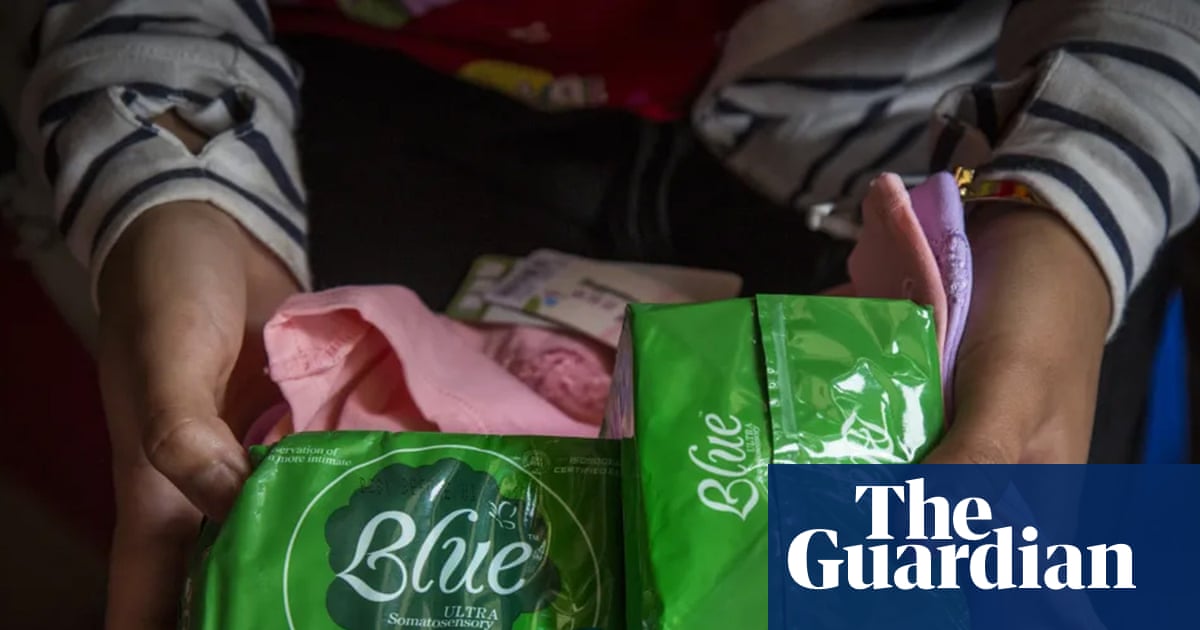
**TL;DR** Myanmar’s military has banned the distribution of sanitary pads, claiming rebels use them for medical purposes, while the black‑market price has jumped from 3,000 to 9,000 kyat per pack.
## Context Since the 2021 coup, Myanmar has been locked in civil war, with artillery fire, township burnings and arbitrary arrests becoming common. Over 3.5 million people have been displaced into temporary camps. The junta’s “four cuts” strategy seeks to deprive insurgents of food, funds, intelligence and recruits, and the pad ban is presented as part of that effort. Menstruation remains a taboo subject, which activists say limits open discussion of the restriction. Transporting pads across the bridge linking Sagaing and Mandalay, the country’s second‑largest city, is completely prohibited.
## Key Facts Military officials say resistance fighters use menstrual products to treat wounds and to absorb sweat and blood in their boots. On the hidden market, a pack of sanitary pads now costs 9,000 kyat, up from 3,000 kyat—a threefold increase. The minimum daily wage in Myanmar is 7,800 kyat, meaning a single pack exceeds a day’s earnings for many workers. Alternative products such as cups and tampons are rare, and reusable pads are difficult to clean due to scarce washing water.
## What It Means Women in displacement camps report using rags, leaves or newspaper, which can cause urinary and reproductive tract infections. Aid groups have begun distributing reusable pads, but limited washing water raises infection risks. Activists have told the United Nations that the ban constitutes a human rights violation, arguing it limits women’s mobility and participation in political life. The health system has collapsed, making medical attention hard to find, and organizations report rising requests for antibiotics to treat infections linked to unsafe alternatives.
**What to watch next:** Whether international pressure or local advocacy will lead to a reversal of the ban, or if alternative supply chains for menstrual hygiene emerge in the conflict zones.
Conversation
Reader notes
Loading comments...