Mouse Plague Escalates in Western Australia's Grain Belt
Western Australia's grain belt reports 3,000-4,000 mouse burrows per hectare, exceeding plague levels. South Australia also sees rising numbers, threatening crops.
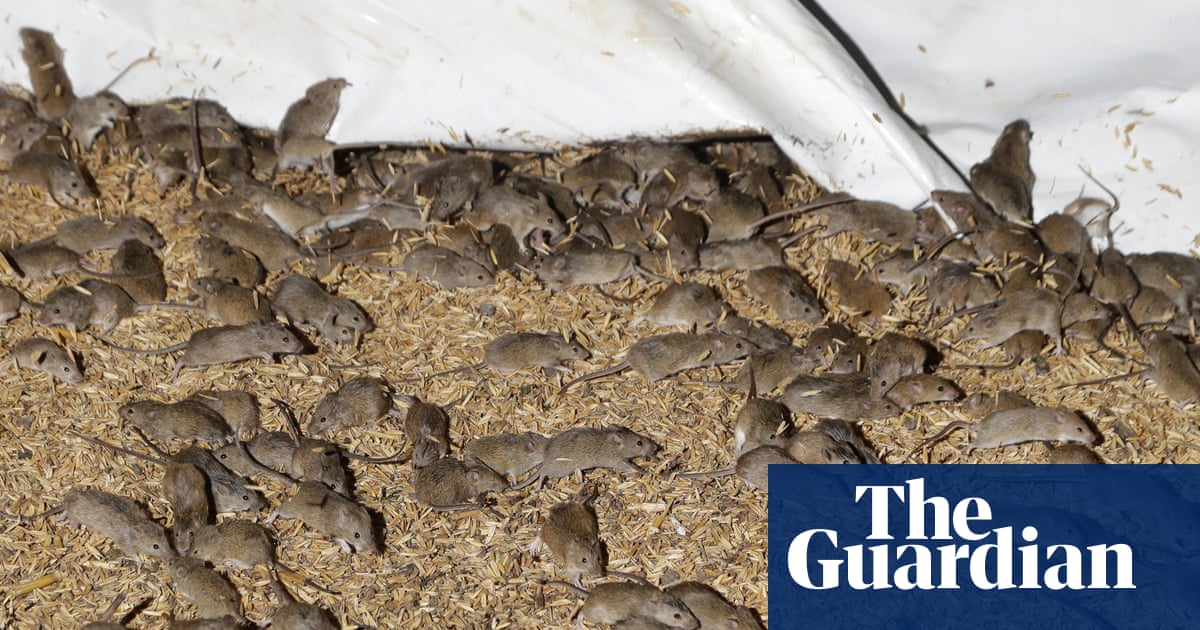
Mouse populations in Western Australia's grain belt now exceed plague thresholds, with high numbers also emerging in South Australia. This surge threatens agricultural production and farmer well-being.
Grain growers across Western Australia face an escalating mouse plague, with reports indicating rising numbers in South Australia. This development raises concerns for crop damage and economic impact. Historically, significant outbreaks often follow several years of lower-than-average rainfall, succeeded by periods of rain that provide abundant food for rapid breeding. Female mice contribute to rapid escalation, capable of producing up to 10 offspring every 19 to 21 days, starting breeding from six weeks old.
A mouse density exceeding 800 mice per hectare officially defines a plague. Current reports from Western Australia's affected regions, notably around Geraldton and the southern wheatbelt, indicate 3,000 to 4,000 mouse burrows per hectare. This density significantly surpasses the plague threshold. Furthermore, conditions on the Adelaide plains are already "extremely high." The 2020-21 mouse plague in eastern Australia resulted in an estimated $1 billion in damages, highlighting the potential economic threat and scale of previous outbreaks.
Farmers now confront an additional challenge alongside existing pressures from global events affecting fuel and fertiliser costs. Mouse plagues create profound psychological impacts; unlike other agricultural issues, mice often invade homes, offering no respite. Grain Producers Australia advocates for access to stronger zinc phosphide mouse baits, stating that current ZP25 strength does not achieve adequate control in paddocks. Seeding is currently underway, making timely and effective bait application critical to protect newly planted crops. Experts advise continuous monitoring of mouse activity, considering bait application during seeding in high-activity areas, and reducing alternative food sources. This integrated approach aims to mitigate potential crop losses and broader agricultural disruption. The situation demands close attention as its impact on the agricultural sector develops.
Continue reading
More in this thread
Conversation
Reader notes
Loading comments...