Missile Strike Kills 24 in Kyiv as Russia and Ukraine Exchange 205 Prisoners
At least 24 people, including three children, died in a Russian missile strike on a Kyiv building. Kyiv and Moscow exchanged 205 prisoners of war each, marking the first step of a planned 1,000-for-1,000 swap.
TL;DR
At least 24 people, including three children, died when a Russian missile struck a Kyiv building, while Kyiv and Moscow exchanged 205 prisoners of war each as the first step of a larger 1,000-for-1,000 swap.
Context
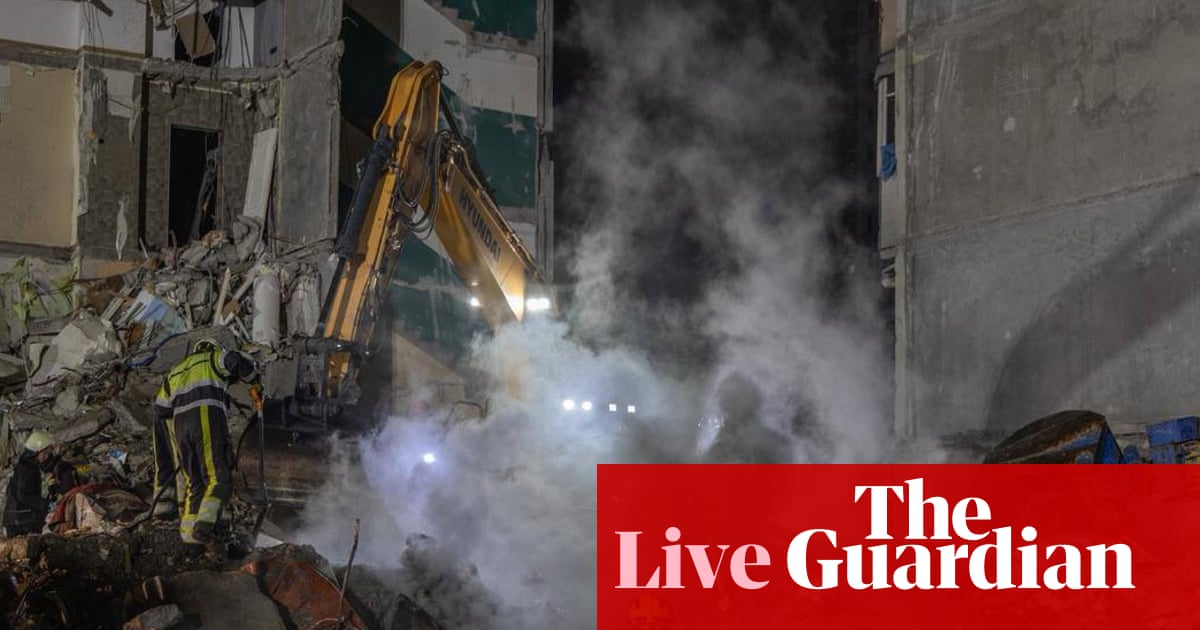
On 15 May 2026, Russian forces fired a missile that struck a residential building in central Kyiv. The impact caused the collapse of an entire wing of the structure, sending concrete and steel into the street below. Emergency services arrived within minutes and worked through the night to search for survivors and recover bodies. Local officials said the attack ranks among the deadliest on the capital since Russia’s full‑scale invasion began in February 2022. The Ukrainian Ministry of Foreign Affairs labelled the strike a grave violation of international humanitarian law, noting the high proportion of civilian casualties.
Key Facts
President Volodymyr Zelenskyy confirmed that at least 24 people were killed, three of them children. He said the missile “practically demolished an entire section of the building.” The strike involved a long‑range missile, a weapon that travels beyond the line of sight and can hit targets hundreds of kilometres away. Such munitions are typically guided by satellite or inertial navigation systems. Separately, the defence ministries of Russia and Ukraine reported a reciprocal exchange of 205 prisoners of war each. Officials described the swap as the first installment of a broader agreement to exchange 1,000 captives for 1,000.
What It Means
The missile strike highlights the ongoing risk to civilians living near the front line, where urban areas remain within reach of Russian long‑range firepower. It raises questions about the effectiveness of current air‑defence coverage over Kyiv. While the prisoner exchange is modest compared with the total number of captives held, it reopens a limited line of communication between the two militaries and may alleviate some humanitarian concerns for families of the detained. International observers, including the United Nations, have called for both sides to respect the distinction between military objectives and civilian objects. Any future attacks that cause high civilian loss could trigger further diplomatic scrutiny. Analysts will monitor whether additional prisoner swaps are announced and whether Russia adjusts its targeting patterns in response to battlefield developments or diplomatic pressure. What to watch next: any statements from Kyiv or Moscow regarding further exchanges or changes in missile use that could affect civilian casualty trends.
Continue reading
More in this thread
Conversation
Reader notes
Loading comments...