Minnesota Senate Passes ICE Accountability Bill by One Vote
Minnesota Senate narrowly approves a bill banning masks for federal immigration agents and requiring state oversight of officer-involved shootings.
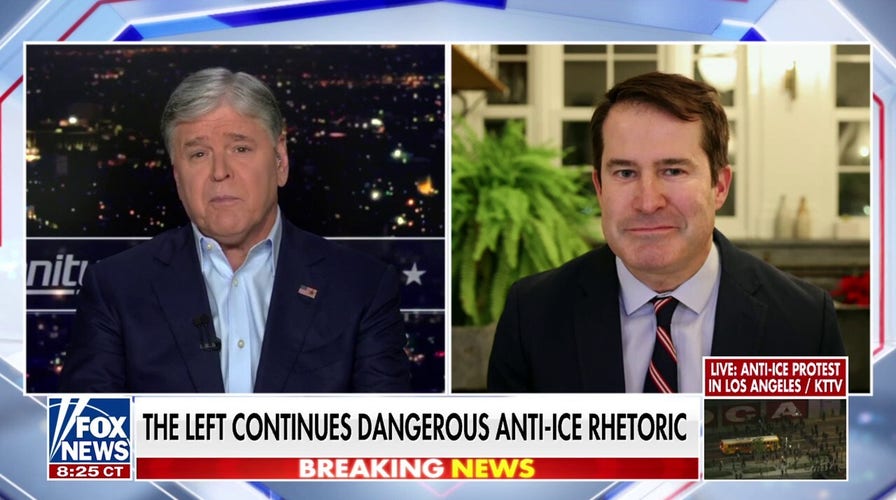
Democratic rep says ICE officers in masks are ‘cowards’ who think they're above the law
*TL;DR: Minnesota’s Senate approved the ICE Accountability and Justice bill by a 34‑33 margin, extending a mask ban to federal immigration agents and mandating state oversight of officer‑involved shootings.
Context The legislation emerged after Operation Metro Surge, a federal immigration enforcement sweep that local officials described as a wave of civil‑rights violations. State lawmakers framed the bill as a response to what they called “unprecedented abuse” by federal agents operating in schools, hospitals and courthouses.
Key Facts - The Senate vote was 34‑33, reflecting a sharply divided chamber. - The bill expands an existing prohibition on face coverings, now applying to federal immigration officers as well as state law‑enforcement personnel. - It creates a right for residents to sue for monetary damages if federal agents breach constitutional or civil rights. - The Minnesota Bureau of Criminal Apprehension (BCA) must investigate any shooting that results in a Minnesota resident’s death, even when a federal agent is involved. - A duty‑to‑intervene clause obligates law‑enforcement officers to assist injured individuals once a threat is neutralized. - Protections extend to daycares, schools, hospitals and courthouses, shielding these essential spaces from unlawful immigration raids. - Senator Ron Latz, the bill’s chief author, said Minnesotans endured “unprecedented abuse, violence, and chaos” during the federal operation and must see accountability.
What It Means The narrow passage signals a new frontier in state‑federal tension over immigration enforcement. By banning masks, the law aims to make federal agents more identifiable during operations, potentially deterring misconduct. Requiring BCA involvement in shootings could lead to more transparent investigations, though federal agencies may contest state jurisdiction.
The monetary‑damages provision gives individuals a civil‑law tool to seek compensation, adding financial risk to unlawful raids. The duty‑to‑intervene clause could reshape how local police respond when federal agents are present, fostering cooperation but also raising questions about resource allocation.
Implementation will test the balance between state authority and federal immunity claims. Legal challenges are likely, especially concerning the mask ban and the BCA’s investigative reach. Watch for court rulings on the bill’s constitutionality and for any federal response that could alter enforcement practices in Minnesota.
Looking ahead, monitor how Minnesota’s courts interpret the new safeguards and whether other states adopt similar measures to curb federal immigration enforcement actions.
Continue reading
More in this thread
Conversation
Reader notes
Loading comments...