Minnesota Senate Unanimously Bans Nudification Apps Amid Deepfake Surge
Minnesota becomes the first state to ban nudification apps as AI-generated sexual deepfakes surge, allowing civil suits and hefty fines.
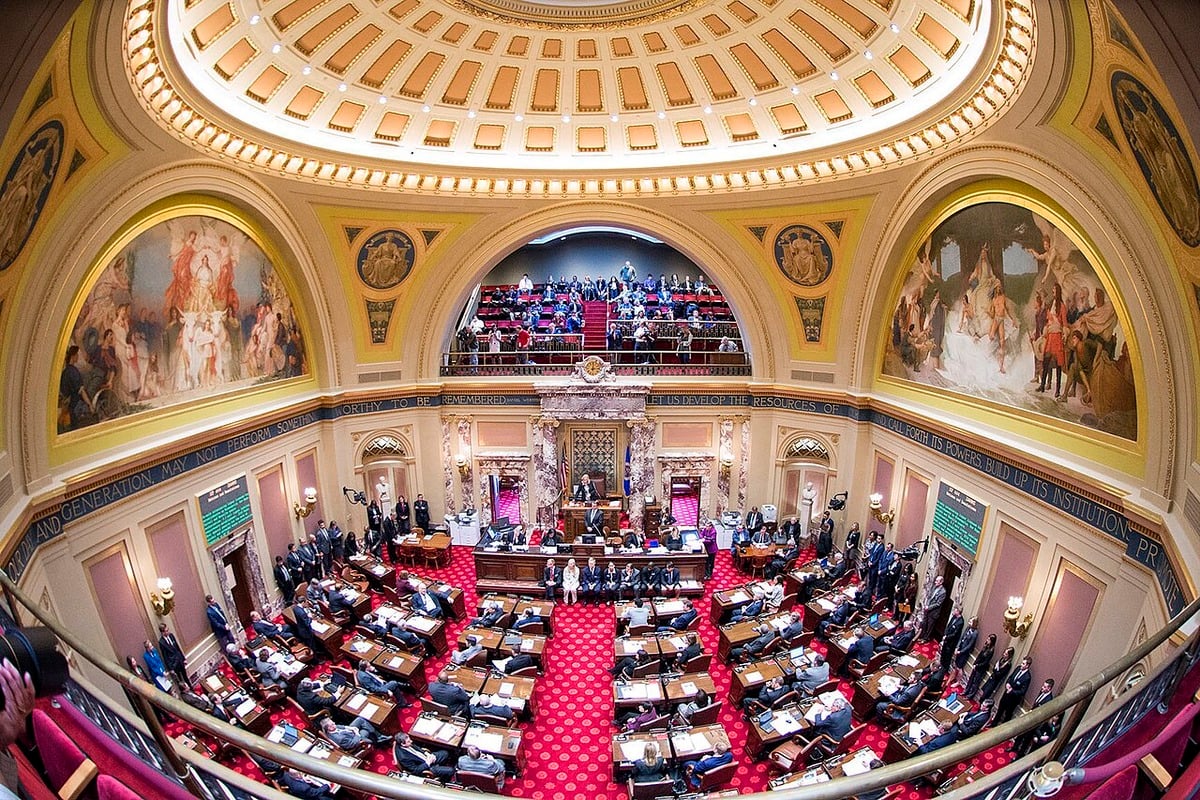
TL;DR: Minnesota’s Senate voted 65‑0 to outlaw nudification apps, the nation’s first such ban, as AI‑generated sexual deepfakes surge.
Context The state legislature moved quickly after a wave of AI‑generated sexual imagery exposed the ease of creating non‑consensual deepfakes. Advocacy groups, including RAINN, highlighted a rise in tech‑facilitated sexual abuse, prompting lawmakers to act before the governor’s signature.
Key Facts - The Senate approved the ban with a unanimous vote, making Minnesota the first state to prohibit websites or apps that digitally undress clothed photos using generative AI. - The measure follows a nine‑day episode in which the chatbot Grok produced over 1.8 million sexualized images of women, according to reporting from major news outlets and digital‑hate monitoring groups. - A CDC survey found that 1 in 10 women experienced tech‑facilitated sexual abuse in the past year, and 1 in 3 reported such abuse at some point in their lives. - The accompanying House bill (File 1606) would let victims sue app owners for damages and authorize the attorney general to levy $500,000 fines per violation. - Major platforms Google and Apple already block nudification apps from their stores, yet research shows the apps remain reachable through other channels, and Meta still permits advertising on Facebook and Instagram. - Indicator tracked 23 deepfake abuse cases in U.S. schools since 2023, underscoring the tools’ accessibility to minors.
What It Means The ban targets the creation stage of non‑consensual deepfakes, aiming to cut off the supply chain that fuels digital sexual violence. By allowing civil suits and imposing steep fines, Minnesota seeks to create a deterrent where federal legislation has stalled; the DEFIANCE Act remains pending in Congress, and the Take It Down Act, while criminalizing distribution, offers no civil remedy.
Survivors like Molly Kelley, whose family friend used a nudification site to generate images of 80 women, illustrate the gap in existing laws. Because the images never left the perpetrator’s computer, neither revenge‑porn statutes nor federal criminal provisions applied, leaving victims without recourse.
If Governor Tim Walz signs the bill, Minnesota will set a legal precedent that other states may follow. Tech companies will face pressure to tighten app store policies and advertising standards, while lawmakers nationwide watch for legislative ripple effects.
What to watch next: Legislative attempts in other states to replicate Minnesota’s ban and any federal action on the DEFIANCE Act or broader deepfake regulation.
Continue reading
More in this thread
Conversation
Reader notes
Loading comments...