Minnesota House Passes HOA Bill of Rights Requiring Competitive Bids Over $50,000
Minnesota's House passed a bill forcing HOAs to get multiple bids for contracts above $50,000, aiming to boost transparency and protect homeowners.
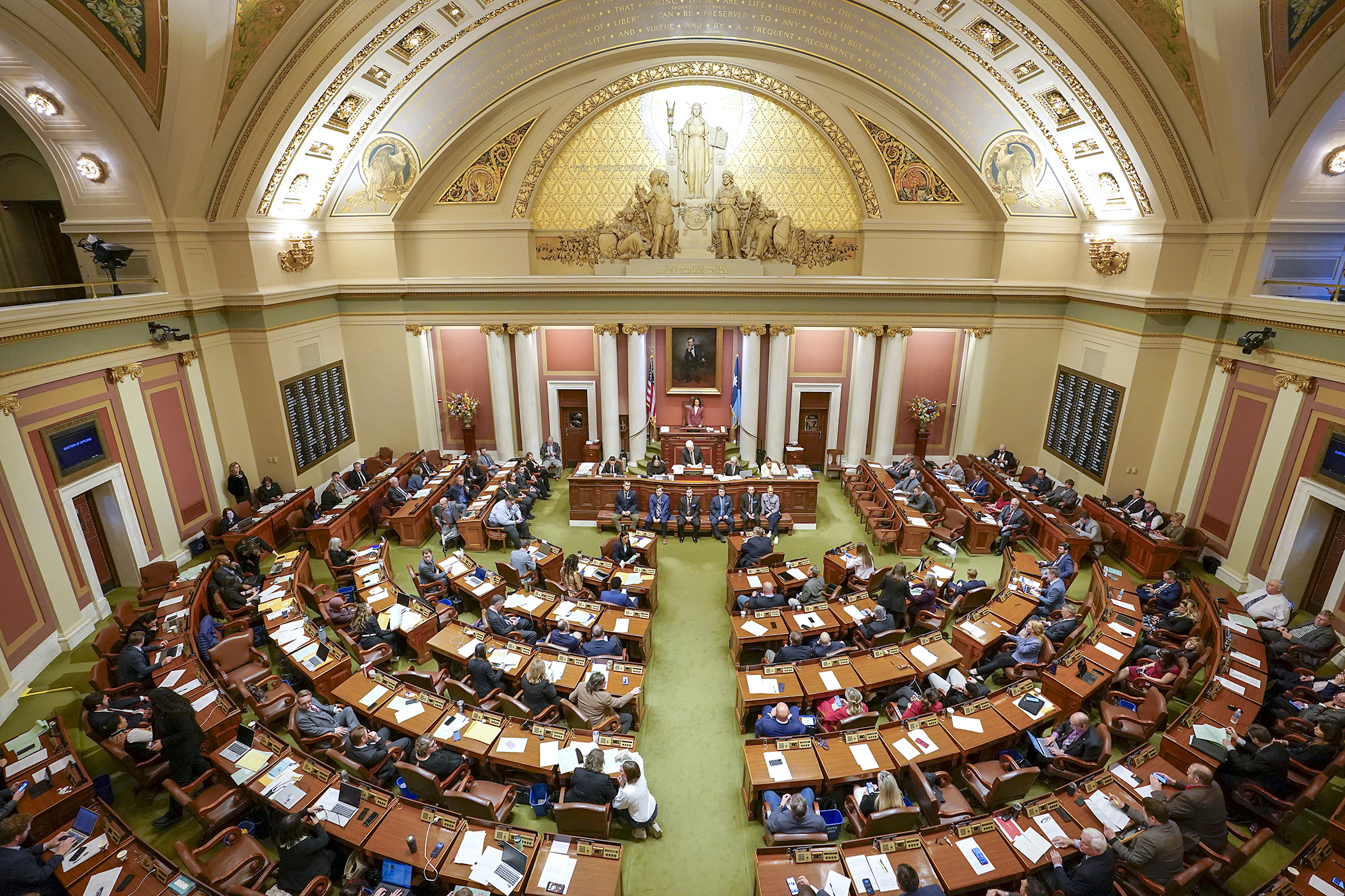
The Minnesota House of Representatives in session Feb. 6, 2025. (Photo by Michele Jokinen)
TL;DR
Minnesota’s House approved the Homeowners Association Bill of Rights, forcing HOAs to obtain at least three bids for any contract exceeding $50,000.
Context The legislation, known as SF 1750, cleared the Senate last year before being amended and sent to the House. Lawmakers framed the measure as a balance between homeowner protections and board flexibility. The bill now moves toward final Senate approval or a conference committee.
Key Facts - The bill obliges homeowners associations to solicit multiple competitive bids for contracts over $50,000, a threshold designed to curb unchecked spending. - It codifies best‑practice standards for open meetings, notice requirements, and homeowner access to documents before major decisions. - Homeowners gain the right to request a list of potential fines and fees, and the law bans conflicts of interest and kickbacks. - Protections were added to prevent foreclosure over minor fines, reinforcing the view of a home as a primary asset. - Rep. Kristin Bahner, the bill’s author, noted that HOA growth has surged in the past decade and that the legislation “rebalance[s] the scales” by enhancing transparency and safeguarding the largest asset most Minnesotans own.
What It Means HOA boards will now need to conduct a formal bidding process for large projects, from landscaping contracts to security upgrades. This requirement should drive down costs and give homeowners clearer insight into how association fees are spent. By mandating disclosure of fines and prohibiting kickbacks, the bill also aims to reduce the risk of financial abuse within community associations.
The measure enjoys bipartisan support, reflecting broad concern over unchecked HOA authority. If the Senate concurs or a conference resolves differences, the law could take effect next legislative session, setting a new standard for homeowner‑association governance across the state.
What to watch next Monitor the Senate’s response and any amendments that could reshape the bidding thresholds or enforcement mechanisms.
Continue reading
More in this thread
Peru-U.S. Relations Hit 200‑Year High as Ambassador Cites Blueberry Trade and FTA Legacy
Nadia Okafor
Bard President Leon Botstein Resigns After Review Uncovers 25 Epstein House Visits and Satan Quote
Nadia Okafor
Geetha Jeevan Wins Thoothukkudi with Record 92,314 Votes, 50k Margin
Nadia Okafor
Conversation
Reader notes
Loading comments...