Miami GP 2026 Returns to 90‑Minute FP1 as Teams Unveil Major Car Overhauls
Miami GP 2026 restores a 90‑minute FP1, sees Ferrari and Red Bull unveil revised cars, and introduces rule changes that could tighten the field.
TL;DR
The 2026 Miami Grand Prix restores a 90‑minute FP1, sees Ferrari and Red Bull test dramatically revised cars, and introduces rule tweaks that could compress the competitive gap.
Context Miami returns as a sprint weekend after a month‑long pause caused by the cancellation of the Bahrain and Saudi Arabian races. Teams used that downtime to re‑engineer their 2026 packages under new engine‑usage regulations. The weekend now combines a classic practice format with a wave of aerodynamic upgrades across the grid.
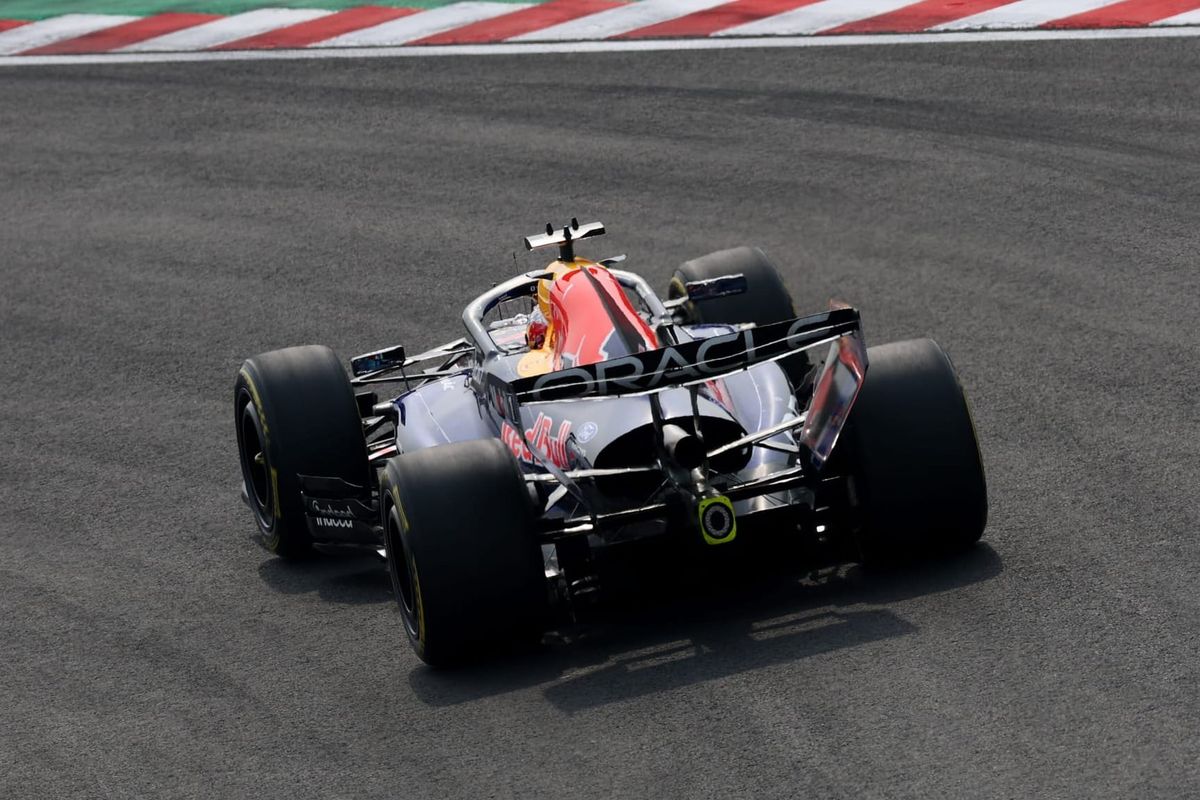
Key Facts - The opening free‑practice (FP1) will run for 90 minutes, the length used before 2020, giving engineers more track time to dial in the new packages. - Ferrari and Red Bull were spotted on filming days with heavily revised chassis, including Red Bull’s upside‑down rear wing—previously dubbed the “Macarena”—and updated front‑wing dive‑planes and sidepods. - McLaren and Racing Bulls will roll out staged upgrades; McLaren’s plan covers front and rear brake ducts, bodywork, floor and rear wing, effectively creating a new MCL40 for the weekend. - Team principal Fred Vasseur warned that small rule changes to battery recharge limits and electrical power deployment will favor some designs and disadvantage others, potentially shifting lap times by a few hundredths of a second. - Mercedes, which has excelled at extracting maximum battery performance, may see its advantage narrowed as the peak electrical output is reduced.
What It Means The longer FP1 gives all teams a better chance to validate aerodynamic concepts before qualifying, a crucial step given the scale of the upgrades. Ferrari’s and Red Bull’s aggressive revisions suggest they aim to reclaim dominance, while McLaren’s comprehensive package could close the gap to the front runners.
Rule adjustments target a flatter qualifying field by limiting extreme battery‑charging tactics. By capping the amount of electrical energy that can be deployed during a lap, the changes should reduce the advantage of teams that have optimized battery extraction, notably Mercedes. The expected outcome is a “slowly bunching up” of the field, with rivals staying closer to the leaders throughout the race.
The combination of a familiar practice window, bold car redesigns, and calibrated energy‑management rules sets the stage for a Miami GP that could reshape the early 2026 championship narrative.
What to watch next Monitor qualifying lap spreads for evidence of the intended field compression and watch how Ferrari’s and Red Bull’s new rear‑wing concepts perform under race conditions.
Continue reading
More in this thread
Conversation
Reader notes
Loading comments...