Meta Smart Glasses Sales Top Seven Million Amid Privacy Concerns and Facial Recognition Plans
Meta’s smart‑glass sales exceed seven million as the firm adds facial‑recognition features, sparking privacy debates and legal challenges.
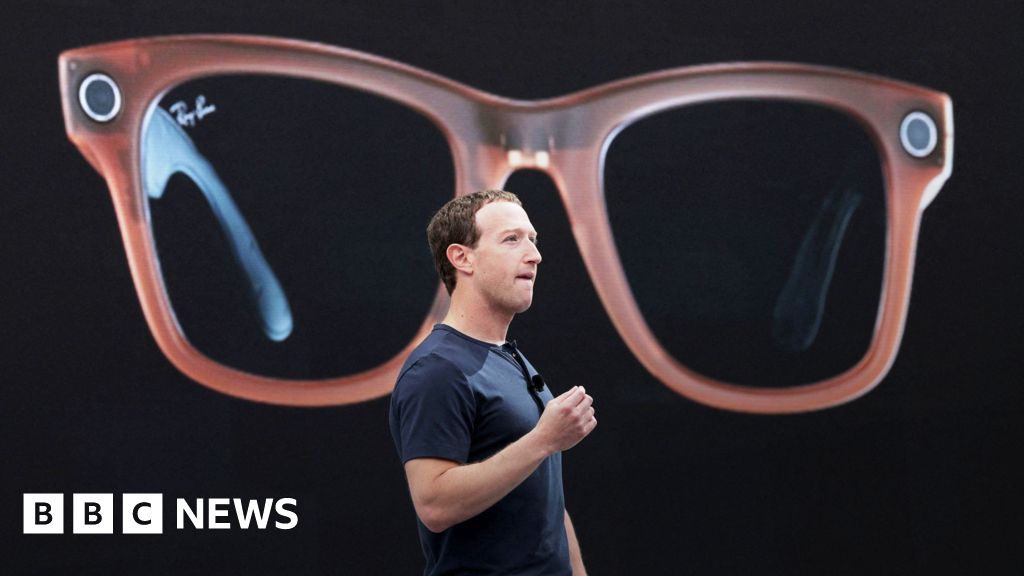
Meta CEO Mark Zuckerberg on a stage describing Meta's Ray-Bans, a large image of which is being shown behind him.
TL;DR
Meta says it has sold more than seven million pairs of its Ray‑Ban smart glasses, even as critics warn the devices enable covert filming. The company also announced plans to add facial‑recognition software that would let wearers identify people they record.
Context
Smart glasses look like ordinary eyeglasses but hide a tiny camera, speakers and a display. Made in partnership with EssilorLuxottica, the glasses retain the classic Ray‑Ban look while embedding the camera in the frame.
Users can start video or photo capture with a light touch on the frame. Because the recording light is faint, many bystanders do not realize they are being filmed.
Reports from the UK and elsewhere describe women being secretly recorded in public spaces, with the footage later shared online. Legal recourse is limited because filming in public is generally allowed, and Meta’s terms of service note that human reviewers may view some clips for AI training.
In Kenya, workers tasked with labeling video from the glasses said they were required to watch explicit content, prompting two lawsuits from users who claimed they were unaware their footage was being reviewed. Meta has stated that users were informed of possible human review in its terms of service, yet the litigation highlights gaps in transparency.
Key Facts
- Meta has sold over seven million pairs of its smart glasses, according to the company. - CEO Mark Zuckerberg called the glasses “some of the fastest‑growing consumer electronics in history.” - Meta plans to integrate facial recognition into the glasses, allowing wearers to identify individuals they capture on video.
What It Means
The sales figure shows strong consumer appetite for hands‑free audio and quick‑capture features, despite privacy worries. Adding facial recognition could amplify concerns about non‑consensual identification and tracking, potentially prompting stricter scrutiny from regulators and advocacy groups.
As Apple, Snap and Google prepare their own smart‑glass releases, the market may soon see tens of millions of similar devices in circulation. If millions of glasses gain facial‑recognition capability, enforcing bans on recording in places like courthouses, museums, hospitals and bathrooms could become increasingly difficult.
What to watch next: how regulators respond to facial‑recognition features in consumer wearables and whether competing products adopt similar safeguards.
Continue reading
More in this thread
Conversation
Reader notes
Loading comments...