Meta and Microsoft Scale Back Workforces, Anticipate AI Handling Half of Coding
Meta lays off 8,000, Microsoft offers retirement to 8,750. Both companies anticipate AI performing half their coding work within a year, signaling a major industry shift.
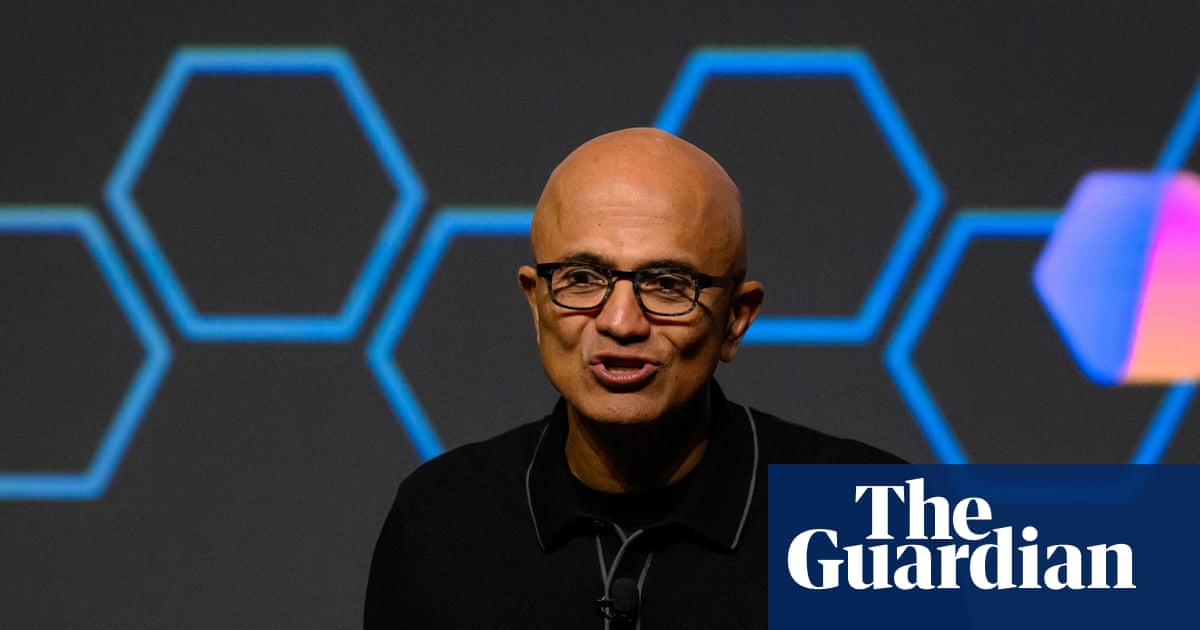
TL;DR
Meta is laying off nearly 8,000 employees and closing 6,000 open roles, while Microsoft offers voluntary retirement to approximately 8,750 U.S. staff, as both companies increase their reliance on artificial intelligence (AI) for development tasks.
Context The technology sector is undergoing significant transformation, marked by aggressive investments in artificial intelligence and strategic workforce adjustments. This industry-wide pivot reflects a growing executive belief in AI's capacity to enhance productivity and reshape operational structures. Companies are re-allocating capital and human resources to accelerate AI integration across various functions.
Key Facts Meta announced plans to reduce its workforce by just under 8,000 employees, representing about 10% of its total staff. The company will also close roughly 6,000 open positions, citing a need for increased efficiency. Concurrently, Microsoft informed its U.S. employees about a voluntary retirement program. This initiative will impact approximately 7% of its American workforce, which translates to about 8,750 employees.
Mark Zuckerberg, Meta's CEO, stated his expectation that AI will perform about half of Meta's internal development work within the coming year. He further projects this share will likely increase beyond that timeframe. These substantial workforce changes coincide with both companies making heavy investments in AI infrastructure and research, anticipating a paradigm shift in how work gets done.
What It Means These corporate decisions from two tech giants directly link substantial AI integration with evolving staffing models. Companies are re-evaluating human resource requirements as advanced AI tools demonstrate the capability to handle increasingly complex tasks, including core coding functions. This trend indicates a pronounced shift in capital allocation, focusing on AI-driven efficiency gains. It also suggests a changing landscape for tech professionals, particularly those in development roles. The coming months will reveal the full impact of these AI-driven strategies on corporate structures and employment trends within the global tech industry.
Continue reading
More in this thread
DeepSeek Releases V4 AI Model with 1 Million-Word Context, Trillion Parameters
Alex Mercer
AI stocks regain investor interest as Nasdaq rebounds 4.7% YTD after March correction
Alex Mercer
DeepSeek Unveils V4 AI Model with 1‑Million‑Word Context and 1.6‑Trillion‑Parameter Pro Version
Alex Mercer
Conversation
Reader notes
Loading comments...