Merz Vows to Keep US Ties Amid Troop Pullout and Iran Rift
German Chancellor Merz says transatlantic partnership with Trump stays strong despite US troop withdrawal and missile delays.
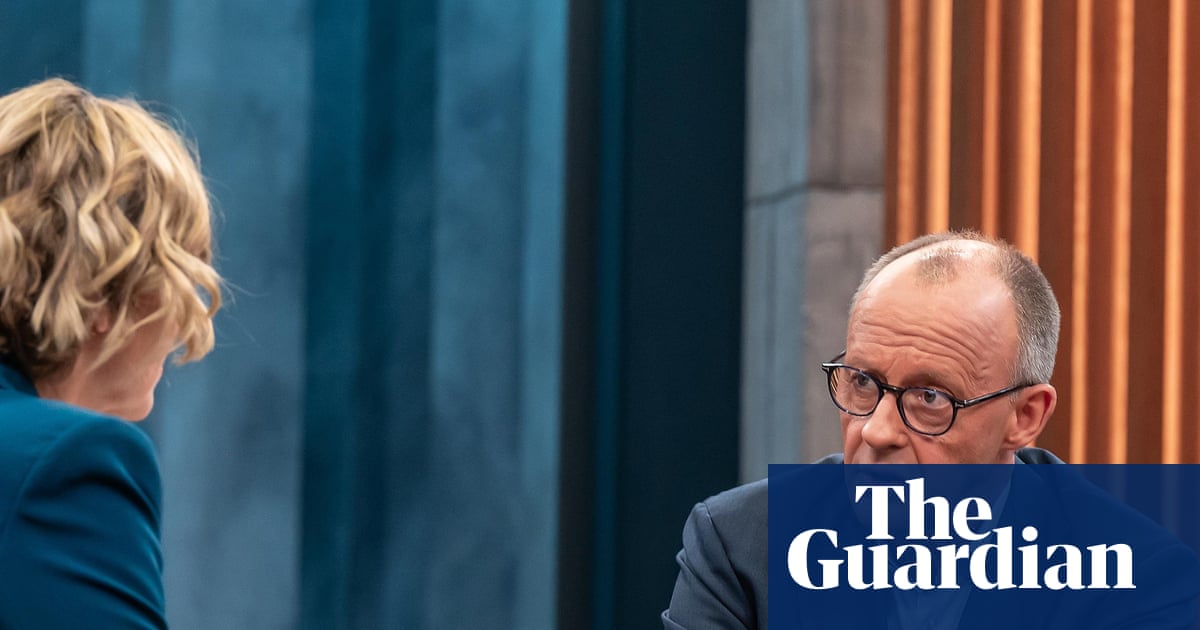
TL;DR: German Chancellor Friedrich Merz insists the United States stays Germany’s top NATO partner, even as Washington plans to withdraw 5,000 troops and pause Tomahawk missile deployments.
Context Merz addressed a national TV audience after a heated exchange with President Donald Trump over the war in Iran. The German leader emphasized continuity in the transatlantic relationship, despite recent diplomatic friction.
Key Facts - Merz told ARD that he will not abandon work on the transatlantic relationship or his cooperation with Trump. He framed the U.S. decision to pull 5,000 soldiers from German bases as expected, not a retaliatory move. - The chancellor noted that the United States currently lacks enough long‑range Tomahawk cruise missiles to station them in Germany, citing depleted stockpiles from the conflicts in Iran and Ukraine. - He added that while the missile deployment is on hold, the “train has not departed” for future cooperation, and NATO allies can still deter Russia without those weapons. - Merz acknowledged differing views on the Iran war but said both sides share the goal of preventing Iran from acquiring a nuclear weapon. He claimed Trump respects his right to dissent, even if the respect is “a little less for the moment.”
What It Means Merz’s statements aim to reassure European allies that the NATO bond with the United States remains intact, despite visible strains. By downplaying the troop drawdown as routine, he signals that Germany does not anticipate a broader strategic shift. The missile shortfall highlights the logistical impact of ongoing wars on U.S. conventional forces, potentially limiting Europe’s conventional deterrence options in the short term.
Looking ahead, the durability of the US‑German partnership will hinge on how Washington balances domestic military constraints with political pressure from European leaders critical of its Iran policy. Watch for any formal adjustments to NATO force posture and future statements from both Berlin and Washington.
Continue reading
More in this thread
Germany Reaffirms Support for Morocco’s Western Sahara Autonomy, Honors WWII Refugee Rescue, and Pushes Green Energy Ties
Nadia Okafor
China Blocks U.S. Sanctions on Five Petrochemical Firms
Nadia Okafor
Chalmers Rules Out Fuel Tax Extension and Limits on Further Cost‑of‑Living Relief
Nadia Okafor
Conversation
Reader notes
Loading comments...