McLaren Reverts to Old Front Wing After Canadian GP Sprint Qualifying Underperforms
McLaren drops its new front wing after poor sprint qualifying performance in Montreal, returning Norris and Piastri to the older design for the weekend.
TL;DR
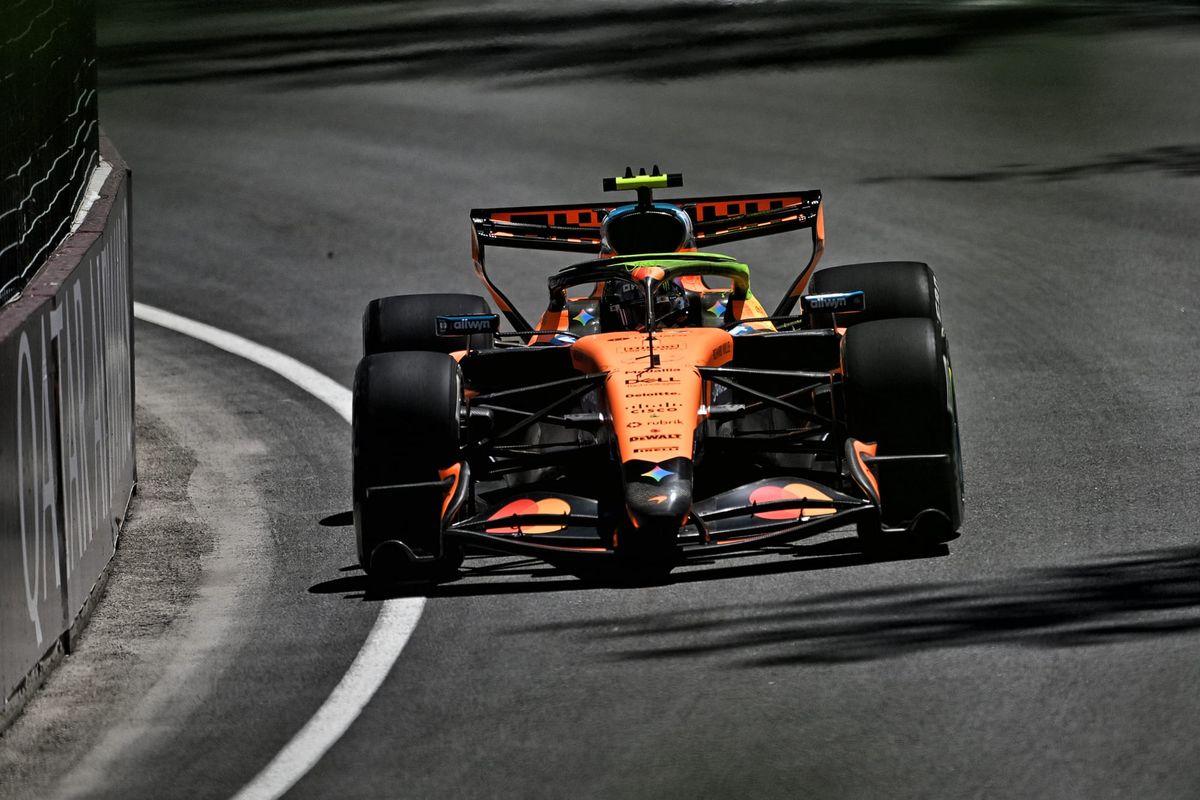
McLaren dropped its new front wing after it failed to lift performance in Montreal sprint qualifying, sending both drivers back to the older design for the rest of the weekend. The move highlights the team's struggle to translate wind‑tunnel gains into track‑time confidence.
Context McLaren arrived in Montreal with a second wave of upgrades meant to build on its Miami package. The new front wing was a centerpiece, intended to improve airflow and downforce. During Friday’s sole practice, Lando Norris ran the new specification while Oscar Piastri started with the old wing before switching. Both drivers reported discomfort with the new piece, prompting a switch to the older version for sprint qualifying. Engineers noted the wing’s shape altered the car’s overall aerodynamic balance, which affected other components.
Key Facts In sprint qualifying, Norris qualified third and Piastri fourth, and the team confirmed both will keep the older front wing for the remainder of the Canadian Grand Prix weekend. Technical director Neil Houldey said the front wing “wasn’t quite delivering what we expected” and that reverting gave the drivers more confidence and unlocked more performance. The decision was made after reviewing lap times and driver feedback, which showed a clear deficit compared to the previous specification. McLaren’s data indicated the new wing cost roughly two‑tenths of a second per lap in the sector where downforce matters most.
What It Means The decision shows McLaren’s upgrade process is still iterative; real‑world data can overturn wind‑tunnel predictions. By returning to the known wing, the team aims to secure points while it analyses why the new design underperformed. The rest of the upgrade package remains on the car, so engineers will isolate the wing’s effect before deciding on a reintroduction. This approach minimizes risk in a tightly contested midfield battle where every point counts. It also underscores the importance of correlating simulator work with on‑track feel, especially on low‑grip circuits like Montreal.
What to watch next Watch whether McLaren brings the new front wing back at the Barcelona round in late June, and how any further tweaks affect qualifying and race pace. The team’s next upgrade evaluation will hinge on whether the wing can be reconciled with the rest of the package without sacrificing driver confidence.
Continue reading
More in this thread
Conversation
Reader notes
Loading comments...