May Day ‘No School, No Work, No Shopping’ Blackout Set for 3,500 Events Across U.S.
Thousands are set to join a nationwide May Day ‘no school, no work, no shopping’ blackout featuring 3,500 events and 15 North Carolina districts granting teachers a day off for a public education rally.
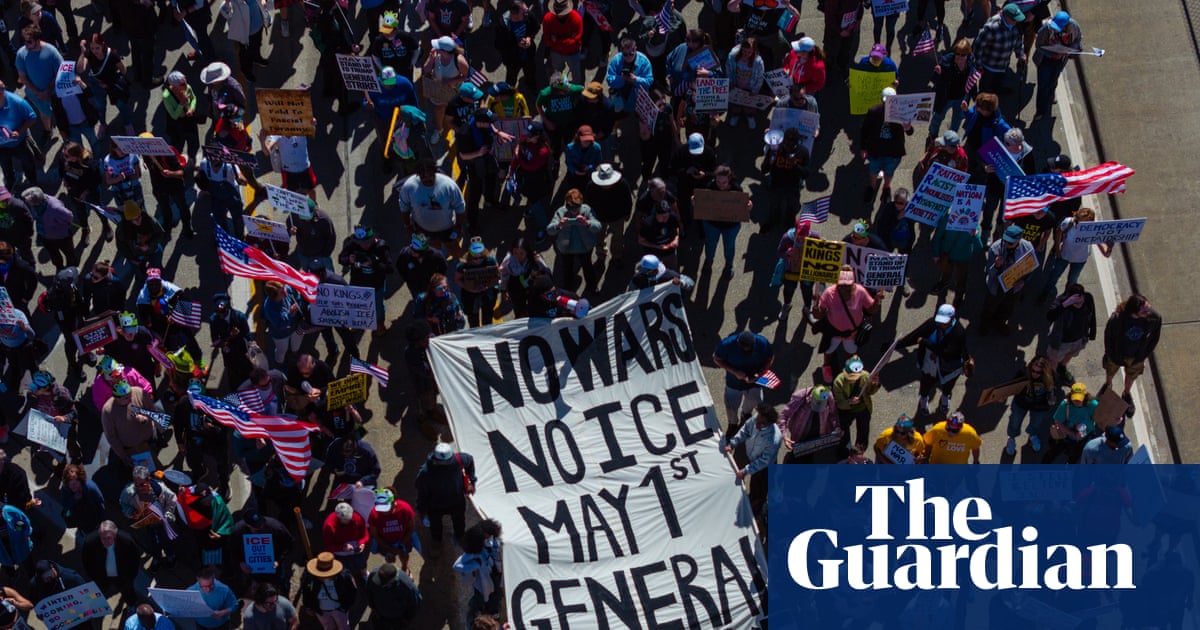
TL;DR: Thousands plan to join a nationwide “no school, no work, no shopping” blackout on May Day, with 3,500 events and 15 North Carolina districts giving teachers the day off. Organizers call the action a structure test for building greater non‑cooperation.
Context
May Day, observed each May 1, has long served as a rally point for labor and social justice movements. This year, a coalition of unions, immigrant rights groups, political organizations and student activists is framing the day as an economic blackout. The call is for participants to skip school, work and shopping, instead joining walkouts, marches, block parties and evening gatherings. The effort builds on a similar January action in Minnesota that drew tens of thousands to protest federal immigration enforcement.
Key Facts
- Organizers have scheduled 3,500 “May Day Strong” events across the United States. - Leah Greenberg of Indivisible described the blackout as a “structure test” that asks people to exert power as workers, students and organizers to build muscles for greater non‑cooperation. - At least 15 school districts in North Carolina have granted teachers a day off to attend a statewide “Kids Over Corporations” rally for public education funding.
What It Means
The blackout aims to demonstrate collective economic power by withdrawing participation from key sectors of daily life. By framing the day as a structure test, organizers hope to measure readiness for larger actions, such as a future general strike. The involvement of teachers and students highlights the broadening base beyond traditional labor unions. Observers will watch whether turnout matches the projected scale and whether any policy responses emerge from local or federal authorities. What to watch next: how participation numbers compare to previous May Day actions and whether the event sparks further coordinated actions later in 2025.
Continue reading
More in this thread
Conversation
Reader notes
Loading comments...