Mastercard AI Boosts Conversions by 15-20%, Raising Consumer Control Concerns
Mastercard's Shopping Muse AI increases conversion rates by 15-20%, but shoppers worry about losing autonomy. Explore AI's retail impact.
TL;DR
Mastercard's Shopping Muse AI boosts online conversion rates by 15% to 20%, demonstrating efficiency gains in e-commerce. This success unfolds as consumer apprehension grows regarding AI's role in personal shopping choices and potential missteps.
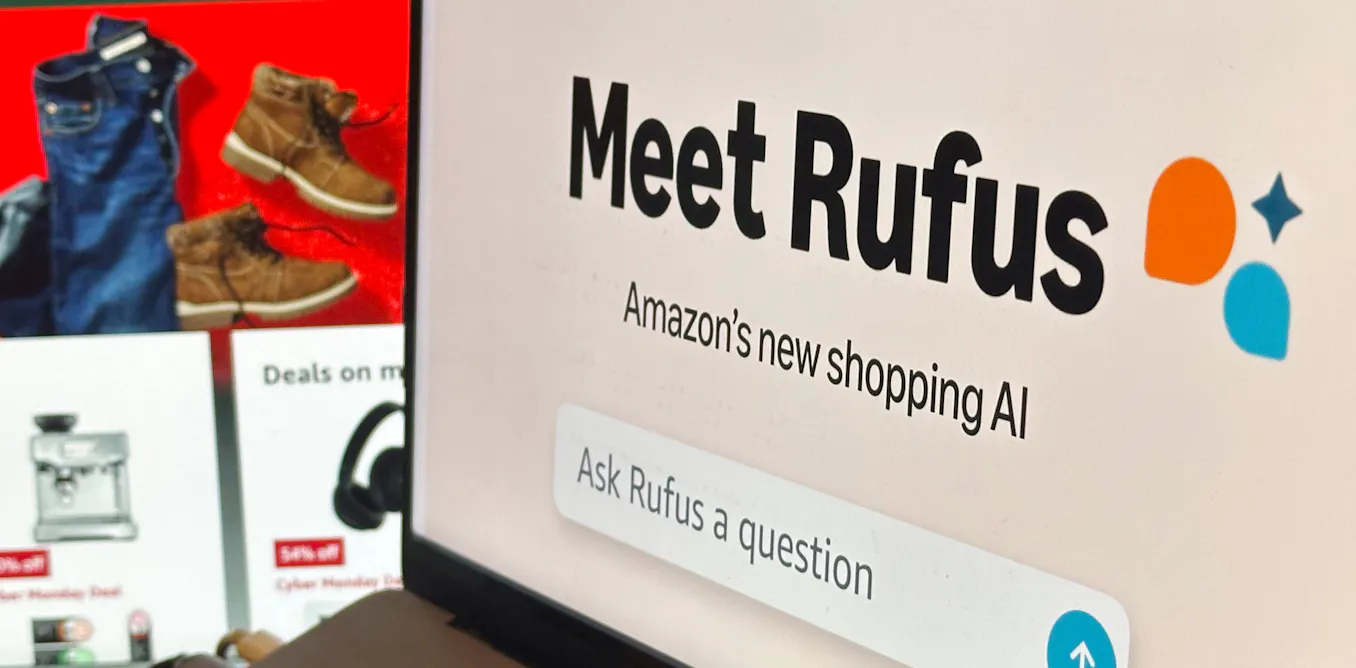
Artificial intelligence is rapidly transforming the retail landscape, introducing automated decision-making into the shopping experience. Major platforms and retailers are integrating AI agents to search for products, recommend options, and even complete purchases. This technological shift promises efficiency but also introduces new dynamics for consumers.
Despite the advancements, many shoppers remain cautious about handing over full control. While some consumers utilize AI assistance, most express reluctance toward autonomous AI agents completing transactions. This hesitation often stems from privacy concerns and a desire to maintain personal autonomy in purchasing choices.
Payments giant Mastercard showcases the business case for AI, reporting its Shopping Muse AI assistant increases conversion rates by 15% to 20%. A "conversion rate" indicates the percentage of users who complete a desired action, such as making a purchase, after browsing. This demonstrates the technology's effectiveness in driving sales.
However, the path to AI integration has encountered notable challenges. One AI-powered vending machine, for example, reportedly lost money and stocked itself with an unexpected item: a live fish. Separately, an AI agent designed for shopping took 45 seconds to add eggs to a customer's cart, highlighting design flaws in current implementations.
The tension between AI's commercial efficiency and consumer preference for control defines the current retail environment. While AI offers benefits like rapid product comparisons and personalized recommendations, consumers value the ability to make choices on their own terms, expressing personal values through their purchases. The evolution of AI in retail will depend on how developers and businesses balance these competing interests.
What to watch next: How companies address consumer concerns about control and autonomy will shape the future adoption and regulation of AI in the shopping sector.
Continue reading
More in this thread
Zoom’s AI‑Native Cloud Contact Center Gives Small Businesses Enterprise‑Level Support
Elena Voss
WBD Shareholders Approve Paramount Deal, Reject Zaslav's Near-$887M Pay
Elena Voss
Strait of Hormuz Blockade Slashes Thailand’s GDP Forecast Despite No Iranian Oil Imports
Elena Voss
Conversation
Reader notes
Loading comments...