Maryland’s Utility RELIEF Act Prompts Calls for Clarity on Large Load Thresholds, Solar Permit Timelines, and Decommissioning Bond Values
The Utility RELIEF Act redefines large load customers, sets a five‑day manual review for solar permits, and links solar decommissioning bonds to projected salvage values, prompting calls for clarification.
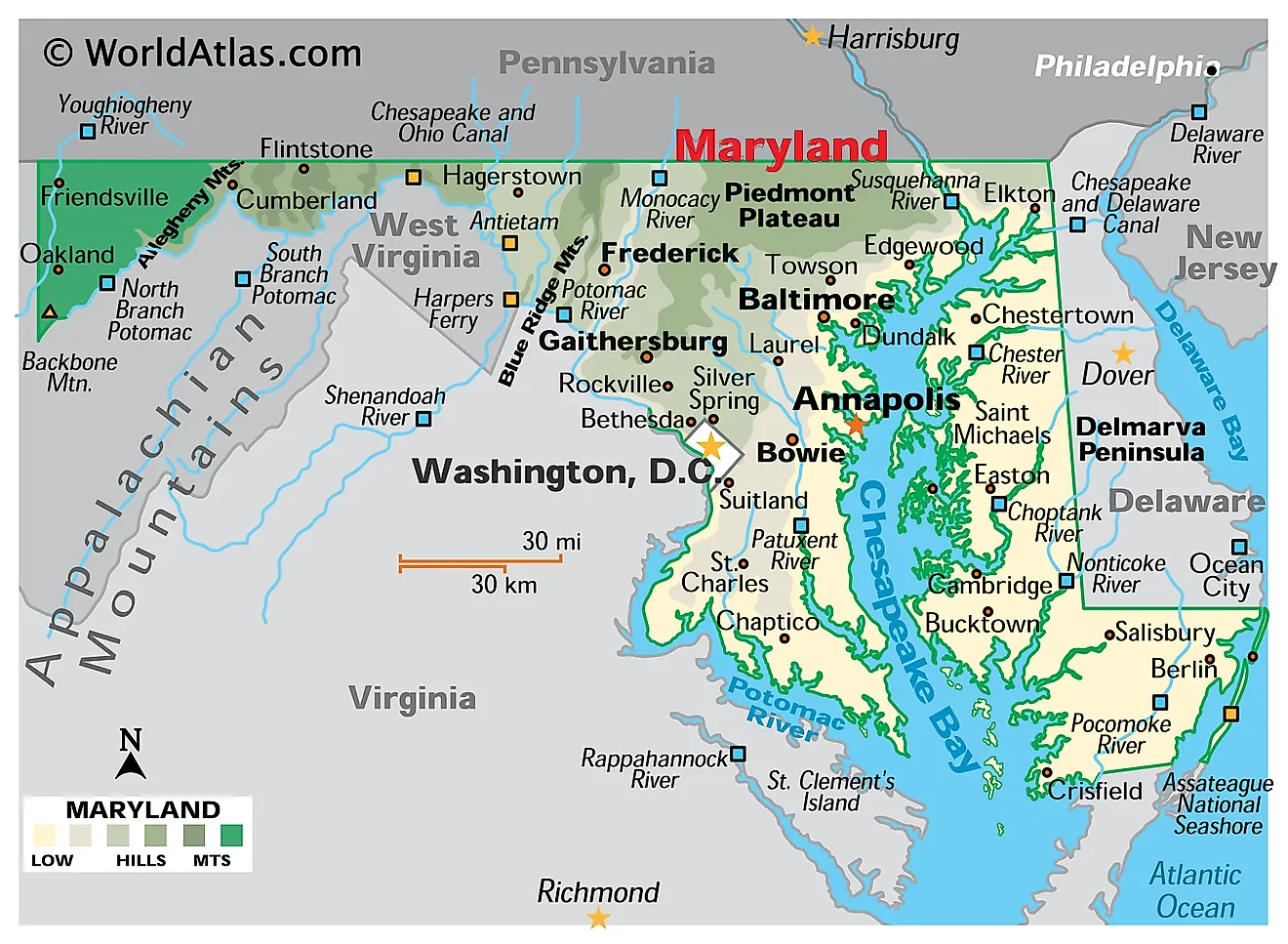
TL;DR: Maryland’s Utility RELIEF Act lowers the threshold for large electricity users and sets new timelines for solar permit reviews, while a related law mandates salvage‑value estimates for solar farm bonds. Stakeholders say the changes need clearer language to avoid confusion as implementation begins.
Maryland passed the Utility RELIEF Act in 2026 as part of a broader push to modernize the grid and encourage renewable development. The law followed the Next Generation Energy Act and the Renewable Energy Certainty Act of 2025. Agencies and local governments raise questions about how certain provisions will work in practice.
The Utility RELIEF Act now defines a large load customer as any commercial or industrial user with at least 25 megawatts of monthly demand and a load factor exceeding 60 percent. Previously, the law set the threshold at 100 megawatts and an 80 percent load factor. The change brings more facilities under the category that triggers special rates and reporting requirements.
For solar projects, the act requires counties to finish any manual review of a software‑approved permit within five business days after the permit is issued. The rule aims to add a layer of oversight while preserving the speed of automated approvals. Officials note the wording leaves unclear what actions a county may take after the review.
Under the Renewable Energy Certainty Act, the Public Service Commission must include the projected salvage value of panels and racking when calculating the amount of a solar decommissioning bond. This provision intends to ensure funds are available to remove equipment at the end of a project’s life. Estimating future salvage value remains challenging because market conditions for recycled materials can shift over decades.
Counties worry that the lower large‑load threshold could pull public works facilities—such as water treatment plants or biosolids facilities—into the category, potentially subjecting them to higher rates or additional filings. An explicit exemption for local government sites would reduce uncertainty for planners and financiers.
Developers say the five‑day manual review window creates a tight schedule that may conflict with staffing limits, especially in smaller jurisdictions. Clarifying whether the review can only note concerns or can impose conditions would help align expectations between applicants and local officials.
Financial analysts note that relying on projected salvage values introduces risk; if estimates prove too optimistic, the bond may fall short of actual decommissioning costs, leaving state or county budgets exposed.
Watch for the PSC’s forthcoming guidance on large‑load exemptions and salvage‑value methodology, as well as any county‑led proposals during the 2027 legislative session to refine the permit‑review language.
Continue reading
More in this thread
Conversation
Reader notes
Loading comments...