Mali’s Junta Blames France for Rebel Surge While Turning to Russia
Mali’s military government blames France for supporting the largest rebel uprising in years while increasing reliance on Russian forces to combat Sahel insurgents.
TL;DR
Mali’s military government accuses France of backing the latest rebel offensive, the biggest of four uprisings since 2012. It says the surge coincides with its turn to Russian forces for security in the Sahel.
Context
Mali declared independence from France in 1960 and has faced recurring insurgencies in its northern deserts. After a 2020 coup, the military junta took power and expelled French troops that had been operating under Operation Barkhane.
The junta then invited Russian private military contractors to assist in combating jihadist groups. Over the past decade, four major rebel coalitions have challenged state authority, each gaining temporary control of towns.
French forces had previously conducted counter‑terrorism missions across the Sahel under Operation Barkhane and earlier Serval. Their withdrawal in 2022 left a security vacuum that various armed groups sought to fill.
Russia’s involvement has grown through the Wagner Group, which provides training, logistics, and combat support to Malian forces. This partnership has drawn criticism from Western governments concerned about human rights abuses and regional destabilization.
Key Facts
The junta’s spokesperson said French intelligence is providing logistical support to the current rebel alliance. This claim emerged after a series of attacks on military outposts in the central region.
The rebel alliance includes fighters linked to al‑Qaeda in the Islamic Maghreb and Tuareg separatists, and it has seized several localities in the central and northern regions. These gains mark the deepest territorial advance by insurgents since 2018.
Officials describe this uprising as the most significant of the four recorded since 2012, noting the scale of coordinated assaults. The junta says the attacks aim to undermine its legitimacy and provoke a foreign intervention.
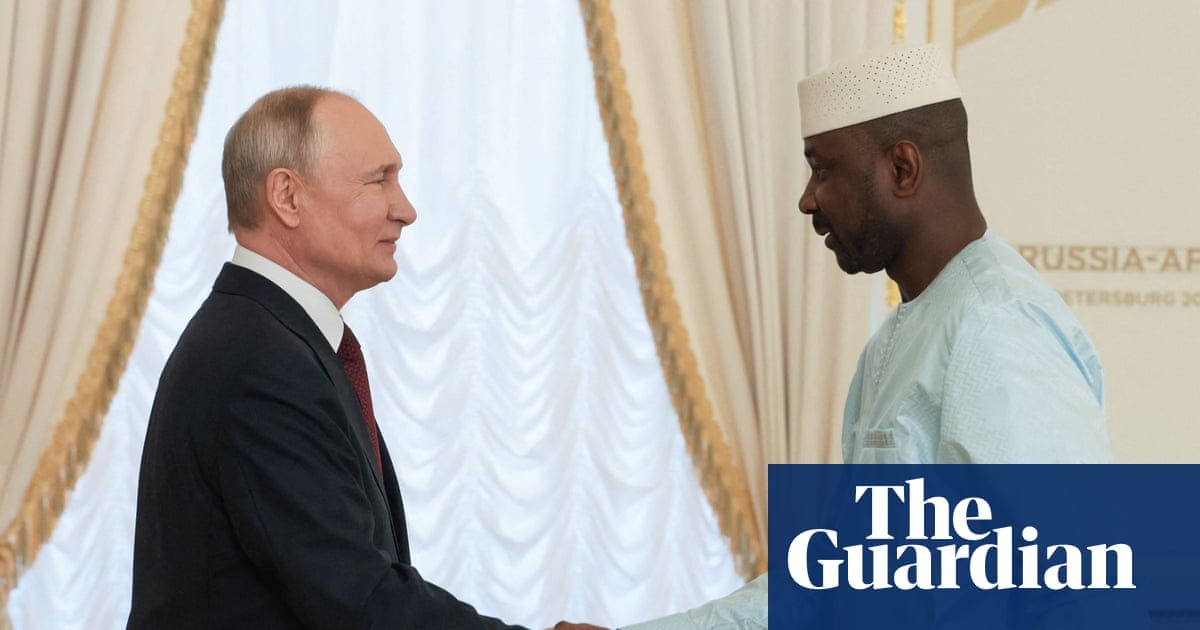
Simultaneously, Mali’s defense ministry confirmed ongoing coordination with Russian forces to conduct joint patrols and airstrikes against insurgent positions. Officials state that Russian air assets have flown sorties over rebel‑held areas in recent weeks.
What It Means
Accusations against France risk deepening the diplomatic rift that began with the withdrawal of French troops in 2022. Continued reliance on Russian security providers may increase Moscow’s influence in Mali’s defense policy and economy.
Analysts will monitor whether Mali seeks mediation from regional bodies such as ECOWAS or the African Union to address the rebel threat. They will also watch for any shift in rebel tactics, including possible negotiations or escalation to larger‑scale offensives.
Observers note that prolonged instability could exacerbate humanitarian conditions, displacing thousands and disrupting aid deliveries. The situation may also affect neighboring states concerned about spillover violence.
Future developments to watch include any peace talks brokered by the UN or regional blocs, and whether Mali diversifies its security partnerships beyond Russia. A shift in either direction could signal how the junta balances external pressures with its grip on power.
Continue reading
More in this thread
Conversation
Reader notes
Loading comments...