Malaysian Army Vehicle Renewal Stalls Amid War Costs, Scandal and Election Countdown
Rising oil prices, a former chief's scandal and an upcoming election are delaying Malaysia's army vehicle procurement, tightening the defence budget.
*TL;DR Vehicle renewal for the Malaysian Army is on hold as war‑driven oil price spikes, a former chief’s legal trouble and a looming election force fiscal caution.
Context The Malaysian Ministry of Defence must replace aging armored fleets, but three converging pressures have frozen decisions. The war in the Middle East has pushed global oil prices higher, while Malaysia’s politically sensitive fuel subsidy keeps domestic fuel costs elevated. At the same time, a criminal case against former Army Chief Gen. Hafizuddeain Jantan has added a layer of political risk, and a general election must be called before February 2028, prompting the government to guard spending.
Key Facts - The Iran‑related conflict has driven oil prices up, and Malaysia’s subsidy on fuel—kept for political stability—means the government absorbs the full price increase. - Former Army Chief Gen. Hafizuddeain Jantan faces criminal charges, creating uncertainty around defence contracts and senior‑level approvals. - A constitutionally mandated election before February 2028 forces the ruling coalition to prioritize short‑term fiscal prudence over long‑term procurement projects.
What It Means With the budget squeezed by higher fuel expenditures, the defence ministry cannot justify large outlays for new vehicles without risking public backlash over subsidy removal. The scandal surrounding the ex‑chief further discourages officials from committing to contracts that could later be scrutinized for irregularities. Meanwhile, the election timeline means any major spend must be defensible to voters, limiting the scope of multi‑year procurement plans.
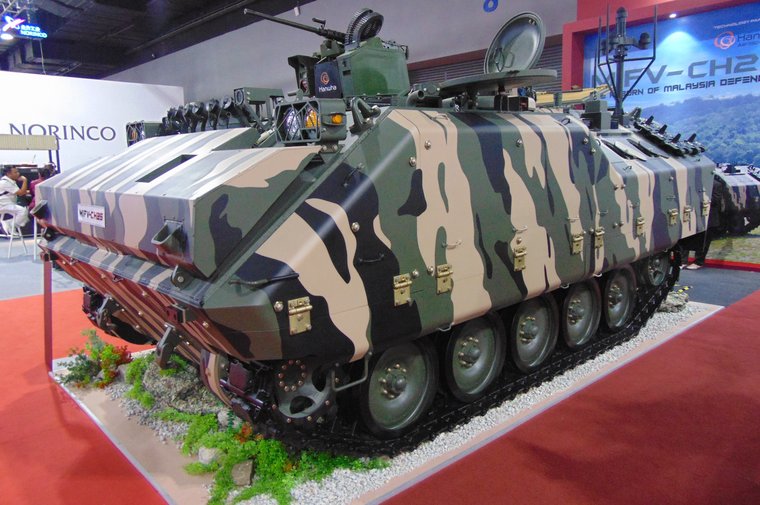
The combined effect is a slowdown in the acquisition of modern armored personnel carriers, infantry fighting vehicles and support trucks. Existing fleets will age beyond optimal service life, potentially reducing operational readiness. Defence industry partners may see delayed orders, affecting local production and maintenance jobs.
Looking Ahead Watch for any policy shift on the fuel subsidy and for parliamentary debates on defence spending as the election draws nearer. A change in government or a resolution of the former chief’s case could reopen the vehicle renewal pipeline.
Continue reading
More in this thread
Conversation
Reader notes
Loading comments...