Malaysia Orders TikTok to Remove Defamatory Royal Content Under 1948 Sedition Law
Malaysia's regulator orders TikTok to delete offensive content about the king, invoking a 1948 sedition law that criminalises royal defamation.
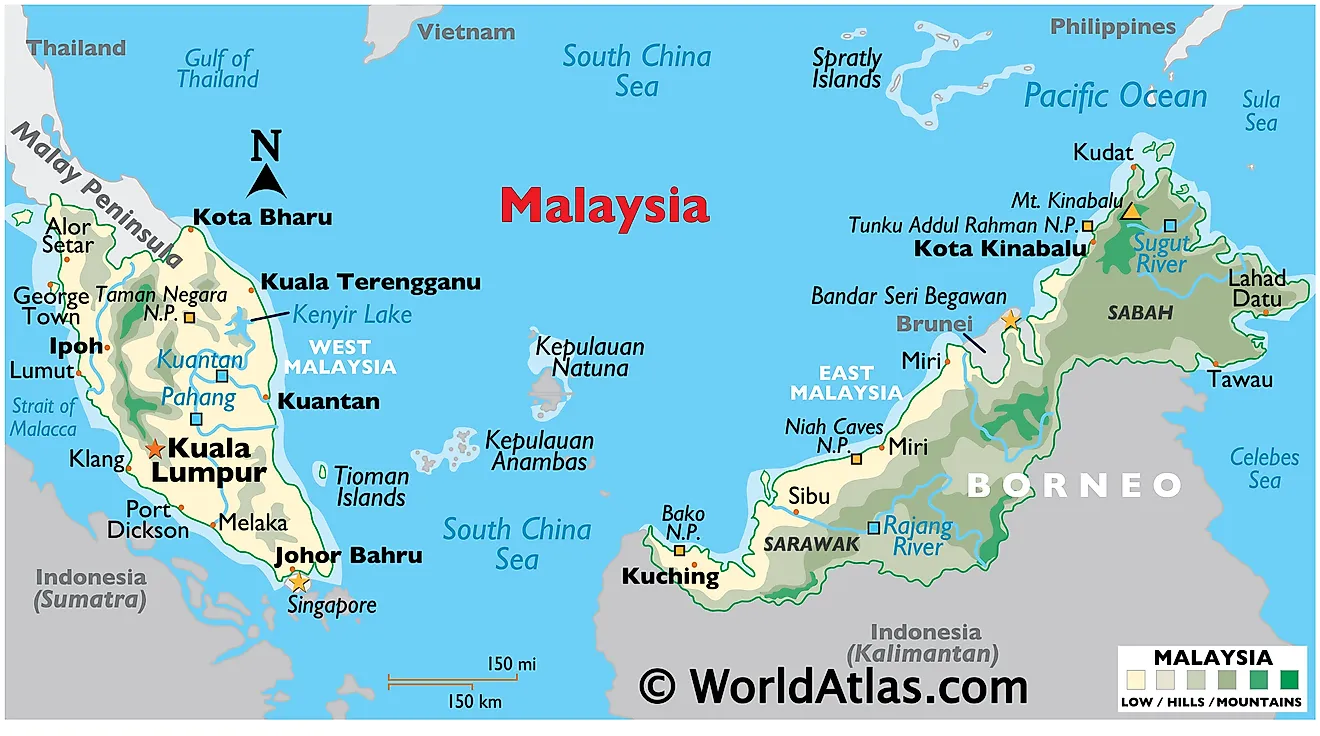
*TL;DR: Malaysia’s communications regulator has ordered TikTok to delete and block defamatory material about King Sultan Ibrahim, citing the 1948 sedition law that criminalises speech insulting the royal family.
Context The Malaysian Communications and Multimedia Commission (MCMC) acts as the nation’s internet watchdog, tasked with ensuring online platforms respect local laws and public order. In recent weeks, the regulator has tightened scrutiny of AI‑generated media and social‑media misuse, reflecting broader regional moves to curb harmful digital content.
Key Facts - MCMC instructed TikTok to take “immediate remedial measures” after an account claimed a link to King Sultan Ibrahim and circulated “grossly offensive, false, menacing and insulting” videos and images, some created with artificial intelligence. - The order requires TikTok to strengthen its moderation policies, block the offending material, and provide a formal explanation for its earlier failure to act. - MCMC pledged to take “firm and proportionate action” to keep digital platforms safe, secure and respectful, emphasizing the seriousness of content that threatens public order. - Malaysia’s sedition law, enacted in 1948, penalises speech that incites hatred or contempt toward the royal family, a provision still used to prosecute online defamation. - The regulator’s demand follows a brief block of the AI assistant Grok earlier this year and precedes upcoming legislation that will ban social‑media use by users under 16.
What It Means TikTok now faces a clear deadline to overhaul its content‑filtering mechanisms in Malaysia, a market where the monarchy holds significant cultural and constitutional influence. Failure to comply could trigger further sanctions, including temporary bans or fines, as MCMC has signalled a willingness to act decisively. The move also signals to other platforms that Malaysia will enforce its historic sedition law against modern digital threats, potentially shaping how AI‑generated media is policed across Southeast Asia.
Looking Ahead Watch for MCMC’s follow‑up report on TikTok’s compliance and any legal actions taken against creators of the offending material, as well as the rollout of the under‑16 social‑media ban later this year.
Continue reading
More in this thread
UK Government Scores Train Operators on Harassment Response, Critics Say Lacks Teeth
Nadia Okafor
Delta Police Arrest Motorcyclist Who Abducted Toddler for 500,000 Naira Ransom, Recover Cash and Pistol
Nadia Okafor
WAEC Committee Reaffirms Confidence in Dangut Amid Union Calls for Dismissal
Nadia Okafor
Conversation
Reader notes
Loading comments...