Malaysia Approves National Carbon Market Policy to Drive Emissions Cuts and Trade Edge
Malaysia's new carbon market policy targets a 56 MtCO₂e cut by 2030 and aims to boost export competitiveness amid global carbon pricing.
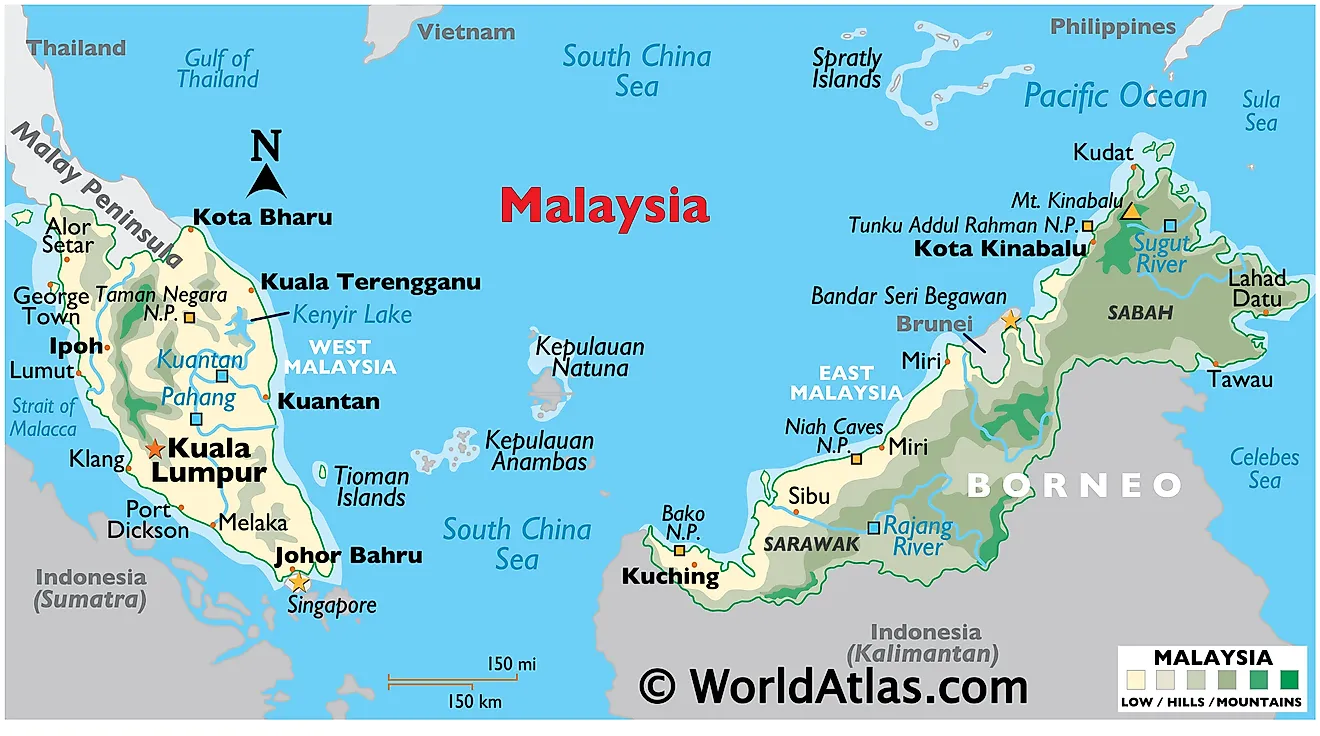
TL;DR: Malaysia’s cabinet approved a national carbon market policy on April 1, 2026, aiming to cut greenhouse‑gas emissions by 56 million tonnes CO₂‑equivalent by 2030 and strengthen the country’s position in carbon‑constrained global trade.
Context Extreme heatwaves across the region have underscored the urgency of climate action. International buyers are increasingly pricing carbon intensity into procurement decisions, exemplified by the European Union’s Carbon Border Adjustment Mechanism, which adds a carbon cost to high‑emission imports such as steel and cement. For Malaysia, whose exports include these commodities, carbon performance now directly affects market access and investor confidence.
Key Facts - On April 1, 2026, Malaysia’s cabinet formally adopted the National Carbon Market Policy (DPKK). The policy treats the carbon market as a strategic necessity rather than an optional tool. - The DPKK establishes a high‑integrity market aligned with Article 6 of the Paris Agreement and the aviation‑focused CORSIA scheme, creates a national carbon registry, and coordinates monitoring, reporting and verification (MRV) to prevent double‑counting of credits. - It also secures trade partnerships through memoranda of understanding with South Korea and Singapore, and lays groundwork for future carbon pricing instruments such as a carbon tax or emissions trading scheme. - Modelling using a marginal abatement cost curve shows Malaysia can reduce emissions by 56 MtCO₂e by 2030. About 70 % of this reduction is achievable through low‑cost measures like energy efficiency; the remaining 30 % depends on higher‑cost technologies such as carbon capture, utilization and storage (CCUS) or battery energy storage systems (BESS), which the market mechanism aims to attract. - The carbon tax slated to start in 2026 will target iron, steel and energy sectors, while the DPKK provides complementary incentives via tradable carbon credits.
What It Means The policy gives Malaysian firms a pathway to finance low‑carbon upgrades and to sell excess credits internationally, turning emissions reductions into a revenue stream. By aligning with global carbon standards, exporters can avoid additional fees under mechanisms like the EU’s CBAM, preserving price competitiveness. The framework also promises new green jobs—carbon auditors, MRV specialists, and project developers—benefiting both urban centers and indigenous communities that steward natural ecosystems.
Looking Ahead Watch for the first issuance of carbon credits under the DPKK and the rollout of the carbon tax, which will reveal how quickly Malaysian industry can adapt to a low‑carbon trade regime.
Continue reading
More in this thread
Conversation
Reader notes
Loading comments...